
















Home Blog

Budget 2023-24: Pakistan Government Unveils New Revenue Measures

Budget 2023-24: Pakistan Government Unveils New Revenue Measures
Source: Global Village

The Pakistani government has recently unveiled new revenue measures amounting to Rs223 billion in its latest budget announcement. These measures are in addition to the taxes introduced in the mini-budget announced in mid-February, which will remain in effect. The government aims to generate over Rs500 billion in additional revenue for the tax year 2023-24 through these measures, which include raising the general sales tax from 17 percent to 18 percent, imposing a 25 percent sales tax on luxury item imports, and increasing taxes on cigarettes and drinks.

Key Highlights

  • The government plans to share the tax details with the International Monetary Fund (IMF) and expects that the Fund will not raise any objections, as all their concerns have been addressed.
  • The government intends to allocate Rs23 billion to industries and individuals under the revenue relief changes announced in the Finance Bill 2023. This relief includes Rs13 billion in customs duty and Rs10 billion in income tax. However, no relief has been announced in sales tax and excise duty.
  • The government is optimistic about achieving a 28 percent higher revenue target for the next fiscal year, based on a projected GDP growth of 3.5 percent, average inflation of 21 percent, and the revenue measures outlined in the budget.
  • To promote various sectors, the budget offers major relief in the IT sector for exports, solarisation, agriculture, and real estate.
BUDGET 2023-24: 'Populist' measures in trying times - Newspaper - DAWN.COM
Source: Dawn

Income Tax

  • The Finance Bill proposes the continuation of the super tax but with fair adjustments for individuals earning over Rs150 million. Three new income levels have been introduced: Rs350 million to Rs400 million, Rs400 million to Rs500 million, and above Rs500 million. These income brackets will be subject to tax rates of 6 percent, 8 percent, and 10 percent, respectively.
  • Other income tax changes include a 0.6 percent withholding tax on citizens not on the Active Taxpayers’ List (ATL) when they withdraw cash exceeding Rs50,000. The withholding tax rates on goods supply, services, and contracts will increase by 1 percent, with exceptions for specific items. Furthermore, a final withholding tax of 10 percent will be charged on bonus shares issued by a company, or 20 percent for non-filers of tax.
  • The Finance Bill also proposes adjustments to the withholding tax rates on payments to non-residents using debit/credit or prepaid cards. Similarly, an adjustable advance tax of Rs200,000 will be charged when issuing a work permit/visa for a foreign domestic helper.

Sales Tax and Excise Duty

  • In terms of sales tax and excise duty, the government has made certain adjustments. Sales tax has been withdrawn on edible products sold in bulk under brand names or trademarks. The tax rate has increased from 12 percent to 15 percent on supplies made by point-of-sale (POS) retailers dealing in leather and textile products.
  • Furthermore, a federal excise duty (FED) has been imposed on energy-inefficient fans and incandescent bulbs at rates of Rs2,000 per fan and 20 percent ad valorem, respectively. The scope of FED on services has been expanded to include royalty and fees for technical services.
  • Sales tax has been exempted for another year ending June 2024 on contraceptives and accessories, plant saplings, combine harvesters, dryers for agricultural products, no-till-direct seeders, planters, trans-planters, other planters, bovine semen, and the import of IT equipment by IT and ITeS exporters registered with the Pakistan Software Export Board.
  • In the federal capital, a 15 percent tax will be charged on electric power transmission services. The rate has been reduced to 15 percent from 16 percent on IT-based system development consultants. A lower rate of 5 percent is proposed for services provided by restaurants and other food outlets if payment is made through debit or credit cards, mobile wallets, or QR scanning.
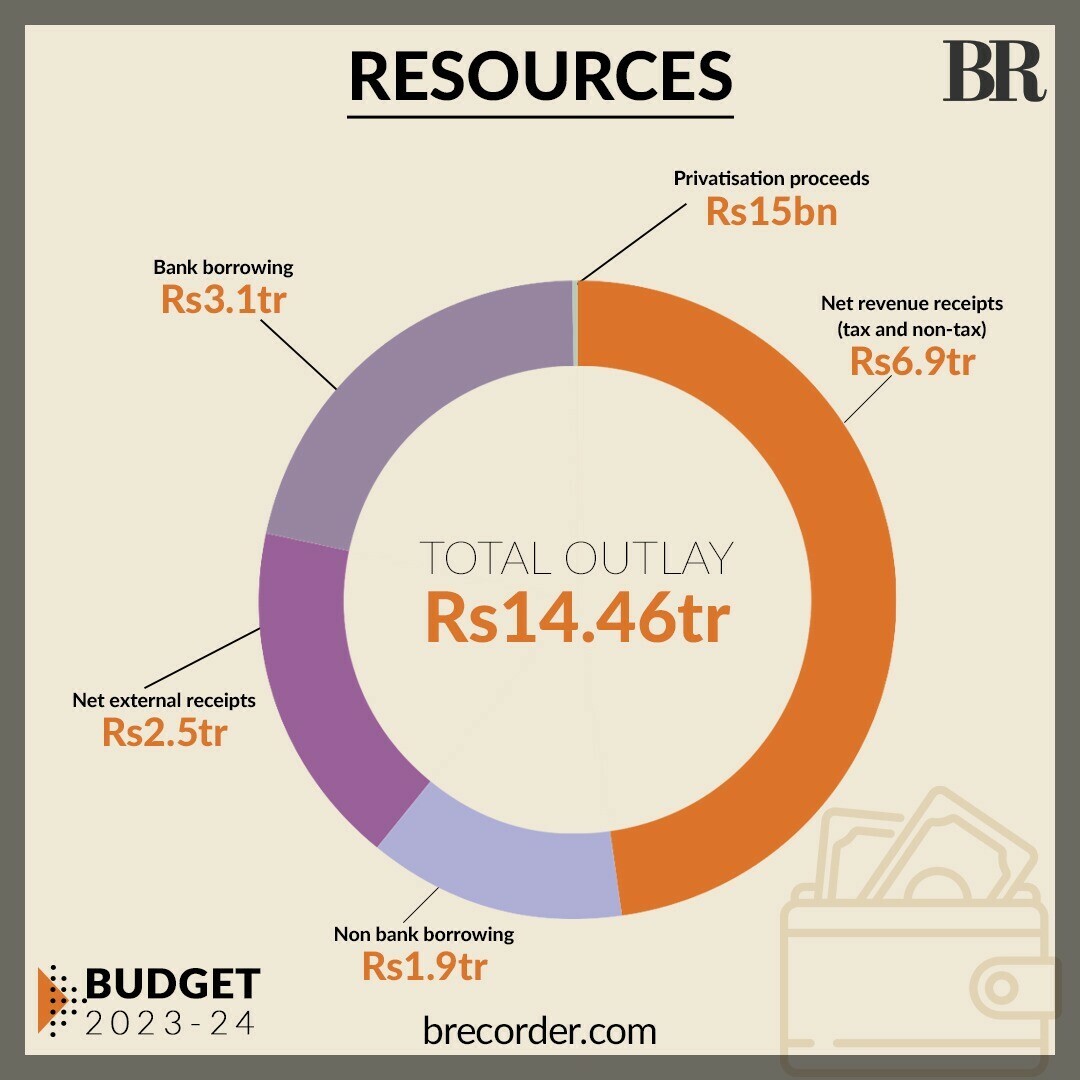
Key highlights of budget 2023-24 - Business & Finance - Business Recorder
Source: Business recorder

The Pakistani government’s new budget is a mixed bag. On the one hand, it raises taxes on a number of goods and services, which will likely lead to higher prices for consumers. On the other hand, it also provides some relief to certain sectors of the economy, such as the IT sector. Overall, the impact of the new budget on the Pakistani economy remains to be seen.

What are your thoughts on this? Let us know in the comments below.

Stay tuned to Brandsynario for the latest new and updates.

Sindh Government Announces Shift To Solar Power For Major Hospitals

Sindh Government Announces Shift To Solar Power For Major Hospitals
Source: PakTV

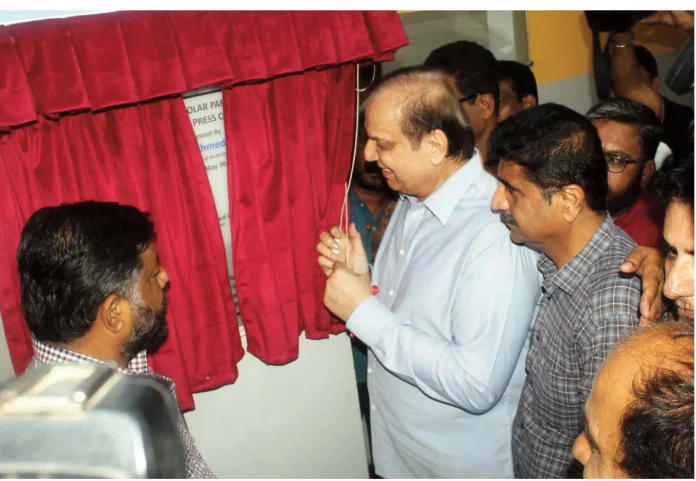
The Sindh government has taken a significant step towards sustainability by announcing plans to shift major hospitals in the province to solar power. This initiative is part of the government’s larger solar power plan, aimed at reducing dependence on traditional energy sources and promoting clean, renewable energy solutions. The announcement was made by the Provincial Minister of Sindh for Energy, Imtiaz Ahmed Sheikh, during the inauguration of a solar power park in the Karachi press club.

The logistics of the plan

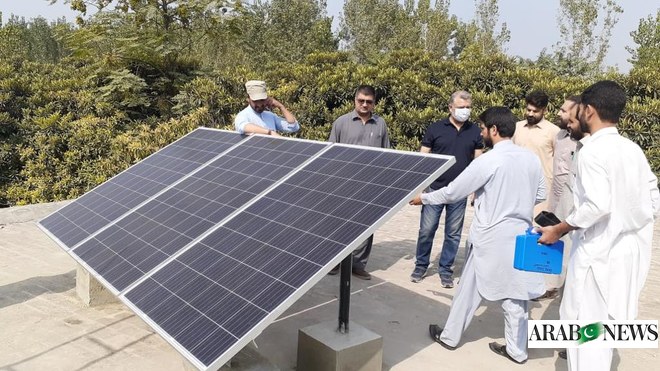
The solar power park, with a capacity of 60KV, will play a crucial role in meeting 90 percent of the press club’s power needs. This is a significant milestone in the government’s efforts to harness the power of the sun and provide sustainable energy solutions. Minister Sheikh also highlighted that government buildings, prisons, and schools will be included in the solar power plan, with the aim of ending electricity load shedding in the province.

Sindh govt announces to shift govt offices to solar power - Pakistan Observer
Source: Pak Observer

The minister emphasized that the government’s objective is to address the economic crisis and uplift the country. By investing in solar power, the government hopes to create a more sustainable and self-reliant energy sector. Minister Sheikh took the opportunity to criticize the PTI government, accusing them of hindering power projects in Sindh. He expressed confidence that the PPP (Pakistan People’s Party) will secure victory in the upcoming elections, highlighting their commitment to promoting renewable energy and sustainable development.

Provincial and Federal agenda aligning

This announcement from the Sindh government aligns with the federal government’s efforts to embrace solar power. Earlier, Prime Minister Shehbaz Sharif directed the conversion of all federal government buildings in Islamabad to solar power within a strict timeframe of seven weeks. This directive showcases the government’s determination to reduce the country’s reliance on imported fuel and embrace renewable energy sources. The prime minister also instructed officials to initiate solarization projects in other parts of the country, extending the benefits of solar power to various regions.

With solar mosques and schools, Pakistan's northwestern province pushes clean energy | Arab News PK
Source: Arab News

The shift to solar power for major hospitals is a commendable move by the Sindh government. Solar energy offers a clean and sustainable alternative to traditional power sources, reducing carbon emissions and promoting environmental preservation. By embracing solar power, hospitals can ensure a reliable and uninterrupted energy supply, leading to improved healthcare services. Moreover, the initiative to expand solar power to government buildings, prisons, and schools will have a significant impact on reducing electricity load shedding and enhancing energy efficiency in the province.

The Sindh government’s commitment to renewable energy is a step in the right direction, contributing to the overall development and sustainability of the province. It sets an example for other regions and institutions to follow, encouraging the adoption of clean energy solutions and reducing dependence on fossil fuels. With continued efforts and investments in solar power, Pakistan can pave the way towards a greener and more sustainable future.

Stay tuned to Brandsynario for the latest news and updates.

The Untapped Potential Of Women In Pakistan

Pakistan has a lot of potential for growth but undeniably, one of the biggest untapped resource is its significant female population that still awaits inclusion in the national economy. As per the World Economic Forum’s 2021 Global Gender Gap Report, Pakistan ranked 153rd out of 156 countries, which indicates massive strides the country needs to take to ensure gender diversity and inclusion of women in its socioeconomic mainstream.

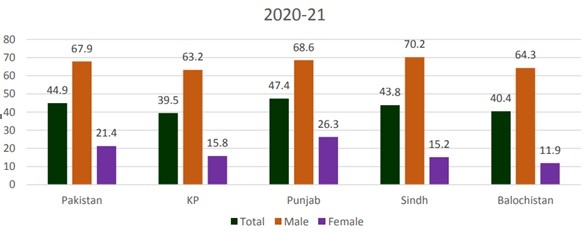
Source: Pakistan Labour Force Survey 2020-21

As per the last published Pakistan Labour Force Survey 2020-21, numbers show stark disparities along gender lines. Women’s participation in the national labor force is most concerning being 21.4 per cent of the country’s working-age population, as against the male labour force marked at 67.9 percent.
We interviewed Rabel Sadozai, the newly appointed Director Marketing and Sales at Fatima Fertilizer and the first female to hold such a prominent position in Pakistan’s agriculture and fertilizer sector, to discuss the potential role of Pakistani women to promote the country’s socio-economic prosperity and what it will take towards its realization.

B: How important is it to be recognized as the first woman in Pakistan’s agriculture sector to hold a senior-level management position?

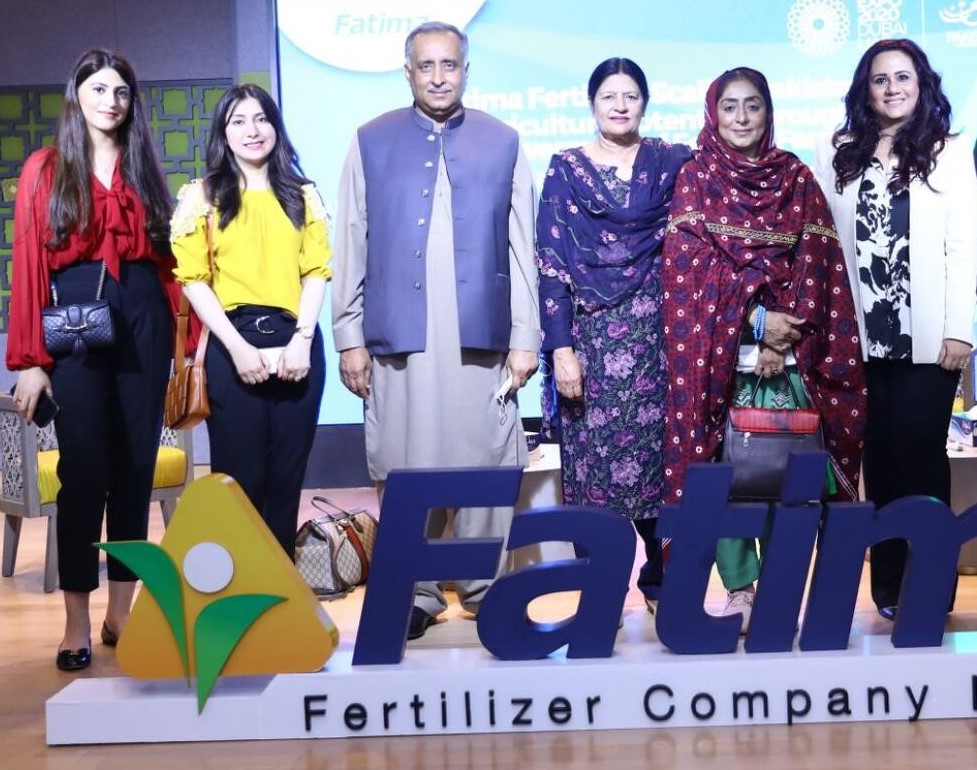
RS: I consider this recognition as a true representation of millions of empowered women, directly or indirectly associated with the agriculture sector of Pakistan. It gives me the opportunity to use my influence for the betterment of farmers in general and female farmers in particular. A recent example of this commitment was marked by Sarsabz – the flagship brand of Fatima Fertilizer, hosting a special panel discussion at the Pakistan Pavilion in Dubai Expo 2020 to celebrate our three exceptionally inspiring female farmers and share their inspirational stories with the World.


The guest panelists included Rabia Sultan – progressive farmer from Muzaffargarh who defied all odds in a male-dominated profession, Nazo Darejo – a brave woman from Sindh who sacrificed a great deal to protect the piece of land she called home and whose inspirational story was highlighted by Sarsabz through a special web series called ‘Kissan Kahani’ to a wide online audience, and Azra Mehmood Sheikh – a progressive farmer from Bahawalpur who actively advocates about the hardships faced by farmers in South Punjab.

Being able to introduce Kissan Day to Pakistan is something that I will always be proud of, as it was not only recognized by the country and its industry stakeholders, but it has also become an annual event to be celebrated on December 18. The campaign was so influential that it was selected by Kotler as a case study in Essentials of Modern Marketing – Pakistan Edition.

B: Tell us about your journey of nine years at Fatima Fertilizer and your key accomplishments related to marketing communications?

RS: I was able to achieve a number of goals during my nine years at Fatima Fertilizer, and I took on as many marketing communication challenges as I could, but being able to introduce Kissan Day to Pakistan is something that I will always be proud of, as it was not only recognized by the country and its industry stakeholders, but it has also become an annual event to be celebrated on December 18. The campaign was so influential that it was selected by Kotler as a case study in Essentials of Modern Marketing – Pakistan Edition.


Over the years, I’ve used data to establish how Fatima Fertilizer’s products are giving on average 10% greater yields as compared to conventional fertilizer. This brand promise has been purposely communicated in such a manner that it shows how a farmer can create a better life for himself and his family that leads to prosperity of the village and eventually impacts Pakistan’s GDP as agriculture contributes on average 22-25%.
We also launched true farmer stories under Kissan Kahani to help educate our stakeholders on the impactful role our farmers are playing in helping sustain Pakistan’s food security.
Overall, our efforts have been duly recognized not only by local platforms such as the Pakistan Digital Awards but also the global ones including MARCOM, AVA, and Effies.

B: In your opinion, what factors are responsible for the under-representation of women within the corporate and civil sectors of Pakistan?

RS: Women may be under-represented in these sectors but not in the agriculture sector. Women are extremely empowered on the rural side to help not just with domestic housework but field work and livestock farming as well. I feel it is my responsibility to clarify this common misconception. As far as corporate and civil sectors are concerned, I feel women are deprived of an environment that helps them balance work and home responsibilities efficiently. The key to my success was not only my ability to effectively manage the roles of a team leader, manager, wife, mother, and so on, but the fact that I was given an environment where I was empowered to manage and balance these roles. Employers whether government or private need to realize that the needs of women are different from men. We need policies and benefits that match their circumstances. For example, women need to feel secure while stepping out of their homes for work, they need to be given daycare facilities or an equivalent allowance to manage it, maternity leaves and so on. According to recent studies, the gender-wage gap in Pakistan has reached 55.6 percent, which is concerning, to say the least, because a woman has to weigh the benefits of her working against the associated costs.

B: How many Pakistani women are currently engaged in Pakistan’s agriculture sector and how can they claim more important roles within this industry?

RS: Currently, more than 22 million women work in the agriculture sector and contribute to the advancement of this sector. As per an earlier issued report by UN Women titled “Rural Women in Pakistan-Status Report 2018”, agriculture is the main labour activity of rural women with approximately 75 percent of women employed in the agriculture sector. The empowerment of these rural women and the realization of their human rights, in addition to their important role in nation-building, is essential for achieving the Sustainable Development Goal (SDG) related to gender equality.
Women need education foremost followed by skill-set enhancement. Companies like ours work with a lot of progressive females and seek to empower them by giving them an opportunity to project their work. For example, we recently helped Ms. Jugno Mohsin, a female farmer who worked to revive a dying breed of local cotton called ‘Khaki Desan’, by providing her with the technical knowledge and giving her the opportunity to create a fabric from this cotton which can be marketed to a global audience.

B: How important is women’s participation to achieve overall economic growth and prosperity for the country?

RS: I think our founding father, Quaid-e-Azam made it clear that women had to work side by side with men if we are to transform Pakistan into a strong and prospering nation. Now whether we do it starting from our homes, schools, offices or factories is dependent on a mix of our own capabilities and opportunities available to us. Women are almost 50% of Pakistan’s population, so there is no question that a big responsibility rests on our shoulders to help develop our home i.e. Pakistan, and I believe being aware of this responsibility is the first step we need to take.

Coronavirus Outbreak Live Updates: Here’s All You Need To Know!

Source: Valley Morning Star

Update: 3rd April 2020

Philippine President Rodrigo Duterte has given out a warning that he would order the country’s police and military to shoot anyone who would violate the laws during a month-long lockdown of the island of Luzon, to contain the spread of the novel coronavirus.

Here’s what he said addressing to the nation late at night, on Wednesday.

Let this be a warning to all. Follow the government at this time because it is critical that we have order,”


The coronavirus pandemic has affected the world in the worst possible manner. As it is spreading rapidly throughout the globe, the economy, the events industry, airlines and tourism have taken a huge hit!

With thousands of people affected and killed by this horrifying disease, this doesn’t seem to end anytime soon. However, countries worldwide are taking strict actions against this deadly.

Meanwhile, here’s all you need to know about what’s going around in the world in regards to coronavirus aka COVID-19.

Fashion Pakistan Council Postpones Annual Fashion Paksitan Week

PSL 2020: Foreign Players Allowed to Return Home Over Coronavirus Fears!

How Do I Self Quarantine If I Have Coronavirus

These 18 Hospitals In Pakistan Are Offering Tests For Coronavirus!

Coronavirus: KFC Removes ‘Finger Lickin’ Good’ Ad Amid Growing Panic

How to Disinfect your Car & Personal Space from COVID-19!


Aamir Ibrahim | CEO Jazz | Brandsynario CEO Stories

Whilst we are successful, we are only as good as our next game- so we can not never be complacent. Aamir Ibrahim, CEO Jazz talks to us about the office culture, success stories, diversity and practices at Jazz while on an office tour at the Headquarters in Islamabad. #jazz #ceo #ceostories

Mamya Shajaffar Reveals The Truth About Arslan Khan’s Behaviour On Set

Mamya Shajaffar Reveals The Truth About Arslan Khan’s Behaviour

Pakistani actress Mamya Shajaffar recently made headlines after a clip from her interview started circulating widely on social media. During the conversation, Mamya spoke about an uncomfortable experience she faced with a young actor while working on a project together. Her statements immediately caught public attention and led to heavy speculation online.

Mamya revealed that the actor approached her after seeing her social media profile and mistakenly assumed that she would be “very approachable.” She further shared that the individual became upset when she refused to let him get physically close to her on set. According to the actress, the actor also used abusive language when she maintained professional boundaries and refused unnecessary interaction.

Social Media Assumed She Was Referring To Arslan Khan

As the interview clip went viral, many internet users began assuming that Mamya Shajaffar was talking about actor Arslan Khan. The speculation mainly started because the two actors had previously worked together in the drama College Gate. Several social media pages and online users connected Arslan Khan’s name to the controversy without any official confirmation from Mamya herself.

The matter gained even more attention because Arslan Khan is also known as the husband of actress Hira Khan. Soon after, criticism and discussions about the actor began spreading rapidly across different platforms.

Watch here:


View this post on Instagram


A post shared by Quirkisstan (@quirkisstan)

Mamya Shajaffar Clarifies The Viral Misunderstanding

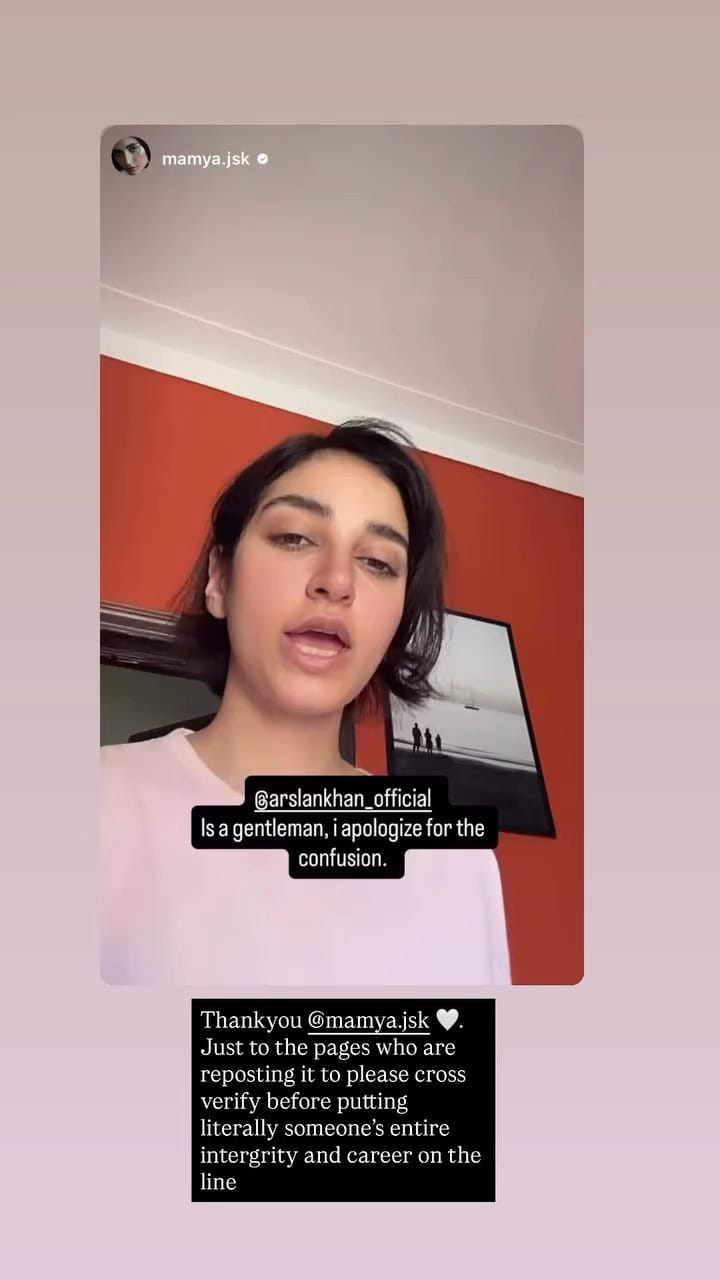
After seeing the growing confusion online, Mamya Shajaffar decided to address the situation publicly. The actress clarified that Arslan Khan was not the person she had referred to in the viral clip. She explained that the actor involved was someone else entirely and requested people not to spread false assumptions.

Her clarification quickly changed the direction of the discussion and helped clear Arslan Khan’s name from the controversy. Many fans appreciated Mamya for speaking up and correcting the misunderstanding before it caused further damage.

Mamya Jaffer
Mamya Jaffer

Arslan Khan Responds To The Controversy

Following Mamya’s clarification, Arslan Khan also shared his response regarding the matter. The actor thanked Mamya for making the truth clear and requested social media users to be more responsible while sharing reports and opinions online.

He stated that careless assumptions and misleading headlines can seriously affect a person’s reputation and hard work. His calm response received support from fans who praised the actor for handling the situation maturely.

The entire incident once again highlighted how quickly misinformation can spread online. It also sparked conversations about maintaining professional boundaries in the entertainment industry and the importance of verifying facts before targeting individuals on social media.

Stay tuned to Brandsynario for latest news and updates

Did Sara Aapi Really Need This Star Plus Style Ending?

Did Sara Aapi Really Need This Star Plus Style Ending?
Did Sara Aapi Really Need This Star Plus-Style Ending?

The last episode of Sara Aapi left viewers shocked and heartbroken, ending on a deeply tragic note. The finale aired on Geo Entertainment and featured the unexpected death of Sara Aapi and her fiancé, Kamaal, played by Shahood Alvi, in a devastating car accident.

Fans who had followed the drama for months were expecting an emotional but happy conclusion. Instead, the sudden tragedy completely changed the mood of the finale and sparked widespread online criticism. Many viewers expressed disappointment over the ending, saying the makers ruined a beautiful story with unnecessary heartbreak.

Indian-Inspired Scene 

While the entire family waited excitedly for Sara Aapi to return home so they could celebrate the happiest day of their lives, Burhan was busy hanging a family picture on the wall. Suddenly, in a dramatic twist, the photo frame slipped from his hands and shattered on the floor, almost like a bad omen straight out of an Indian soap opera.

A strange silence filled the house, but before anyone could understand what had happened, heartbreaking news arrived, Sara Aapi and her fiancé had met with a tragic accident on their way home.

Moments later, instead of welcoming them with celebrations, the family was left devastated as their dead bodies were brought home. Fans heavily criticised the ending, calling it overly “Starplus-inspired” because of the exaggerated symbolism and sudden tragic climax.

Fans Compare the Ending to Star Plus Dramas

Social media quickly filled with reactions from upset viewers who compared the finale to dramatic Indian soap opera endings. One fan wrote, “Is dramay ka director bhi Star Plus dekhta hoga bachpan mai.” Another frustrated viewer commented, “Uff ye kia kia writer ne? Why did they show Sara Aapi’s death? They could have shown her wedding instead.”

The emotional backlash continued as audiences questioned why the writers chose tragedy over closure and happiness. Many fans believed Sara Aapi deserved a peaceful ending after facing countless struggles throughout the drama.

@harpalgeo Burhan and Adnan received Sara but in a totally different way. #whattowatch #GeoTV #foryoupage #saverandeem #khaqanshahnawaz #adeelchaudhry #samikhan #nimrakhan #sidraniazi ♬ original sound – Har Pal Geo – Geo TV

Viewers Wanted Happiness for Sara Aapi

Throughout its run, Sara Aapi built a loyal fanbase because of its emotional storytelling and relatable characters. Viewers became deeply attached to Sara Aapi’s journey and rooted for her happiness until the very end.

Fans especially loved the bond between Sara Aapi and Kamaal, making their tragic deaths even harder to accept. Many argued that the drama could have ended with a wedding celebration instead of a heartbreaking accident.

Social Media Continues to Criticize the Finale

Another viewer wrote, “Geo TV doesn’t know how to end its dramas.” Similar reactions flooded social media platforms as disappointed fans shared clips and emotional posts about the finale.

While the performances were praised, viewers strongly criticised the writers for choosing a tragic ending that many felt was forced and unnecessary. Despite the backlash, the finale has become one of the most talked-about Pakistani drama endings in recent weeks.

Furniture Stores in Mumbai vs Furniture Stores in Delhi: A Guide to Shopping in Two Major Cities

Furniture Stores in Mumbai vs Furniture Stores in Delhi

Nobody warns you about furniture shopping.

One Saturday morning, you decide to buy a dining table. By afternoon, you are sitting in the fifth store, eating something from a street stall outside, questioning every decision you made that day. Both Mumbai and Delhi will do this to you. Both cities are massive. The options are endless. And most people have no idea where to even begin.

This guide will save you that Saturday.

Mumbai – Big City, Small Homes

Space is everything in Mumbai. Most homes here are compact. A giant wardrobe that looks stunning in the showroom will eat up half your bedroom. Keep that in mind before you fall in love with anything.

Furniture stores in Mumbai are spread across the city, but a few types of areas are worth knowing about.

Wholesale markets are your best bet if budget is a priority. These are usually older parts of the city: narrow lanes, shops stacked next to each other, and prices that actually make sense. Nobody has a fixed rate here. Walk around, compare shops, and then negotiate. Do not go on a Sunday unless crowds do not bother you.

Premium showroom areas feel like a different city altogether. Big stores, air conditioning, and designs that look straight out of a catalogue. Prices are higher and mostly fixed. But if quality matters more than cost, these areas are worth your time.

Suburban furniture markets sit nicely in the middle. Not too expensive, not too basic. Good for families who want decent quality without stretching the budget too far. The newer suburban areas, especially, have seen a lot of furniture stores open up over the last few years. They are less crowded and easier to get around.

One thing Mumbai will not forgive you for is not measuring your doorway before buying. The sofa looked perfect in the store. It did not fit through the door. This happens more than you think.

Humidity is another thing to watch. Mumbai is harsh on untreated wood. Always ask if the furniture has been treated before buying anything wooden.

Delhi – More Space, More Options, More Everything

There are a variety of furniture stores in Delhi because the city doesn’t do anything small.

The roads are wider. The homes are bigger. And the furniture markets are on a completely different scale compared to Mumbai. First-time visitors to Delhi’s furniture markets often feel overwhelmed. That feeling is normal. Give yourself time.

Wholesale furniture districts in Delhi are where most people start, and many people finish. These are among the largest furniture markets in the country. Wholesale suppliers, finished furniture, custom work, raw material; everything is available. Spend a full day if you can. Walk every lane before you start buying. Prices are negotiable, and the competition between shops works in your favour.

Designer and boutique store areas are for buyers who want something more curated. These are not bargaining markets. The stores here focus more on design and finish. If you want furniture that looks considered and unique, these neighbourhoods are worth exploring.

Home décor markets lean more towards accessories, but have enough furniture shops mixed in to make it worthwhile. Good for smaller pieces and accent furniture.

Custom carpentry in Delhi is genuinely excellent. If you cannot find exactly what you want ready-made, getting it built is easy, fast, and surprisingly affordable. This is one area where Delhi has a clear edge over Mumbai.

A Few Things Worth Remembering

These few things apply whether you are visiting furniture stores in Mumbai or furniture stores in Delhi.

  • Write down your room measurements before leaving home. Not in your head. On your phone.
  • Ask what material the furniture is made from. Solid wood and MDF are not the same thing.
  • Confirm if delivery and assembly are included. Never assume.
  • Visit at least three stores before deciding anything.
  • If your timeline is flexible, wait for the festive season sales. The discounts are genuine.

Final Word

Mumbai shopping is more focused and easier to cover in a day. Good options at every price point.

Delhi shopping is bigger in every way. More variety, better scope for negotiation, and custom work that is hard to beat.

But here is the truth: the city matters less than your preparation. Know what you need. Know your budget. Measure your space. And do not let any salesperson rush you.

Good furniture lasts for years. A few extra hours of shopping are worth it.

Stay tuned to Brandsynario for latest news and updates

Why AI Is Making Human Judgment More Valuable

AI Is Making Human Judgment

By Sajida Bandukwala, Head of Marketing, Innovation & AI Governance

AI was supposed to make content creation easier. In many ways, it has.

Campaigns that once took days can now be produced in minutes. Images, videos, and social content are generated at unprecedented speed. Marketing teams are creating more than ever before, and audiences are consuming it just as quickly.

But something else happened alongside that efficiency. The faster content became to create, the harder it became to trust. And that shift introduced a new kind of work that many organizations underestimated entirely: verification, oversight, and contextual judgment.

In other words, AI did not remove the human layer. It made the human layer more important.

The internet is flooded with content

The internet has always rewarded attention, but AI has accelerated the pace dramatically. Content that once required planning and production can now be generated instantly.

As a result, feeds are increasingly filled with emotionally optimized content engineered to stop people from scrolling. Much of it sounds absurd when described out loud, yet millions engage with it because it understands one thing extremely well: attention.

At the same time, audience behavior is changing.

Long-form content is skipped more quickly. Highly polished content is viewed with skepticism simply because audiences assume AI was involved in creating it.

That creates a strange paradox for marketers: content has become easier to produce, but harder to make believable.

The credibility crisis is bigger than deepfakes

Much of the AI conversation focuses on deepfakes. The bigger issue is broader: audiences are beginning to question everything.

Eventually, every piece of content faces the same question:

Is this even real?

That is a serious problem for marketing because trust has always been the foundation of communication.

The challenge is made worse by how AI systems are designed. Large language models are optimized to generate plausible responses, not necessarily accurate ones. In practice, AI is often more eager to satisfy than to challenge.


That makes human judgment critical.

Verification is becoming a competitive advantage

One of the biggest misconceptions about AI is that it automatically reduces workload. In reality, responsible AI use introduces a completely new operational layer.

Content needs verification. Visuals need review. Context matters more. Governance and editorial accountability become essential rather than optional.

The organizations struggling most with AI are often not the ones lacking tools. They are the ones lacking review structures. Because speed without judgment does not create quality. It creates noise.

This is also changing the role of marketing itself.

Marketing teams are no longer just competing for visibility. They are becoming trust managers. At JBS, we see AI as a tool to support marketing, not replace the thinking behind it. It helps teams move faster and scale production, but human judgment remains central to the process. Every piece of communication still requires context, verification, and a clear understanding of audience trust.

Because in an environment flooded with synthetic media, authenticity becomes more than brand value. It becomes a competitive advantage.

What happens next

AI-generated content is not going away. If anything, it will become more convincing, personalized, and difficult to detect.

But audiences need to evolve too.

Novelty will eventually fade, platforms will change and consumer behavior will keep shifting. We have seen this cycle repeatedly across the internet. What tends to survive long-term is trust, not hype.

The brands that will succeed in the next phase of the internet will not simply be the fastest content producers, rather ones that are capable of balancing automation with authenticity.

In the age of AI, credibility may become the most valuable marketing asset of all.

Stay tuned to Brandsynario for latest news and updates

King Charles Falsely Declared Dead in UK Radio Station Mix Up

King Charles III Falsely Declared Dead

Radio Caroline, a UK-based radio station, shocked listeners after wrongly announcing that King Charles III had died during a live broadcast. The news spread quickly, but it was later confirmed to be completely false.

The mistake happened on May 19 when the station suddenly stopped its normal programming. The host told listeners that the station was going off air “as a mark of respect following the passing of His Majesty King Charles III.” The announcement also claimed that the news was confirmed by media reports.

After that, the station played God Save the King and then went silent for about 15 minutes. This made many listeners believe that the King had actually passed away.

Soon after, Radio Caroline realised there was a major error, as station manager Peter Moore later explained in an apology that a computer glitch wrongly triggered a special emergency broadcast system. This system, however, is normally used for official announcements in case of a monarch’s death.

He said that when the station went silent, the team understood something was wrong and quickly restored the broadcast. They then issued a correction and a public apology on air.

Moore also said sorry to King Charles and listeners, adding that the mistake may have caused unnecessary worry and confusion.

Many listeners reacted online, saying that they were relieved after finding out that the news was false.

It is confirmed that King Charles is alive and continuing his royal duties as he was recently seen visiting Northern Ireland with Queen Camilla after attending the Royal Chelsea Flower Show.

Stay tuned to Brandsynario for latest news and updates 

Ofcom Says TikTok and YouTube Fail to Protect Children Online

Ofcom social media regulation, Ofcom online safety act, Ofcom TikTok YouTube
Ofcom Warns TikTok and YouTube Feeds Are "Not Safe Enough" for Children

Britain’s media regulatory authority has issued a sharp warning to TikTok and YouTube, stating that both platforms continue to fail to adequately protect children from harmful online content.

The latest report from Ofcom accused the two tech giants of ignoring demands for stronger safeguards around recommendation algorithms and underage access. Despite mounting pressure, neither platform committed to major structural changes before the regulator’s deadline.

The findings have once again sparked the debate around social media safety, addictive algorithms, and whether governments should work to ban under-16s from certain apps entirely.

Why Ofcom Is Concerned About TikTok and YouTube

According to Ofcom, personalised feeds remain the biggest reason children encounter harmful material online.

The regulator’s latest research revealed alarming numbers:

  • 70% of children aged 11-17 reported seeing harmful content online
  • 84% of children aged 8-12 use apps officially restricted to users over 13
  • Personalised recommendation feeds remain the primary source of exposure
  • Most children do not report harmful content to adults

The report specifically criticised TikTok and YouTube for insisting their current systems are already safe enough for younger users. However, Ofcom said its own evidence strongly contradicts those claims.

Dame Melanie Dawes, chief executive of Ofcom, said: “More change is needed, and we remain deeply concerned that, despite overwhelming evidence of harm, companies are still failing to take the necessary action.”

ofcom-tiktok-youtube-chief-executive
Ofcom Chief Executive, Dame Melanie Dawes

TikTok and YouTube Defend Their Platforms

TikTok responded by calling the report “very disappointing.” The company argued that regulators ignored several existing safety tools already built into the app. These include preset private accounts for teenagers, restrictions on direct messaging for users under 16, and upgraded age-assurance technology.

Meanwhile, YouTube defended its child-focused features, including YouTube Kids, parental controls, and short-form video timers designed to reduce endless scrolling.

A YouTube spokesperson said the platform provides “industry-leading, age-appropriate, high-quality experiences for young viewers.” However, Ofcom refuses to relent, stating that the measures remain unsatisfactory.

Rival Platforms Agree to Tougher Safety Measures

While TikTok and YouTube resisted the major changes, other companies hastily responded to the regulator’s demands.

Meta, Snapchat, and Roblox agreed to several new anti-grooming protections, including:

  • Snapchat is blocking adult strangers from messaging minors by default
  • Roblox is allowing parents to disable direct messaging for under-16s
  • Meta is developing AI tools to detect suspicious conversations in Instagram DMs
  • Expanded age-verification checks across multiple platforms

These moves created a sharp contrast between companies willing to adapt and those now under heavier scrutiny.

Could Tougher Laws Be Coming?

The growing pressure from Ofcom arrives as the UK government reviews stricter internet regulations.

Officials are currently considering:

  • A potential social media ban for under-16s
  • Restrictions on addictive features like autoplay and infinite scrolling
  • Stronger legal requirements for age verification

Ofcom has also warned that platforms violating the Online Safety Act could face fines worth up to 10% of global annual turnover. The battle over online child safety is no longer just about removing harmful posts. Regulators now want answers about why dangerous content is being presented to children in the first place.

Stay tuned to Brandsynario for latest news and updates

Standard Chartered Pakistan Hosts Priority Banking Clients At Anfield Following ‘Score Your Goals’ Campaign

Standard Chartered is the official bank partner of Liverpool FC

Standard Chartered Pakistan hosted its Priority Banking clients at Anfield following its ‘Score Your Goals’ campaign, offering winners an exclusive Liverpool FC experience as part of the Bank’s client engagement proposition.

The trip marked the culmination of the investment-led campaign, which gave eligible clients in Pakistan the opportunity to qualify for the experience through selected wealth and insurance solutions. During the visit, clients attended a Liverpool FC match at Anfield and took part in a curated programme that included hospitality and exclusive match-day experiences.

The initiative reflects Standard Chartered’s focus on creating differentiated experiences for clients while reinforcing the value of its Priority Banking offering. It also highlights the Bank’s continued use of global partnerships to deliver relevant and distinctive engagement opportunities for clients in Pakistan.

Saadya Riaz, Head Wealth & Retail Banking, SC Pakistan, said, “The Anfield experience was a strong example of how we are bringing our client proposition to life through differentiated and memorable engagement. Through ‘Score Your Goals’, we were able to connect our wealth offering with a globally recognised partnership in a way that was relevant and meaningful for our clients.”

Standard Chartered is the official bank partner of Liverpool FC, with the collaboration forming part of the Bank’s broader strategy to connect clients to global opportunities.

Stay tuned to Brandsynario for latest news and updates

Samsung Worker Strike Suspended, Easing Fears of Destruction in the Global Technology Industry

Samsung labour strike, Samsung workers strike. Samsung labour union, Samsung semiconductors
Global Tech Relieved as Massive Samsung Worker Strike Is Officially Shelved

A crisis in the global tech world was closely avoided after Samsung Electronics suspended a massive worker walkout that threatened semiconductor production worldwide.

The planned industrial action, which involved nearly 48,000 employees, was expected to run from May 21 to June 7. However, emergency government-led negotiations in South Korea helped both sides arrive at a tentative wage agreement mere hours before the strike was to take place.

The development immediately eased fears surrounding the ongoing Samsung worker strike, especially at a time when global demand for AI chips is exploding.

Why the Samsung Worker Strike Alarmed the Tech Industry

Samsung is the world’s largest memory chipmaker and a critical supplier for AI data centres, smartphones, laptops, Tesla systems, and Nvidia-powered infrastructure.

A prolonged Samsung worker strike could have resulted in the disruption of:

  • DRAM chip production
  • High-bandwidth memory (HBM) supply
  • AI server expansion projects
  • Global smartphone manufacturing
  • South Korea’s export economy

Industry analysts estimated that even one day of factory shutdowns could have caused more than $660 million in economic losses. Meanwhile, JP Morgan warned the strike might slash Samsung’s profits by up to $20 billion if operations were heavily affected by it.

What Sparked the Dispute?

The conflict was based on profit-sharing during the AI semiconductor boom.

Samsung employees working in advanced memory chip divisions were reportedly going to receive bonuses nearly six times larger than workers in other units. Union leaders argued that employees producing standard chips for companies like Tesla and Nvidia also deserved stronger compensation.

Workers demanded:

  • Removal of the existing bonus cap
  • A larger share of operating profits
  • Better long-term compensation structures
  • Formal inclusion of bonus terms in contracts

The Samsung worker strike quickly became one of the most closely watched labour disputes in the global technology sector.

The Deal That Changed Everything

Under the tentative agreement, Samsung will reportedly allocate around 10.5% of semiconductor operating profits toward a special bonus pool.

A major portion of these bonuses will be distributed in company stock over 10 years. Some high-performing chip employees could reportedly receive payouts worth up to $416,000. Union members will now vote on the proposal between May 22 and May 27.

Samsung stated: “With a humble attitude, we will build a more mature and constructive labour-management relationship to ensure that such an incident never happens again.”

samsung-workers-strike-union-leader
Head of Samsung Electronics Labour Union Choi Seung-ho and Yeo Myeong-gu, Head of Samsung’s Device Solutions Divisions People’s Team Sign Agreement

Markets React as Samsung Shares Surge

Investors responded immediately when the news of the suspended Samsung worker strike broke.

Samsung shares jumped more than 6%, while South Korea’s Kospi index also recorded strong gains. Analysts believe markets reacted positively because fears of semiconductor shortages cooled down.

The timing also needs to be taken into consideration. Demand for AI chips is already stretching global supply chains, while competitors like SK Hynix and Micron continue battling for dominance in the memory chip market.

Bigger Than One Company

Semiconductors are the powerhouse of nearly every modern industry, from AI chatbots and cloud servers to electric vehicles and smart devices. That is why governments, investors, and tech giants kept a close and wary eye on the Samsung worker strike from the beginning.

For now, the crisis seems to be contained. However, the final union vote will be what determines whether long-term stability will truly return to Samsung.

Stay tuned to Brandsynario for latest news and updates

‘Wednesday’ Star Jenna Ortega Joins End of the World Story in ‘Lily May B’

Jenna Ortega Joins Lily May B

Wednesday Star Jenna Ortega is now stepping into a very different space in her career as she joins French filmmaker Leos Carax for a new film, Lily May B.

The film is planned to start shooting in spring 2027, with Ortega set as the lead. The rest of the cast will be announced later, with more details expected in September.

The story sounds unusual and almost dreamlike. It follows three young people who are carrying secrets they cannot share with anyone. They meet in a strange world that feels like the end of everything and then set off together on a motorcycle. Their journey takes them through empty cities, silent highways, and deep forests, while they try to figure out who they really are and where they belong.

A Surreal World and Emotional Journey

The film is expected to mix emotion, mystery and self-discovery in a very artistic style. At its heart, it is about identity, loneliness and finding meaning in a broken world. The tone is expected to be slow, an emotional journey rather than just a traditional action story.

Leos Carax, known for his bold and experimental filmmaking, has said that he always loved cinema deeply and sees this project as part of that passion. He also mentioned that working with the 23-year-old star feels natural, praising her emotional strength and talent as an actress.

Carax is no stranger to unique storytelling. His 2021 film Annette, starring Adam Driver and Marion Cotillard, was widely discussed for its unusual style and won him Best Director at Cannes.

Jenna Ortega’s Rise in Hollywood

Ortega has also shared that her journey in acting was not always easy. In a recent interview, she said there was a time when she almost gave up acting completely. After working in children’s television, she felt uncertain about her future and even considered quitting the industry.

Things changed when she landed a role in the series You. The Miller’s Girl actress said the experience on set made her realise how much she loved acting and pushed her to continue.

Since then, the actress became Hollywood’s most in-demand young star, with major roles in films like Scream VI and Beetlejuice.

With Lily May B, she now steps into a more artistic and experimental phase of storytelling, marking another important moment in her career.

Stay tuned to Brandsynario for Latest Hollywood News and updates

Rami al-Jamarat Explained: Why Muslims Stone the Devil During Hajj?

what-is-jamarat

As Hajj approaches us this year on the 25th to 27th May, millions of pilgrims gather in the Holy Mosque in Saudi Arabia, where they prepare to perform the fifth and last pillar of Islam. The Hajj is the largest annual gathering of Muslims from all over the world and a once-in-a-lifetime journey for many.

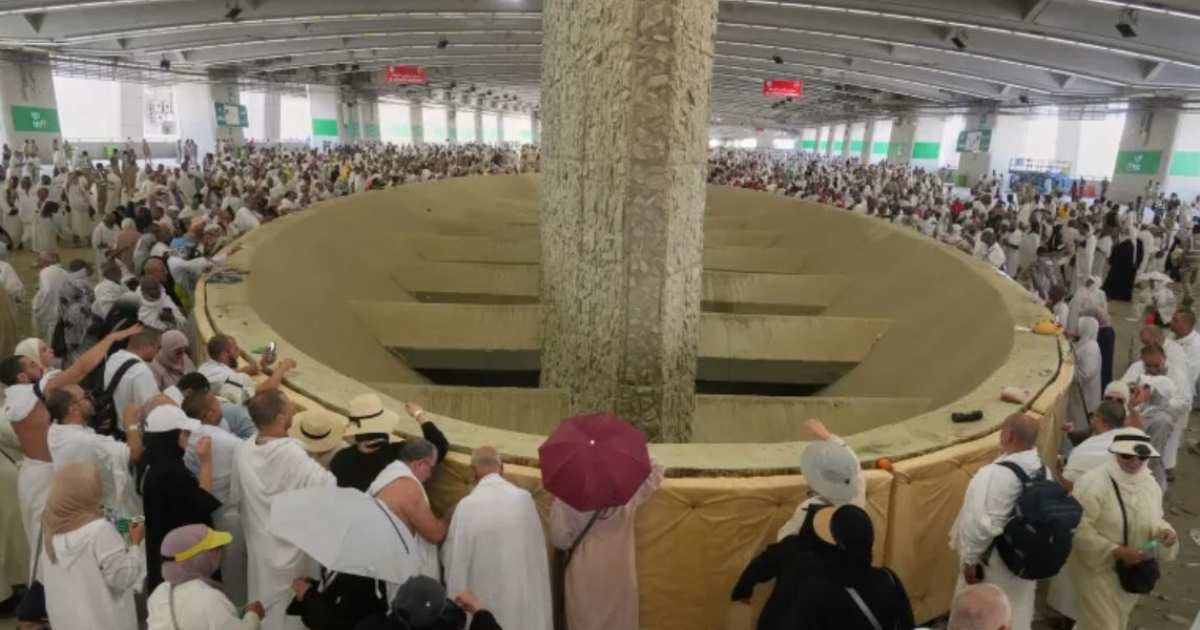
Muslims will perform multiple rites, and one of them will be stoning the Jamarat, standing out for its historical and symbolic importance. Known as Rami al-Jamarat, this ritual involves throwing pebbles at three pillars in Mina, representing the rejection of evil and the reaffirmation of faith.

What is Rami al-Jamarat? 

The practice of stoning the devil during the Hajj is known as Rami al-Jamarat. This comes from the time when Prophet Ibrahim was asked by Allah to sacrifice his son, Prophet Ismail, in His way. Ibrahim, being a righteous servant of Allah, agreed to His command and took his son to Mina, some say Mount Arafat, to sacrifice him.

It was during his journey that the Shaytaan (devil) tried to stop him three times, at three different places. In response to this, Ibrahim threw stones at the Shaytaan to drive him away. This act of defiance and unwavering faith is re-enacted by pilgrims during the Hajj pilgrimage.

jamarat-hajj
Muslim pilgrims cast stones at pillars in the symbolic stoning during Jamarat. in Mina near the holy city of Mecca, Saudi Arabia, on June 6, 2025

How is the Rite Performed?

Rami al-Jamarat is performed three days during the Hajj: the 10th, 11th and 12th of Dhul-Hijjah. During these days, the ritual is conducted as follows:

  • Collection of pebbles: Pilgrims collect 49 or 70 small pebbles (depending on whether they will stay in Mina for two or three days) from the Muzdalifah plain.
collecting-pebbles-jamarat-hajj
Collecting pebbles before throwing them at the Jamarat
  • Location: The stoning takes place in Mina, where three stone pillars, known as Jamarat, are located. These pillars represent the locations where the Shaytaan tried to mislead Prophet Ibrahim.
  • Order and Timing:
    1. On the 10th of Dhul-Hijjah, known as the Day of Eid al-Adha, pilgrims throw seven pebbles at the largest pillar, Jamarat al-Aqabah.
    2. On the following two or three days, pilgrims throw seven pebbles at each of the three pillars: Jamarat al-Sughra (the small pillar), Jamarat al-Wusta (the middle pillar), and Jamarat al-Aqabah (the large pillar), totalling 21 pebbles each day.
  • Method: As pilgrims throw each pebble, they recite “Bismillah, Allahu Akbar” (In the name of Allah, Allah is the Greatest), signifying their commitment to reject evil and remain steadfast in their faith.

The Three Stone Pillars 

The three Jamarat symbolise different things for the Muslims.

First Jamarat: It marks the temptation of Prophet Ibrahim to not sacrifice his son even though Allah commanded him to do so.

Second Jamarat: It represents the temptation of Hajrah (AS), the second wife of Prophet Ibrahim and the mother of Prophet Ismail, against the sacrifice.

Third Jamarat: It represents the temptation of Prophet Ismail against the sacrifice.

Despite how many times the Shaytaan tried, he failed.

The Symbolic Importance of Rami al-Jamarat 

Muslims perform the ritual due to what it spiritually represents. It is more than just stoning the wall; it is about rejecting evil at its core. Here is the symbolic significance of the act:

  • Rejecting Evil: The act of throwing pebbles represents the rejection of evil and temptation. It is a physical manifestation of the inner struggle against sinful desires.
  • Renewing Faith: By copying Prophet Ibrahim’s defiance of Shaytaan, pilgrims reaffirm their commitment to Allah and the principles of Islam.
  • Solidarity and Unity: The communal aspect of Rami al-Jamarat represents the unity and solidarity of the Muslim ummah (community).
  • Patience and Perseverance: The physical and logistical challenges of stoning the Jamarat teach pilgrims patience and perseverance. It is a reminder of the endurance required in the journey of faith.

As Muslims from across the globe gather in Mina to perform the ritual of Rami al-Jamarat, they do more than just retrace the historic footsteps of Prophet Ibrahim (AS); they wage a symbolic war against the enemy within. The stoning of the pillars serves as a profound reminder of the inner evils we must continuously fight throughout our lives. Only by overcoming these internal battles can we truly submit to Allah’s commands and attain success both in this world and in the eternal life to come.

Stay tuned to Brandsynario for latest news and updates

TCL Hosts Landmark Tech Event “TCL Horizon 2026” in Lahore to Unveil the 2026 SQD-Mini LED TV Lineup and New Home Appliances

TCL Electronics Pakistan

TCL, Pakistan’s No. 1 LED TV brand, hosted an exclusive flagship launch event, TCL Horizon 2026: The Colours of Life, at the Expo Centre, Lahore, unveiling the premium 2026 SQD-Mini LED TV lineup headlined by the TCL C7L, alongside its latest range of air conditioners and home appliances. TCL Horizon 2026 reaffirmed TCL’s leadership in next-generation home entertainment and smart living.

The event brought together close to 50 attendees, including media representatives, KOLs, lifestyle creators, and industry stakeholders, who experienced TCL’s newest innovations firsthand through dedicated product zones, live demonstrations, and immersive technology showcases.

At the heart of the event was the TCL C7L SQD-Mini LED, the brand’s latest breakthrough in premium display technology. Powered by SQD-Mini LED, the C7L delivers peak brightness of up to 3,000 nits, up to 2,176 local dimming zones, and Super QLED technology that delivers a 69% increase in colour dot accuracy for vivid, true-to-life visuals. Its native 4K 144Hz panel with Game Accelerator VRR up to 288Hz makes it equally formidable for cinema and gaming, while Audio by Bang & Olufsen elevates the sound experience to a flagship level. Available in sizes from 65” to 98”, the C7L sets a new standard for premium viewing in Pakistan.

TCL Horizon 2026 also showcased the full range of TCL’s latest air conditioners, including the VOXIN T4, along with premium home appliances, including washing machines, gaming monitors, soundbars, and the newly launched TCL party speaker, offering guests a complete view of TCL’s expanding product ecosystem.

YANG Li, General Manager of TCL Electronics Pakistan, stated, “TCL Horizon 2026 is a celebration of what TCL stands for: innovation, precision, and an unwavering commitment to delivering the best technology to Pakistani consumers. The C7L represents the pinnacle of display technology, and we are proud to bring it home to Pakistan.”

TCL Horizon 2026 stands as a testament to TCL’s continued investment in the Pakistani market and its vision to lead the next generation of home entertainment, smart cooling, and connected living.

The TCL C7L SQD-Mini LED and the full TCL product range are now available nationwide at all TCL flagship stores, authorised dealers, and online platforms. To learn more, visit www.tclpakistan.com.

Stay tuned to Brandsynario for latest news and updates

How AI Is Reshaping the Future of Software Pricing and Billing

ai-software-pricing-billing

Artificial intelligence is changing how businesses work, and software companies are now being forced to rethink how they charge for their products. Experts say companies which use AI to update their pricing and value systems will stay ahead, while others could fall behind over time.

Big AI players like OpenAI and Anthropic are building the base technology that powers many new tools. At the same time, smaller AI apps are solving very specific problems in areas like customer service and legal work. But the real pressure is on older software companies that already dominate the market.

Old Pricing Models Under Pressure

Most traditional software companies use subscription pricing, where customers pay a fixed fee every month or year. Now, AI is pushing the industry toward usage-based pricing, where users pay depending on how much they actually use.

Some companies are already trying to adjust. For example, GitHub added AI tools like Copilot and started shifting toward usage-based billing. This shows how even big companies are changing their old systems to fit the new AI world.

Still, the change is not simple. Many older companies are stuck with billing systems which are built only for subscriptions. These systems often struggle to track real usage properly, which can lead to billing mistakes and lost revenue.

New Risks and New Solutions

Experts warn that these problems can lead to revenue leakage, which means companies fail to charge correctly for services they have already provided. It can also create a poor customer experience and slow down new product launches.

So, because of this, many companies are now shifting towards hybrid pricing. This combines a fixed subscription fee with usage-based charges, giving both stability and flexibility.

And then instead of rebuilding everything, experts say that companies should upgrade their existing systems with better tools that can track usage more accurately.

AI is also changing how internal teams work. Marketing, sales and support teams can now use real usage data to make better and smarter decisions.

In the end, experts believe software companies must adapt quickly to this new AI-driven world, or they risk falling behind in a fast-changing market.

Stay tuned to Brandsynario for Latest Tech News and updates

Taijul Leads Bangladesh to A Historic Test Sweep Against Pakistan

Banglades vs Pakistan Test, Taijul Islam
Taijul Islam’s Six-Wicket Haul Seals Famous 2-0 Series Whitewash for Bangladesh

The Bangladesh cricket team has taken charge of its Test history books and rewritten their fate. The team was able to seal a spectacular 2-0 series sweep against Pakistan in Sylhet. It was once thought to be impossible but is now a defining moment in Bangladesh cricket history as Najmul Hossain Shanto’s team played Pakistan with discipline and tactical brilliance in both matches.

Taijul Islam’s match-winning spell worked on the final morning of the second Test as he helped the hosts to a 78-run win. The left-arm spinner claimed 6-120 in the second innings and finished with nine wickets in the match.

Taijul Islam Turns the Match Around

Pakistan resumed day five at 316-7 while chasing a daunting 437-run target. Mohammad Rizwan and Sajid Khan briefly gave the visitors hope with a gritty 54-run partnership.

However, Taijul Islam changed things up in the game once again. He removed Sajid Khan to complete his 18th five-wicket haul in Test cricket before Shoriful Islam dismissed Rizwan for a fighting 94. Moments later, Taijul concluded the innings by removing Khurram Shahzad, sparking emotional celebrations in Sylhet.

The Bangladesh cricket team also benefited from the sharp captaincy of Najmul Hossain Shanto. His field placements and serene approach under pressure played a major role in closing out the match.

taijul-islam-bangladesh-cricket-team
Bangladesh Cricket Team

Mushfiqur and Litton Set the Stage

Bangladesh had been consistent in both innings to make the score. Litton Das was brilliant in the first innings as the hosts posted 278 after a few early wickets.

Mushfiqur Rahim, a seasoned batter, gave a stellar performance in the second innings. His commanding 137 guided Bangladesh to 390 and set Pakistan a massive fourth-innings target. Mahmudul Hasan Joy added 52, while Litton contributed another valuable 69.

Match Highlights

  • Bangladesh won by 78 runs in Sylhet
  • Taijul Islam took 6 wickets in the second innings
  • Mushfiqur Rahim scored 137 in the second innings
  • Litton Das was named Player of the Match
  • Bangladesh completed a 2-0 series sweep

A Landmark Moment for Bangladesh Cricket

This series win is a moment of major significance for the Bangladesh cricket team. It marks their first-ever Test series victory against Pakistan on home soil and their second consecutive sweep over the visitors after the 2024 triumph in Pakistan.

The victory also pushed Bangladesh to seventh place in the 2025–27 World Test Championship standings, while Pakistan slipped to eighth.

Bangladesh captain Najmul Hossain Shanto praised the team’s composure after the match. “Every player and member of the support staff contributed, and as captain, I feel very proud of the team’s work ethic,” he said.

Former Pakistan captain Wasim Akram also praised Bangladesh’s growth in red-ball cricket. He highlighted the emergence of fast bowler Nahid Rana and credited Bangladesh for preparing more competitive Test pitches instead of relying solely on spin-friendly surfaces.

Pakistan Under Pressure

Bangladesh celebrated this historic feat but Pakistan was left wondering. Shan Masood’s side had some brave moments of resistance but failed to be consistent in the key moments.

The defeat also ramped up the scrutiny around Pakistan’s Test performances and leadership. Bangladesh, however, was consistent while Pakistan failed to keep up with them despite the efforts of Rizwan, Salman Ali Agha and Babar Azam. This series was a testament to the fact that Bangladesh is a serious force in Test cricket now.

Stay tuned to Brandsynario for latest Sports news and updates

A Scenario-Based Guide to Evaluating ULIP as the Best Investment Option

ULIP as the Best Investment Option

Most people come across ULIPs when an insurance agent or a bank relationship manager brings it up. The explanation usually goes something like: it gives you insurance and investment in one plan.

While some buy it then and there, others shelve the idea entirely. Both reactions, however, bypass the most critical question: Not whether ULIPs are universally good or bad, but whether they align with your specific financial journey. That is what this guide tries to work through.

The Young Professional Starting Out

Take someone who is 27, just settled into a stable job, and has no major responsibilities yet. They want to start building wealth and also feel the nudge to get some life cover in place.

For this person, a ULIP plan is a smart move. Age is doing a lot of the heavy lifting here. Mortality charges are low when you are young, which means more of the premium goes into the actual investment. There is also the luxury of a long runway, 20 years or more, for the equity funds inside the ULIP to grow and absorb the early-year charges.

The one condition is discipline. They have to keep paying and resist the urge to pause during temporary market downturns. If they can do that, starting a ULIP at 27 can quietly become one of the better financial decisions of their life.

The Mid-Career Professional Already Holding Multiple Investments

Now, picture someone who is 41. Term cover is sorted. PPF is running. A couple of mutual fund SIPs are active. Someone at work is talking about ULIP as a way to diversify.

Should they bother?

Honestly, it is not straightforward. At 41, the mortality charges inside a ULIP are noticeably higher than they would have been a decade ago. A bigger slice of each premium goes towards covering the insurance component rather than building the investment corpus. That is just the nature of how these plans are priced.

That said, if this person is looking at a 15-year horizon and is not chasing aggressive equity returns, a ULIP can still fit in. But it should not be the main vehicle at this stage. Think of it as a supporting piece, not the foundation.

The Person Who Cannot Stop Dipping Into Savings

This one is real and more common than people admit.

Some people genuinely struggle with keeping their money untouched. Liquid investments disappear. SIPs get paused during stressful months. Fixed deposits get broken for reasons that felt urgent at the time.

For someone like this, the lock-in structure of a ULIP is not a drawback. It is the entire point.

Exiting a ULIP early comes with real financial consequences. That friction, annoying as it sounds, is exactly what some people need to stay on track. The best investment option for this person is not the one with the best theoretical return. It is the one they will actually hold onto long enough to see returns.

The Person Who Is 5 Years Away From Retirement

This scenario is where things go wrong for a lot of people.

Someone at 54 or 55 gets pitched a ULIP as a good option to invest a lump sum before retiring at 60. It sounds reasonable. Life cover plus investment, all in one.

But the numbers do not work well here. Five years is the bare minimum lock-in. There is not enough time to recover the charges from the early years and still generate meaningful growth on top. Mortality charges at 55 are also significantly higher, eating further into returns.

Starting a fresh ULIP this close to retirement is rarely a good idea. The money would work harder in a debt mutual fund, a fixed deposit, or a senior citizen savings scheme, depending on the risk appetite.

If someone already has a ULIP running from years ago, they should absolutely continue and possibly shift to a more conservative fund within the plan. But starting fresh at 55? Better options exist.

The Parent With a Long-Term Goal in Mind

This is probably the scenario where ULIP makes the strongest case for itself.

A parent wanting to build a corpus for a child who is currently 4 or 5 years old has a 15 to 18-year runway. That is more than enough time for an equity-heavy fund inside a ULIP to grow meaningfully. The life cover component also means the goal stays protected even if something happens to the parent.

Some ULIP plans come with a waiver of premium feature, where the policy continues, and premiums are waived if the policyholder passes away. For a goal that is specifically tied to a child’s future, that kind of protection actually adds real value.

What to Actually Check Before Buying

Here are the things that matter:

  • Charges: Fund management, premium allocation, and policy administration charges all reduce net returns. Read the charge structure carefully before committing.
  • Fund options: Does the plan offer a decent range of equity, debt, and balanced funds? Can you switch between them without heavy restrictions?
  • Sum assured: Is the life cover actually adequate for the family’s financial needs or just a nominal amount?
  • Flexibility: Can premiums be increased in later years? Are partial withdrawals possible after the lock-in without heavy penalties?

The Honest Summary

ULIP is not universally good or bad. It works well for disciplined, long-term investors who want insurance and wealth creation together, are comfortable with market-linked returns, and will not need to exit early.

It works poorly for people with short horizons, those needing liquidity within a few years, or anyone buying purely for the tax benefit without a real long-term plan behind it.

Evaluating ULIP as the best investment option means matching the product honestly against a specific financial situation. Not against a general claim that it does two things at once.

Stay tuned to Brandsynario for latest news and updates

Mike White Casts Two ‘Survivor 50’ Stars to The White Lotus Season 4

White Lotus Season 4, White Lotus Season 4 cast, White Lotus Season 4 hotel
Two Castaways Fly to France for The White Lotus Season 4

Luxury, chaos, betrayal, and now reality TV crossovers are why The White Lotus Season 4 is already shaping up to be HBO’s wildest instalment yet. Series creator Mike White has officially cast Survivor 50 contestants Charlie Davis and Kamilla Karthigesu in cameo roles for the upcoming season.

The surprise reveal happened during the live Survivor 50 finale on May 20. White appeared through a video call from France, where filming for the HBO phenomenon is currently underway. The announcement instantly sent fans into a frenzy online, especially longtime viewers who already know of White’s obsession with blending Survivor personalities into his Emmy-winning drama.

Mike White’s Survivor Tradition Is Officially Back

Before creating The White Lotus, Mike White competed on Survivor: David vs. Goliath in 2018. Since then, he has repeatedly brought former contestants into the series through fun cameo appearances.

Past Survivor players featured in earlier seasons include:

  • Alec Merlino
  • Angelina Keeley
  • Kara Kay
  • Natalie Cole
  • Carl Boudreaux

Now, The White Lotus Season 4 continues that tradition with Charlie Davis and Kamilla Karthigesu joining the franchise.

During the finale, host Jeff Probst asked White directly if any Survivor 50 contestants would appear in the new season. White responded with a smile: “Everybody’s invited, but there are gonna be two contestants that we’re flying out to be in the show, and they are Charlie and Kamilla.” This reveal then became one of the biggest moments of the night.

white-lotus-season-4-survivor-50-kamilla
Kamilla Karthigesu from Survivor 50

Cannes Glamour Takes Centre Stage

This time, The White Lotus Season 4 is leaving tropical resorts behind and heading to the South of France instead. Production is centred around Château de La Messardière in Saint-Tropez, while the Cannes Film Festival reportedly plays a major role in the storyline.

According to early details, the season follows two rival film teams arriving at Cannes with competing projects. Executive producer David Bernad hinted that the story will explore celebrity culture, artistic ambition, and the toxic pursuit of fame. That glamorous setting already gives the upcoming season a completely different energy from Hawaii, Sicily, and Thailand.

Moreover, the Cannes backdrop allows the series to satirise Hollywood itself, which is something fans believe Mike White would be best at.

white-lotus-season-4-survivor-50-charlie
Charlie Davis from Survivor 50

Hollywood Heavyweights Join the Cast

Alongside the Survivor cameos, HBO has assembled one of the show’s strongest casts so far.

The lineup includes:

  • Laura Dern
  • Vincent Cassel
  • Kumail Nanjiani
  • Steve Coogan
  • Rosie Perez
  • Heather Graham
  • Sandra Bernhard
  • Chloe Bennet

Fans are especially curious about how Charlie Davis and Kamilla Karthigesu will find their place in this elite cast.

Why Fans Are More Excited Than Ever

Part of the charm of The White Lotus Season 4 is in its unpredictability. Mike White continues to blur the line between prestige television and reality TV culture in a way few creators dare to do.

Interestingly, White himself competed on Survivor 50 before being voted out early. Reports suggest he even worked on scripts for the season during post-elimination isolation. That unusual creative process only adds to the mythology that defines the show.

With Cannes glamour, a stacked cast, and fresh Survivor crossovers, The White Lotus Season 4 is already on its way to becoming one of television’s most talked-about upcoming releases.

Stay tuned to Brandsynario for latest news and updates

THIS Actor is Leaving the Harry Potter Reboot After Filming Just One Season

harry-potter-reboot-actor-quits

The Harry Potter reboot is all that Potter Heads can talk about right now, and with the show set to premiere in December of 2026, any actor leaving the show right now is big news.

Gracie Cochrane, who was playing Ginny Weasley, will no longer be returning to the series after the first season. The young actor is said to be leaving the show due to unforeseen circumstances. Regarding her departure, her family shared a joint statement,

“Due to unforeseen circumstances, Gracie has made the challenging decision to step away from her role as Ginny Weasley in the HBO Harry Potter series after Season 1.”

Despite having to leave the show, Gracie’s family seemed thankful for the opportunity given to her by the casting director Lucy Bevan, as well as the entire production team.

HBO’S Reaction

The decision seemed to have come in harmony as HBO stated,

“We support Gracie Cochrane and her family’s decision not to return for the next season of HBO’s Harry Potter series, and we are grateful for her work on season one of the show. We wish Gracie and her family the best.”

As Gracie departs from the show, it leaves a major challenge for the production team to find a replacement for Ginny Weasley’s role in the upcoming seasons of the series. While Ginny might not have played a big role in the current season, the next one is important for her and the story.

harry potter reboot
Left: The Weasley Family from the HBO show Right: The Weasley family from the Harry Potter movies

Production of the current season has already wrapped, and the filming of the second season is also understood to be progressing at Leavesden Studios near London. The search for a new Ginny Weasley is now underway.

Fans Express Sadness 

Some fans were taken aback by the news, while others expressed how Gracie was one of their favourite castings of the show. Overall, the internet was not happy with the young actress leaving.

Fans have also criticised the reboot’s darker visual style and reports of expanded storylines not featured in the original books. However, despite the backlash, HBO has already committed to a second season before the first has aired.

Stay tuned to Brandsynario for the Latest Hollywood News and updates

Rethinking Cooling in Pakistan: TCL VoxIN T4 Series and the Importance of T4 Condition Standards

TCL VoxIN T4 Series
TCL VoxIN T4 Series

TCL, Pakistan’s leading consumer electronics brand, has recently launched its VoxIN T4 Series in response to increasingly intense summers across Pakistan, where temperatures in multiple cities frequently exceed 45°C and heatwaves are becoming more prolonged. This shift in climate patterns is also redefining how air conditioners are evaluated, with a growing focus on performance standards such as T3 and T4 Condition operating standards.

Traditionally, most air conditioners available in the market fall under T3 conditions, which are designed to operate efficiently in temperatures of up to around 50°C. While suitable in the past, these systems are now being tested by the country’s rising heat levels, often resulting in reduced cooling performance and efficiency during peak summer periods.

In contrast, T4 Condition air conditioners are built for extreme environments, capable of operating reliably in temperatures up to 65°C. They deliver stable cooling and consistent efficiency even under severe heat, making T4 Condition an increasingly relevant and future-ready standard for cities like Lahore, Karachi, Multan, and Hyderabad.

Recognizing this shift, TCL is highlighting T4 Technology as a key innovation in modern air conditioning, aimed at educating consumers on choosing energy-efficient systems that perform reliably in extreme conditions. Building on this, the TCL VoxIN T4 Air Conditioner is designed for Pakistan’s evolving climate, delivering stable cooling during peak heatwaves while integrating T-AI Technology for up to 37% greater energy efficiency compared to conventional inverter ACs.

In addition to performance, the VoxIN T4 series introduces Offline Voice Command functionality, enabling users to control their air conditioner through voice commands without relying on internet connectivity, a practical feature for ensuring convenience in all conditions.

Customers can purchase the VoxIN T4 series from TCL flagship stores, leading electronics markets nationwide, or by visiting the TCL Pakistan website.

Stay tuned to Brandsynario for latest news and updates

This Isn’t Just a Launch – It’s a Gaming Revolution: Infinix GT 50 Pro x PUBG Mobile Takes the Field at PMGO-SA

Infinix GT 50 Pro
Infinix GT 50 Pro

Infinix, the leading smartphone brand in Pakistan, has officially launched the GT 50 Pro with the industry’s largest HydroFlow liquid cooling architecture, in an exclusive collaboration with PUBG Mobile at the PMGO-SA event, marking a landmark moment for mobile gaming across the country. Priced at PKR 159,999, the GT 50 Pro is now available nationwide across online and offline channels and represents a bold new chapter for Pakistan’s growing gaming community.

The Infinix GT 50 Pro is built around the Industry Largest HydroFlow Liquid Cooling system, an industry-first dual-piezoelectric ceramic micro-pump setup delivering a 6.5ml/min flow rate through precision laser-engraved channels and achieving 100% coverage of core heat sources. With an overall cooling area of 32,700mm², the GT 50 Pro stays stable and cool through the longest, most demanding gaming sessions, eliminating throttling and keeping performance locked in when it matters most.

Powering the experience is the MediaTek Dimensity 8400 Ultimate 5G, a 4nm all-big-core chipset clocking up to 3.25GHz and recording an AnTuTu score of 2,224,634. With 144FPS Gaming Smartphone certification and native MFRC frame interpolation support, the GT 50 Pro delivers ultra-smooth, hyper-responsive gameplay purpose-built for competitive users.

Completing the pro-level gaming phone trifecta is the industry-first open-cut Pressure-Sense GT Trigger, offering four pressure-sensitive actions: light press, heavy press, left, and right slide, with under 20ms input latency and up to 8 mapping points. Tap to aim. Press to fire. React faster than ever before.

The PMGO-SA Event brought this powerful performance to life, giving Pakistan’s gaming community the chance to meet top players, experience the GT 50 Pro hands-on, and purchase the device directly from the event floor.

Talking about the launch, Infinix CEO Simon Feng said: “The GT 50 Pro is a statement of what Infinix stands for, pushing boundaries where it matters most to our users. From the industry’s largest HydroFlow Liquid Cooling to the precision of the Pressure-Sense GT Trigger and the raw power of the MediaTek Dimensity 8400 Ultimate 5G, every element of this device is engineered for gamers who refuse to compromise. Partnering with PUBG Mobile and bringing this experience to the PMGO-SA stage is exactly the kind of moment we build for.”

With Industry’s largest HydroFlow Liquid Cooling, 144FPS Gaming powered by MediaTek Dimensity 8400 Ultimate 5G, and the Pressure-Sense GT Trigger, the Infinix GT 50 Pro redefines what it means to be a powerful performance gaming phone in Pakistan. Priced at PKR 159,999, it is available now nationwide.

Stay tuned to Brandsynario for latest news and updates

aik by BankIslami digitizes Pakistan’s cattle markets by enabling Raast QR payments ahead of Eid-ul-Azha

aik by BankIslami digitizes Pakistan

aik by BankIslami has enabled Raast QR payments in cattle markets across Pakistan ahead of Eid-ul-Azha 2026. In line with the State Bank of Pakistan’s Go-Cashless campaign, aik by BankIslami is digitizing the cattle markets, simplifying the experience through its digital capabilities and making it easier for buyers and merchants to transact with convenience and ease.

The inauguration ceremony was attended by aik Chief Officer, Ashfaque Ahmed, Karachi Commissioner, Syed Hassan Naqvi, State Bank of Pakistan’s Director and Chief Manager, Shakeel Paracha, Deputy Chief Manager, Financial Inclusion Division, Sara Junaid, and Senior Officer, Financial Inclusion Division, Daniyal Khan, among other officials. The central bank’s officials acknowledged the joint efforts of aik by BankIslami in strengthening Pakistan’s growing digital payments ecosystem.

Commenting on the initiative, Chief Officer of aik, Ashfaque Ahmed, said: “Pakistan’s cattle markets move billions of rupees every Eid season, almost entirely in cash. At aik, we are working to not only improve this experience by providing a safe and seamless alternative, but also contribute to the growth of Pakistan’s Riba-free banking ecosystem.”

As the Go-Cashless campaign expands its wingspan every year, aik by BankIslami remains at the forefront of the Government of Pakistan’s efforts to transform and digitize the economy, directly supporting the Prime Minister’s vision of a Cashless Pakistan.

Through these efforts, aik by BankIslami is strengthening the digital payment infrastructure within Pakistan’s most traditional and cash-dependent marketplaces, helping bridge the gap between modern financial technology and the everyday Pakistani.

This initiative is a continuation of aik by BankIslami’s mission to modernize Shariah-compliant financing and shape a future where every Pakistani can transact with confidence, dignity, and ease.

Stay tuned to Brandsynario for latest news and updates

Every Phone Overheats. Yours Doesn’t.

Every Phone Overheats. Yours Doesn't

Picture this. You’re out with friends on a scorching summer afternoon. Everyone’s pulling out their phones, jumping into a game, and within minutes, the complaints start. Laggy controls. Stuttering frames. Screens too hot to hold comfortably. The fun dies before it even begins.

That’s the reality for most smartphones under pressure. But the GT 50 Pro was built for exactly this moment.

At the heart of it is the Industry Largest HydroFlow Liquid Cooling, an advanced thermal control system that actively moves heat away from the core components while you play. It doesn’t just absorb heat, it manages it in real time, keeping your device stable, responsive, and smooth no matter how long the session runs or how intense things get.

The result? A High-Performance Cooling experience that doesn’t ask you to dial back your game. No slowdowns. No throttling. No picking up a phone that feels like it just came out of an oven. Just uninterrupted gaming, the way it’s meant to be played.

Summer heat is unavoidable. Performance drops don’t have to be.

The GT 50 Pro’s Heat Management System keeps your smooth gaming experience intact, through long matches, heavy multitasking, and everything in between. While everyone else is waiting for their phones to cool down, you’re already three rounds ahead.

Stay cool. Stay in the game.

Stay tuned to Brandsynario for latest news and updates

WhatsApp
Get Alerts