


















As Hajj approaches us this year on the 25th to 27th May, millions of pilgrims gather in the Holy Mosque in Saudi Arabia, where they prepare to perform the fifth and last pillar of Islam. The Hajj is the largest annual gathering of Muslims from all over the world and a once-in-a-lifetime journey for many.
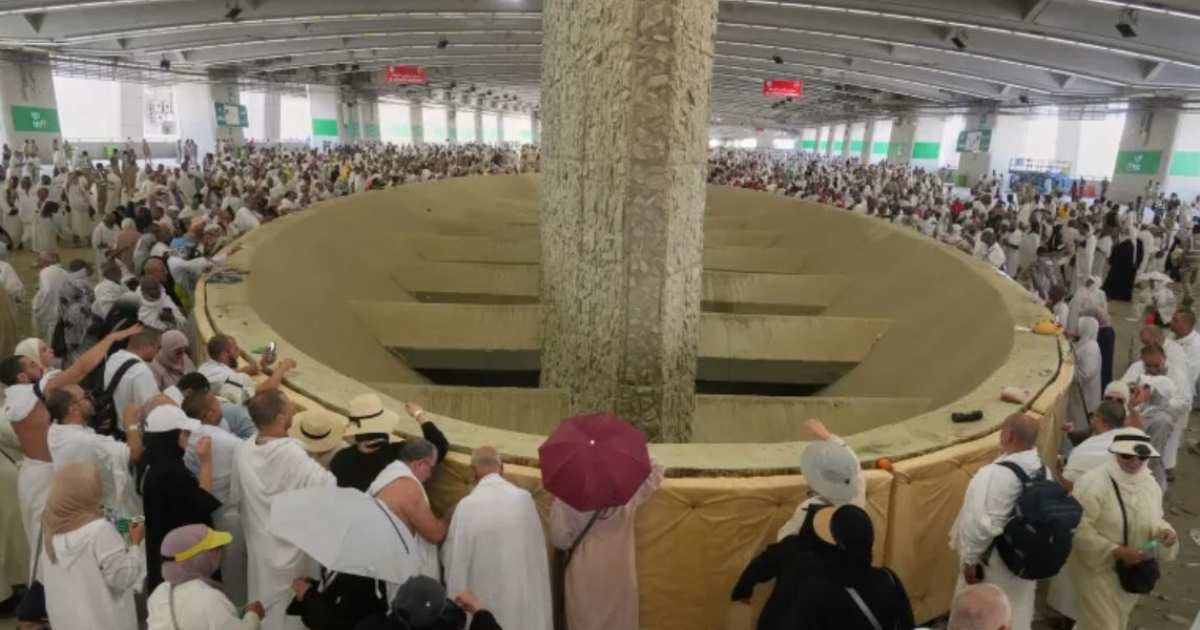
Muslims will perform multiple rites, and one of them will be stoning the Jamarat, standing out for its historical and symbolic importance. Known as Rami al-Jamarat, this ritual involves throwing pebbles at three pillars in Mina, representing the rejection of evil and the reaffirmation of faith.
What is Rami al-Jamarat?
The practice of stoning the devil during the Hajj is known as Rami al-Jamarat. This comes from the time when Prophet Ibrahim was asked by Allah to sacrifice his son, Prophet Ismail, in His way. Ibrahim, being a righteous servant of Allah, agreed to His command and took his son to Mina, some say Mount Arafat, to sacrifice him.
It was during his journey that the Shaytaan (devil) tried to stop him three times, at three different places. In response to this, Ibrahim threw stones at the Shaytaan to drive him away. This act of defiance and unwavering faith is re-enacted by pilgrims during the Hajj pilgrimage.
How is the Rite Performed?
Rami al-Jamarat is performed three days during the Hajj: the 10th, 11th and 12th of Dhul-Hijjah. During these days, the ritual is conducted as follows:
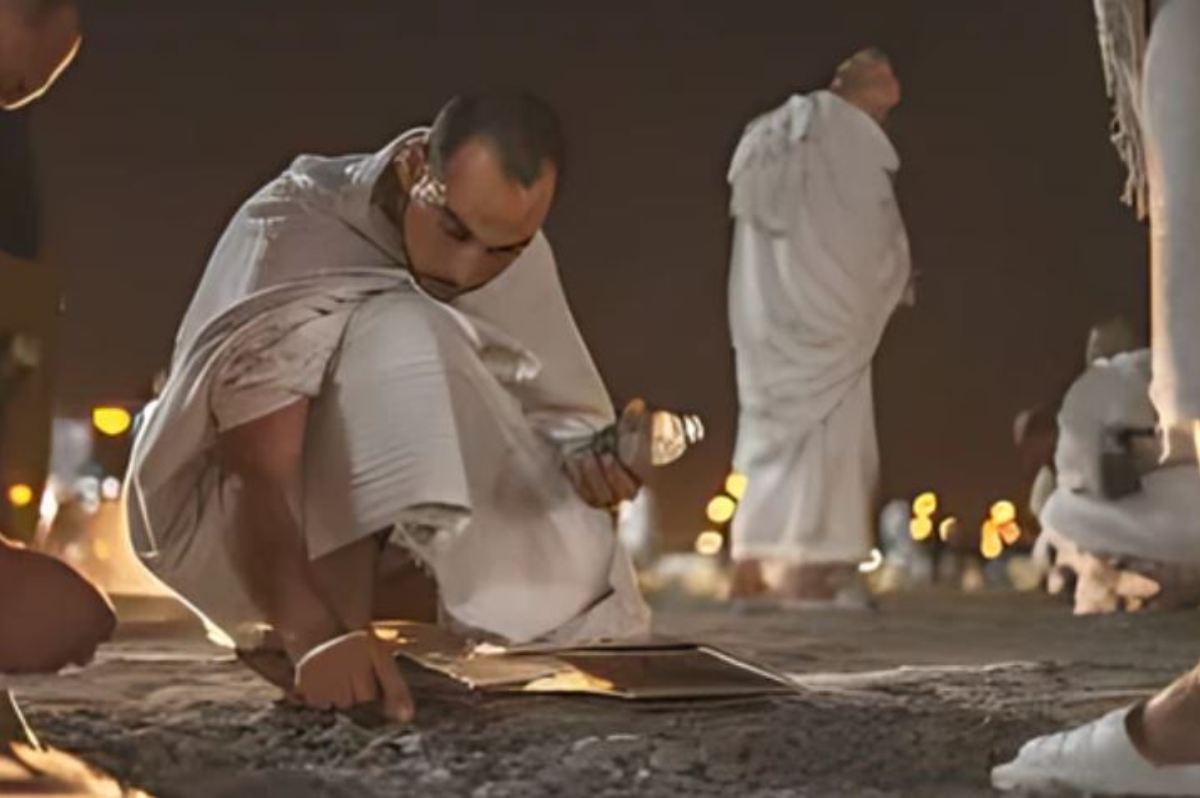
- Collection of pebbles: Pilgrims collect 49 or 70 small pebbles (depending on whether they will stay in Mina for two or three days) from the Muzdalifah plain.
- Location: The stoning takes place in Mina, where three stone pillars, known as Jamarat, are located. These pillars represent the locations where the Shaytaan tried to mislead Prophet Ibrahim.
- Order and Timing:
- On the 10th of Dhul-Hijjah, known as the Day of Eid al-Adha, pilgrims throw seven pebbles at the largest pillar, Jamarat al-Aqabah.
- On the following two or three days, pilgrims throw seven pebbles at each of the three pillars: Jamarat al-Sughra (the small pillar), Jamarat al-Wusta (the middle pillar), and Jamarat al-Aqabah (the large pillar), totalling 21 pebbles each day.
- Method: As pilgrims throw each pebble, they recite “Bismillah, Allahu Akbar” (In the name of Allah, Allah is the Greatest), signifying their commitment to reject evil and remain steadfast in their faith.
The Three Stone Pillars
The three Jamarat symbolise different things for the Muslims.
First Jamarat: It marks the temptation of Prophet Ibrahim to not sacrifice his son even though Allah commanded him to do so.
Second Jamarat: It represents the temptation of Hajrah (AS), the second wife of Prophet Ibrahim and the mother of Prophet Ismail, against the sacrifice.
Third Jamarat: It represents the temptation of Prophet Ismail against the sacrifice.
Despite how many times the Shaytaan tried, he failed.
The Symbolic Importance of Rami al-Jamarat
Muslims perform the ritual due to what it spiritually represents. It is more than just stoning the wall; it is about rejecting evil at its core. Here is the symbolic significance of the act:
- Rejecting Evil: The act of throwing pebbles represents the rejection of evil and temptation. It is a physical manifestation of the inner struggle against sinful desires.
- Renewing Faith: By copying Prophet Ibrahim’s defiance of Shaytaan, pilgrims reaffirm their commitment to Allah and the principles of Islam.
- Solidarity and Unity: The communal aspect of Rami al-Jamarat represents the unity and solidarity of the Muslim ummah (community).
- Patience and Perseverance: The physical and logistical challenges of stoning the Jamarat teach pilgrims patience and perseverance. It is a reminder of the endurance required in the journey of faith.
As Muslims from across the globe gather in Mina to perform the ritual of Rami al-Jamarat, they do more than just retrace the historic footsteps of Prophet Ibrahim (AS); they wage a symbolic war against the enemy within. The stoning of the pillars serves as a profound reminder of the inner evils we must continuously fight throughout our lives. Only by overcoming these internal battles can we truly submit to Allah’s commands and attain success both in this world and in the eternal life to come.
Stay tuned to Brandsynario for latest news and updates