
















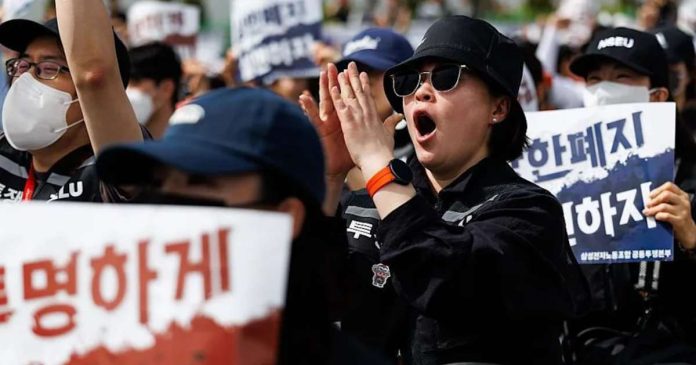

A crisis in the global tech world was closely avoided after Samsung Electronics suspended a massive worker walkout that threatened semiconductor production worldwide.
The planned industrial action, which involved nearly 48,000 employees, was expected to run from May 21 to June 7. However, emergency government-led negotiations in South Korea helped both sides arrive at a tentative wage agreement mere hours before the strike was to take place.
The development immediately eased fears surrounding the ongoing Samsung worker strike, especially at a time when global demand for AI chips is exploding.
Why the Samsung Worker Strike Alarmed the Tech Industry
Samsung is the world’s largest memory chipmaker and a critical supplier for AI data centres, smartphones, laptops, Tesla systems, and Nvidia-powered infrastructure.
A prolonged Samsung worker strike could have resulted in the disruption of:
- DRAM chip production
- High-bandwidth memory (HBM) supply
- AI server expansion projects
- Global smartphone manufacturing
- South Korea’s export economy
Industry analysts estimated that even one day of factory shutdowns could have caused more than $660 million in economic losses. Meanwhile, JP Morgan warned the strike might slash Samsung’s profits by up to $20 billion if operations were heavily affected by it.
What Sparked the Dispute?
The conflict was based on profit-sharing during the AI semiconductor boom.
Samsung employees working in advanced memory chip divisions were reportedly going to receive bonuses nearly six times larger than workers in other units. Union leaders argued that employees producing standard chips for companies like Tesla and Nvidia also deserved stronger compensation.
Workers demanded:
- Removal of the existing bonus cap
- A larger share of operating profits
- Better long-term compensation structures
- Formal inclusion of bonus terms in contracts
The Samsung worker strike quickly became one of the most closely watched labour disputes in the global technology sector.
The Deal That Changed Everything
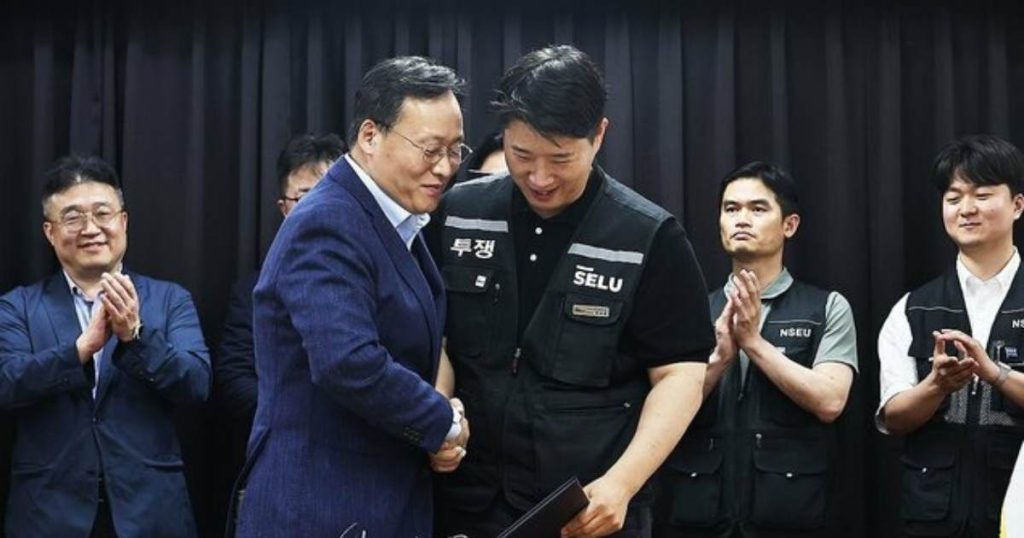
Under the tentative agreement, Samsung will reportedly allocate around 10.5% of semiconductor operating profits toward a special bonus pool.
A major portion of these bonuses will be distributed in company stock over 10 years. Some high-performing chip employees could reportedly receive payouts worth up to $416,000. Union members will now vote on the proposal between May 22 and May 27.
Samsung stated: “With a humble attitude, we will build a more mature and constructive labour-management relationship to ensure that such an incident never happens again.”
Markets React as Samsung Shares Surge
Investors responded immediately when the news of the suspended Samsung worker strike broke.
Samsung shares jumped more than 6%, while South Korea’s Kospi index also recorded strong gains. Analysts believe markets reacted positively because fears of semiconductor shortages cooled down.
The timing also needs to be taken into consideration. Demand for AI chips is already stretching global supply chains, while competitors like SK Hynix and Micron continue battling for dominance in the memory chip market.
Bigger Than One Company
Semiconductors are the powerhouse of nearly every modern industry, from AI chatbots and cloud servers to electric vehicles and smart devices. That is why governments, investors, and tech giants kept a close and wary eye on the Samsung worker strike from the beginning.
For now, the crisis seems to be contained. However, the final union vote will be what determines whether long-term stability will truly return to Samsung.
Stay tuned to Brandsynario for latest news and updates