
















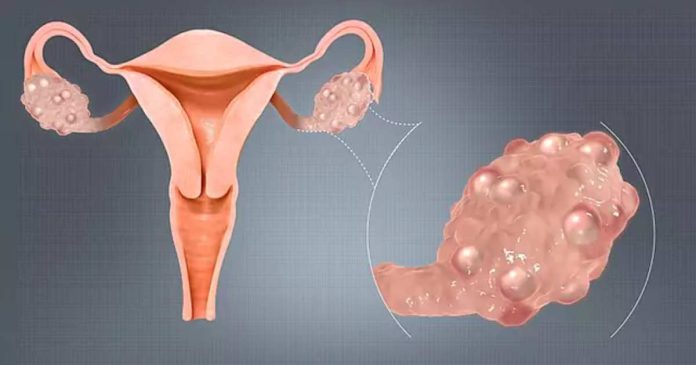

Medical experts just announced a massive shift in how we understand one of the most common health conditions for women. For decades, Polycystic Ovary Syndrome (PCOS) was the standard term used by doctors. Now, global health leaders have renamed the condition to Polyendocrine Metabolic Ovarian Syndrome (PMOS).
This is not just a change in terminology. It represents a fundamental shift in how the medical community views, treats, and researches a condition that affects over 170 million people worldwide.
Why the Name Had to Change
The previous name, PCOS, was fundamentally inaccurate. For 14 years, researchers at Monash University and the AE-PCOS Society tracked how the old name hindered patient care. They found that the term polycystic caused widespread confusion among both patients and doctors.
- The Myth of Cysts: Many women diagnosed with the condition do not actually have cysts on their ovaries. The cysts seen on ultrasounds are often just immature follicles, which are a normal part of the ovarian cycle.
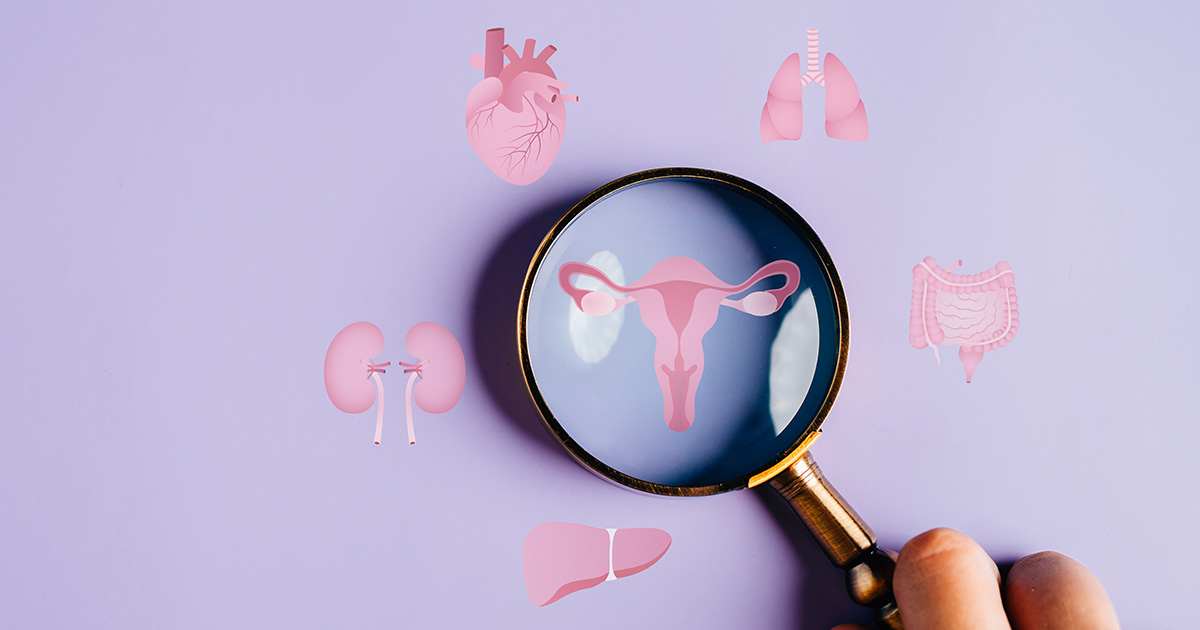
- A Systemic Issue: The old name suggested the problem was localised only in the ovaries. In reality, the condition impacts the entire body’s hormonal and metabolic systems.
- Cultural Sensitivity: In many cultures, the term polycystic ovary carries a heavy stigma regarding fertility. The new name, PMOS, focuses on the biological functions rather than just reproductive organs.
A Deeper Look at the Metabolic Shift
The inclusion of the word Metabolic in PMOS is the most critical update. This change forces the medical community to look at the big picture of a patient’s health. PMOS is an endocrine disorder, meaning it affects the glands and hormones that distribute signals throughout the body.
Since it is a metabolic disorder, it is closely linked to insulin resistance, weight management issues, and heart health. By acknowledging this in the name, doctors are now encouraged to screen patients for more than just irregular periods. They must now consider the risk of type 2 diabetes and cardiovascular disease as core components of the diagnosis.
Improving the Diagnostic Process
The transition to PMOS will streamline how women receive a diagnosis. Previously, many women waited years for an answer because they did not fit the narrow criteria.

- Earlier Intervention: Doctors can now diagnose the condition based on hormonal markers and metabolic symptoms.
- Validation for Patients: This new framework validates the experiences of millions of women who have metabolic symptoms but clear ultrasounds.
- Global Standard: Over 50 organisations and 22,000 respondents contributed to this consensus. This ensures that a woman in London and a woman in Karachi will receive the same standard of care under the PMOS label.
The Roadmap for the Future
The medical world will not switch to the new name overnight. Health authorities have launched a three-year education campaign to train clinicians and update medical textbooks. Health authorities will fully integrate the name PMOS into the official 2028 International Guideline. This slow rollout ensures that every level of the healthcare system, from local clinics to major research hospitals, is prepared for the change.
The Impact on Research and Treatment
Renaming the condition opens new doors for funding and scientific study. When a condition is labelled as metabolic and endocrine, it attracts researchers from various fields beyond just gynaecology. This will likely lead to:
- New medications that target insulin and hormone regulation.
- Greater focus on mental health, as PMOS is frequently linked to anxiety and depression.
- Better long-term health outcomes as patients receive more holistic care.
This rebranding marks the end of an era of medical misunderstanding. By calling the condition Polyendocrine Metabolic Ovarian Syndrome, the healthcare industry finally acknowledges that this is a complex, whole-body struggle.
Patients no longer have to fear a misleading label. Instead, they can look forward to a future where their treatment is as comprehensive and multifaceted as the condition itself.
Stay tuned to Brandsynario for the latest news and updates.