












Key Takeaways
- The US proposed fresh 10% to 12.5% tariffs on 60 economies, including Pakistan, India, China, and the EU.
- Washington cites a failure by these nations to crack down on imports tied to forced labour.
- The Trump administration is using labour enforcement as a legal workaround after the Supreme Court struck down its previous unilateral tariffs.
- Pakistan, Canada, Mexico, and the EU face a 10% tariff for weak enforcement, while China, India, and the UK face a 12.5% tariff for total compliance failure.
- Key items like beef, coffee, and some textiles are exempt. Stakeholders have until July 6, 2026, to comment before the policy is finalised.
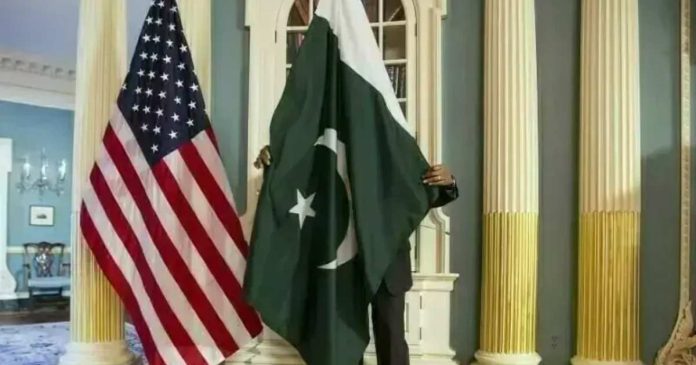
The Office of the United States Trade Representative (USTR) shook global markets on June 2, 2026, by proposing sweeping new tariffs ranging from 10% to 12.5% on 60 economies. This aggressive move directly targets major trading partners, including Pakistan, India, China, and the European Union.
Officially, the US is penalising these nations for failing to crack down on imports produced via forced labour. Beneath the surface, however, this policy represents a masterful legal workaround. The Trump administration is using humanitarian labour standards to resurrect its protectionist trade agenda just months after suffering a massive defeat at the U.S. Supreme Court.
The Legal Chess Match Behind the Tariffs
This massive tariff proposal did not happen in a vacuum. Rather, it serves as an immediate response to a major constitutional roadblock. On February 20, 2026, the U.S. Supreme Court struck down a wide swath of President Donald Trump’s unilateral tariffs. The Court ruled that the administration had overstepped its bounds under the International Economic Emergency Powers Act.
To prevent an immediate flood of foreign goods, the White House slapped a temporary 10% tariff on international imports that same day. However, that emergency measure carries a hard expiration date of July 24, 2026. Consequently, U.S. Trade Representative Jamieson Greer quietly launched extensive trade investigations months ago. The USTR specifically probed whether foreign trading partners were enforcing forced labour import bans. By framing the issue around labour exploitation, the administration has successfully built a new, legally defensible framework to keep trade barriers intact before the July deadline hits.
The Two-Tiered Global Tariff Structure
The USTR investigation concluded that dozens of countries actively harm American commerce by allowing forced labour goods into the global supply chain. To address this, Washington is dividing the 60 affected economies into two distinct penalty tiers based on their level of non-compliance:
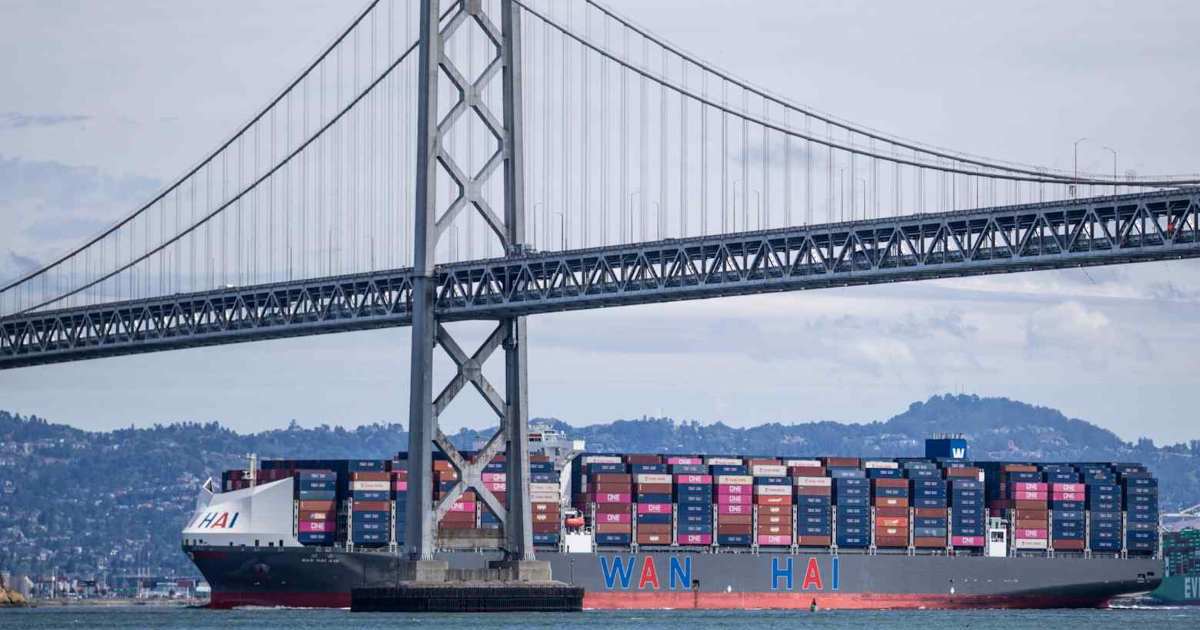
- The 12.5% Penalty Tier (Severe Failure): The USTR determined that 54 economies altogether lacked functional bans on forced labour. Out of these, 45 countries will face a stiffer 12.5% duty. This group includes economic giants like China, India, Vietnam, Taiwan, and the United Kingdom.
- The 10% Penalty Tier (Ineffective Enforcement): This tier targets nations that have forced labour prohibitions written into law but fail to effectively enforce them. Pakistan sits squarely in this category. Alongside Pakistan, the 10% duty applies to Canada, Mexico, Indonesia, Ecuador, and the European Union.
U.S. officials are holding a firm line on these designations. USTR Jamieson Greer explicitly stated that American workers cannot compete on an uneven playing field when global partners tolerate exploitative labour.
Key Exemptions Protect Critical Supply Chains
Despite the broad scope of the text, the USTR proposal includes strategic exemptions to prevent immediate price shocks for American consumers. The administration has carefully carved out specific sectors to protect vital supply chains.
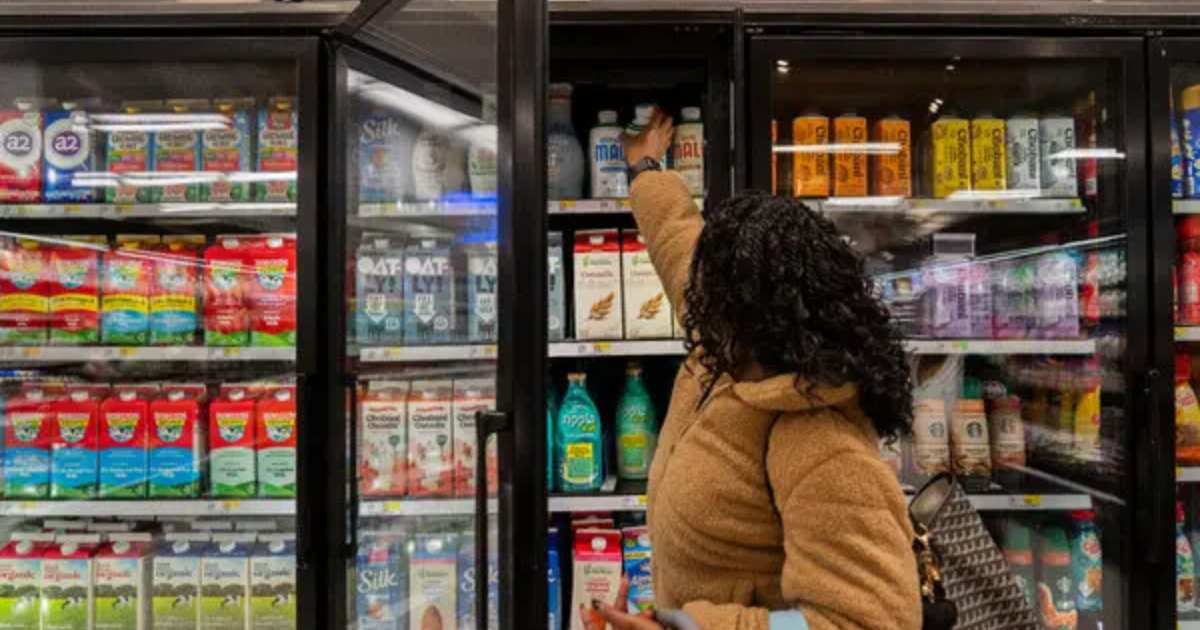
For instance, core food commodities like beef, coffee, and select fruits and nuts are entirely exempt from the new duties. Furthermore, the USTR is shielding goods from Canada and Mexico, provided those imports strictly comply with existing North American free trade agreements. Certain textiles and apparel products are also listed as exempt. These exclusions offer a potential lifeline for developing export economies, particularly Pakistan, which relies heavily on textile trade with the West.
International Diplomatic Backlash
The proposed tariffs have already sparked immediate international outrage. On Wednesday, Chinese Foreign Ministry spokesperson Mao Ning fiercely condemned the U.S. announcement. She labelled the duties as illegal, unilateral “political manipulation” and denied all allegations regarding forced labour practices.
Nevertheless, the U.S. timeline is moving forward rapidly. The USTR has set a strict deadline of July 6, 2026, for public and corporate trade bodies to submit written comments. Following this review period, Washington will host public hearings to finalise the tariff structures before the temporary February duties expire. Global markets now face a tense summer as Washington aggressively tests the boundaries of its new labour-based trade weapon.
FAQS
1. How much is the tariff on Pakistan from the USA?
Pakistani goods exported to the United States are subject to a reciprocal tariff of 19%.
2. How much is the import tax from Pakistan to the USA?
Import taxes from Pakistan to the US range from 0% to over 40% of the shipment’s value, depending entirely on the product
3. Is Pakistan affected by the tariffs?
Yes, exports from Pakistan are subject to tariffs in the United States. Following trade negotiations, the U.S. implemented a negotiated 19% reciprocal tariff on Pakistani goods. This rate was established as part of a bilateral trade agreement and was downwardly adjusted from an initially announced 29% tariff.