
















Key Takeaways
- Automated e-challans for lane violations launched on Shahrah-e-Faisal (June 1, 2026).
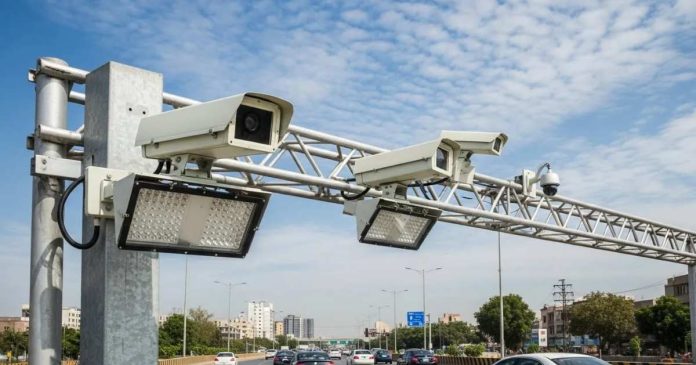
- High-definition cameras (TRACS system) issue tickets automatically to eliminate bribery and manual bias.
- Heavy/slow vehicles (bikes, rickshaws, buses) must stay left; fast/private cars must stay right.
- Rs2,500 for motorcycles/rickshaws and Rs7,500 for buses.
- Shahrah-e-Faisal will be used as a test pilot before expanding digital traffic enforcement city-wide.
The New Digital Guard: TRACS Takes the Wheel
The automated initiative operates under the advanced Traffic Regulation and Citation System (TRACS). High-definition surveillance cameras monitor the entire stretch of Shahrah-e-Faisal around the clock. The system tracks vehicle movements, identifies lane drift, captures license plates, and instantly generates electronic tickets.
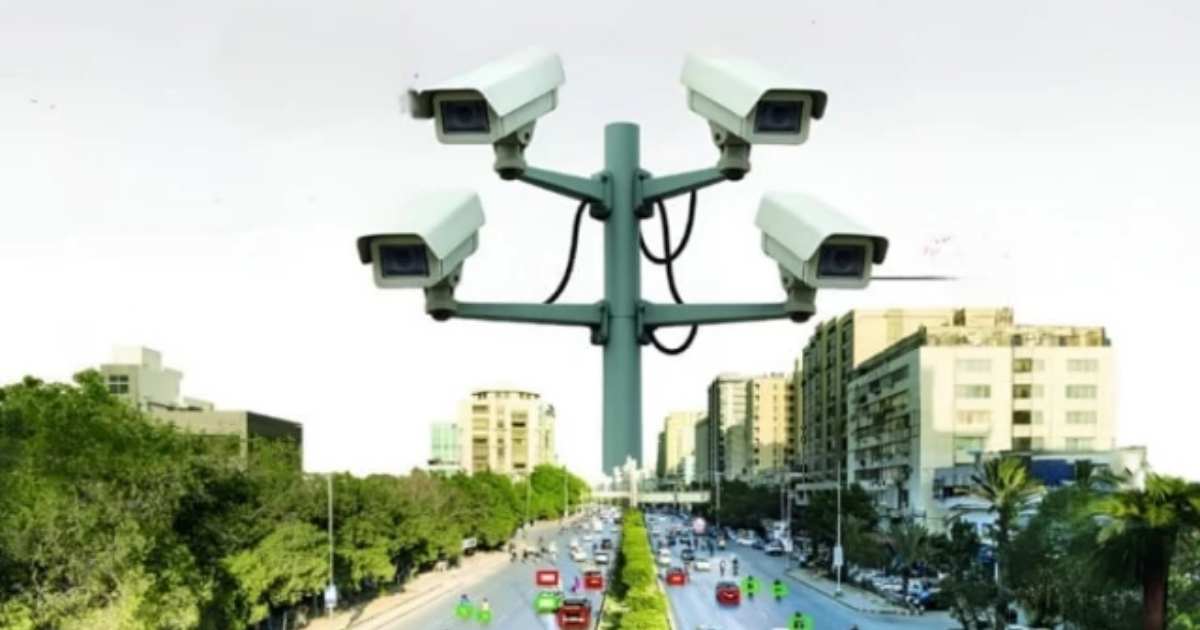
Consequently, reliance on manual enforcement has ended. Deputy Inspector General (DIG) Traffic Pir Mohammed Shah explicitly stated that the new mechanism involves zero manual discretion. Traffic officers will no longer pull drivers over to argue or negotiate on the asphalt. Instead, the digital system processes violations objectively, ensuring that every offender receives a ticket regardless of status or influence.
While Karachi initially introduced faceless e-ticketing on select major corridors in October of last year, today’s rollout marks the first time lane discipline is being aggressively targeted at this scale.
The Blueprint: How the New Lane Management Works
Shahrah-e-Faisal is highly unpredictable, shifting between three and four lanes dynamically depending on the specific stretch of the road. To manage this congestion, traffic authorities have designed a rigid lane allocation system based strictly on vehicle speed and size.
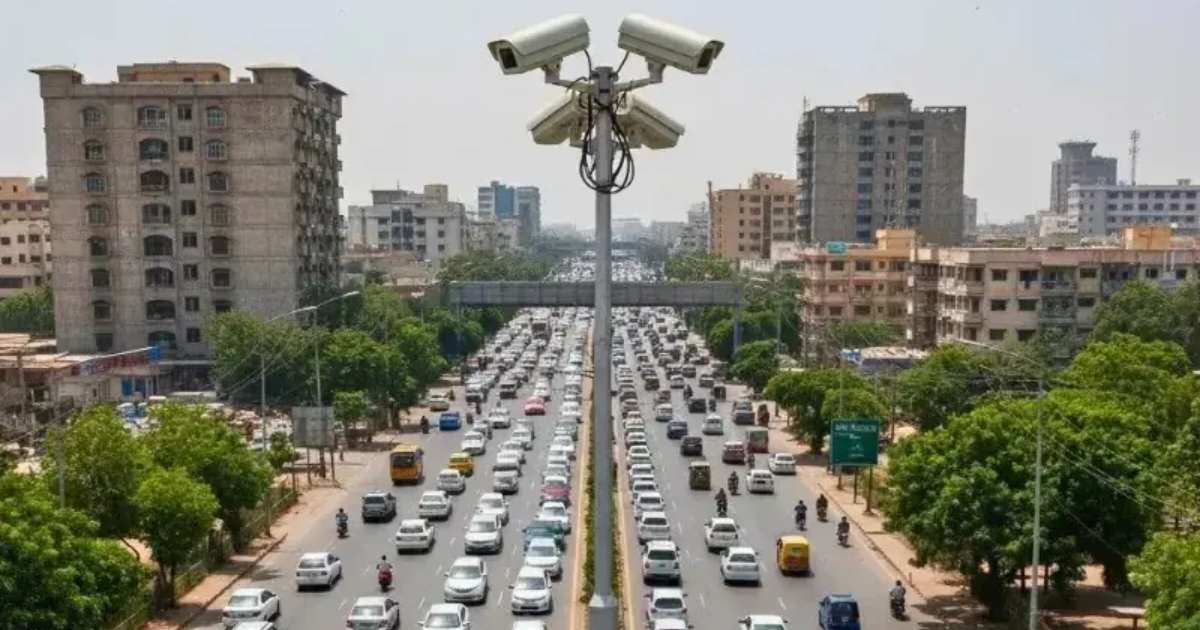
- The Left Lanes (Slow and Commercial Traffic): Motorcycles, auto-rickshaws, passenger buses, and light transport vehicles (such as Mazda trucks) must remain in the two leftmost lanes. Private cars and SUVs are completely barred from using these lanes to prevent dangerous weaving.
- The Right Lanes (Fast and Private Traffic): Standard cars, jeeps, and double-cabin vehicles must occupy the fast lane on the extreme right, as well as the second lane from the right. Slow-moving commercial vehicles are strictly forbidden from entering these fast lanes.
- The Three-Lane Bottleneck Rule: On narrower segments of Shahrah-e-Faisal, where the road shrinks to only three lanes, the rule adapts. The middle lane becomes a shared zone. Both slow commercial vehicles and fast private vehicles can utilise the middle lane interchangeably, depending on traffic density.
Financial Deterrents: The Variable Fine Structure
To ensure compliance, the traffic department has introduced severe financial penalties that scale with the type of vehicle. The automated system categorises vehicles instantly and issues variable fines.
- Motorcycles and Rickshaws: Violators will face a fine of Rs2,500. For the average daily wage earner or commuter in Karachi, this penalty is remarkably steep and serves as a heavy economic deterrent.
- Buses and Heavy Transport: Violating commercial buses face a massive fine of Rs.7,500. Since reckless bus drivers frequently cause fatal accidents by overtaking from the wrong side, this heavy fine aims to cripple habitual offenders financially.
The Data Trail: Driving Success Through Numbers
Official statistics from early 2026 reveal that Karachi drivers are already highly exposed to digital ticketing. The monthly data demonstrates a steady upward trend in automated enforcement leading up to this summer rollout.
- January: The system issued 128,990 e-challans.
- February: Violations caught by camera climbed to 156,099.
- March: Citations peaked drastically at 164,033.
- April: Digital tickets experienced a slight decline to 144,437.
Traffic officials noted that the minor dip in April occurred as drivers began adjusting their behaviour in anticipation of the stricter June lane regulations. The data clearly shows that digital surveillance is successfully expanding its footprint across the metropolis.
A New Era for Karachi’s Commuters
Ultimately, the success of this automated system relies entirely on public compliance and consistent system maintenance. Shahrah-e-Faisal serves as the ultimate testing ground for Karachi’s digital traffic experiment. If this camera-based enforcement successfully reduces congestion and accidents on this central highway, the traffic police plan to replicate the blueprint across all major roads in the city. Commuters must now unlearn decades of erratic driving habits, as the era of escaping a traffic ticket through connection or cash is officially over.
FAQS
1. How can I check my challan online in Karachi?
You can check your Karachi traffic e-challans online by entering your vehicle registration number or CNIC through the Sindh Police E-Challan Verification Portal or the MTMIS Sindh Check.
2. Where are the e-challan cameras in Karachi?
E-challan cameras in Karachi are installed across major arterials, expressways, and key traffic signals. The city uses a vast Safe City camera network to monitor speed limits, lane violations, and signal jumping.
3. Is the first challan free in Karachi?
First-time e-challans in Karachi can be waived. Under the city’s automated traffic e-ticketing system, if you receive your first-ever e-challan, you can have the fine completely exempted by submitting an apology within 10 days of the challan issuance.
4. Can we pay an e-challan through JazzCash?
Yes, you can easily pay your e-challan through JazzCash. You can do this directly from your JazzCash mobile app using the unique 17-digit PSID (Payment Slip ID) number generated by the e-Pay system or your specific traffic police platform.
Stay tuned to Brandsynario for the latest news and updates.