















Key Takeaways
- Electricity prices will rise by Rs1.74 per unit in June bills, recovering over Rs16 billion from consumers.
- The hike is caused by the US-Iran conflict, fuel disruptions, grid transmission bottlenecks, and nuclear power plant outages.
- Subsidised LNG imports and national grid support for Karachi prevented an even higher price surge.
- High costs drove an 8.5% drop in overall power consumption, with domestic use down 15%.
- Despite rising costs, Karachi consumers face severe unscheduled loadshedding, prompting a regulatory inquiry.
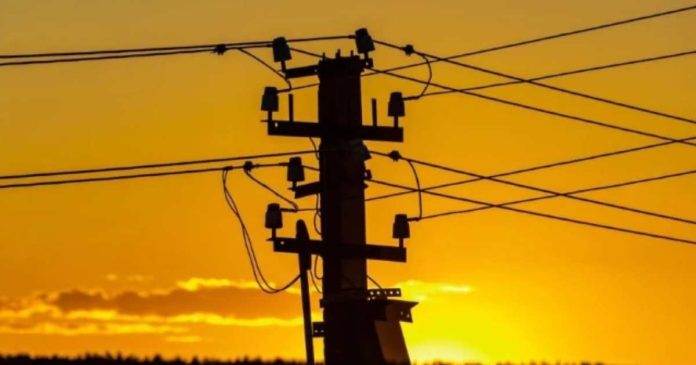
Pakistan faces a fresh wave of inflation as electricity prices prepare to surge by Rs1.74 per unit. The Central Power Purchasing Agency (CPPA) formally requested the National Electric Power Regulatory Authority (NEPRA) to approve this hike. Consequently, this adjustment will extract over Rs16 billion from already struggling consumers in their June bills.
While a Fuel Cost Adjustment (FCA) drives the initial request of Rs1.73 per unit, the expiration of a previous negative adjustment pushes the final net impact to Rs1.74. This sudden increase highlights deep systemic vulnerabilities within the national energy sector.
Geopolitical Friction Destabilises Fuel Costs
Global political tensions directly impact domestic utility bills. CPPA Chief Executive Officer Rehan Akhtar testified that the reference fuel cost for April was budgeted at Rs8.25 per unit. However, actual costs soared to Rs 9.975 per unit during that month.
- The escalation of the US-Iran conflict disrupted global liquefied natural gas (LNG) supply chains.
- Shipping delays and rising oil prices forced the national grid to absorb massive financial deficits.
- These geopolitical factors widened the gap between budgeted projections and actual expenditures.
Technical Bottlenecks and Plant Outages
Internal structural issues compound these external global shocks. Technical constraints prevented the state from shifting cheaper power generation from Sindh to upcountry load centres. Therefore, major energy shortages persisted in high-demand regions despite available capacity.
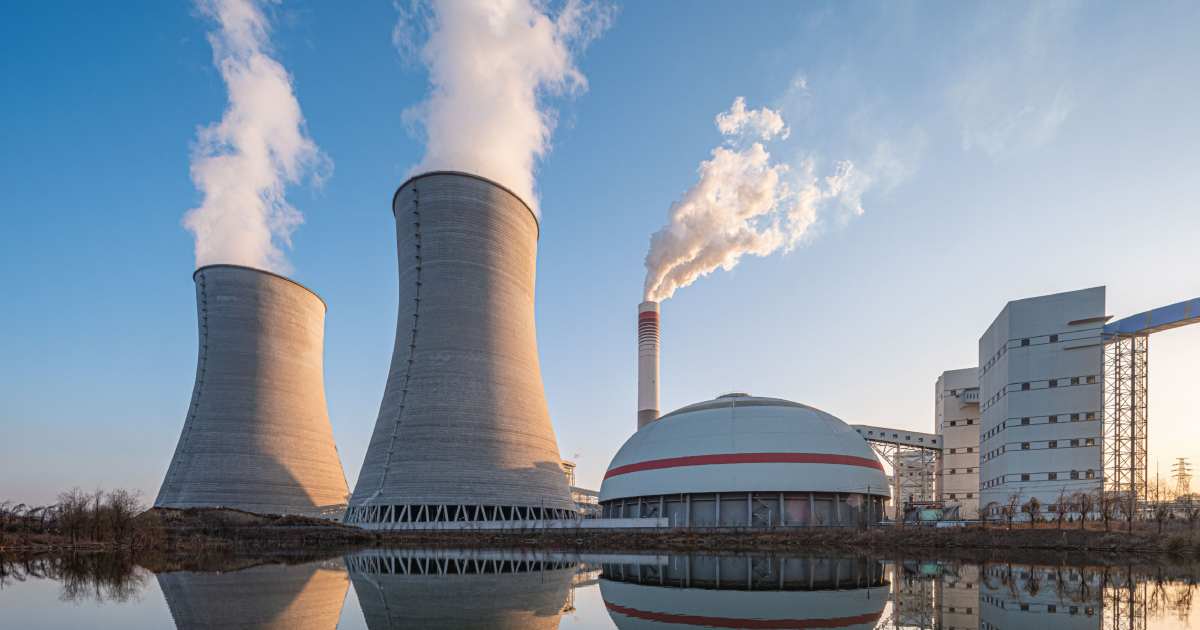
Furthermore, technical failures limited the availability of cheap nuclear energy. Forced partial outages at the Karachi Nuclear Power Plant Unit-2 (K-2) occurred due to physical issues within its nuclear reactor. Additionally, past financial claims from K-2 totalling Rs3.4 billion added to the immediate burden on consumers.
Government Intervention Prevents Worse Disasters
The government implemented emergency damage control measures to prevent a total collapse. Without these steps, the tariff hike would have been much worse for the public.
- Austerity Management: Officials actively restricted the use of highly expensive furnace oil and diesel for power generation.
- Subsidised Pricing: Authorities arranged emergency LNG imports. Normally, these supplies cost Rs3,500 per unit, but the government absorbed part of the blow to charge Rs2,000 per unit instead.
- National Grid Integration: Supplying Karachi via the national grid prevented a massive localised catastrophe. Without national grid integration, K-Electric consumers would have faced a staggering combined surge of Rs 4.26 per unit.
Dwindling Consumption Meets Industrial Backlash
Skyrocketing prices are rapidly changing consumer behaviour across Pakistan. Overall power consumption in April dropped by 8.5 percent compared to the same month last year.
Domestic consumption fell by roughly 15 percent, while commercial demand dropped by 9.5 percent. Agriculture plummeted by 53 percent, and bulk consumers dropped by 13 percent. Conversely, the industrial sector grew by 13.5 percent because the state disconnected gas supplies to captive power plants. However, Karachi industrial leaders heavily criticised this growth package. They termed its design faulty and demanded an immediate official review.
Growing Complaints Over Loadshedding
Amidst rising costs, consumers face severe service disruptions. Public hearings highlighted intense complaints regarding unscheduled, excessive loadshedding across Karachi. This crisis affects both high-loss and low-loss areas. As a result, NEPRA demanded an urgent, detailed report from K-Electric management to answer these regulatory allegations.
Ultimately, this impending tariff hike exposes the fragile state of the national energy infrastructure. Consumers must pay higher prices for inefficient systems, global conflicts, and technical failures. Moving forward, the government must prioritise structural reforms and grid stability to prevent permanent economic damage.
FAQS
1. How can I check my electric bill in Pakistan?
You can check your electric bill online in Pakistan by finding your 14-digit reference number on a previous physical bill and entering it into an online portal.
2. How much is 500 units of electricity?
500 units typically cost between Rs21,000 and Rs30,000 for unprotected consumers, depending on fixed charges, taxes, and your specific power company.
3. How can I reduce electricity usage?
To reduce your electricity usage, target your home’s biggest energy consumers: heating/cooling, water heating, and appliances. Lower air conditioner usage, run appliances on full loads during off-peak hours, eliminate vampire standby power, and switch to LED lighting to immediately lower your electricity bill.