















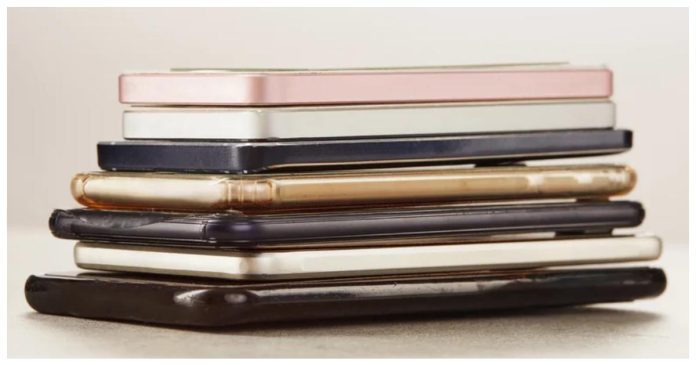
In a world where smartphones define daily work and social life, not every phone has succeeded. While the global smartphone ecosystem keeps producing amazing devices, it’s worth remembering some tech failures that should never have hit the market.
These are lessons every Pakistani buyer should know before splurging on a new phone. On that note, let’s look at the 13 worst smartphones ever produced.
1. Samsung Galaxy Note 7 Was Too Hot to Handle
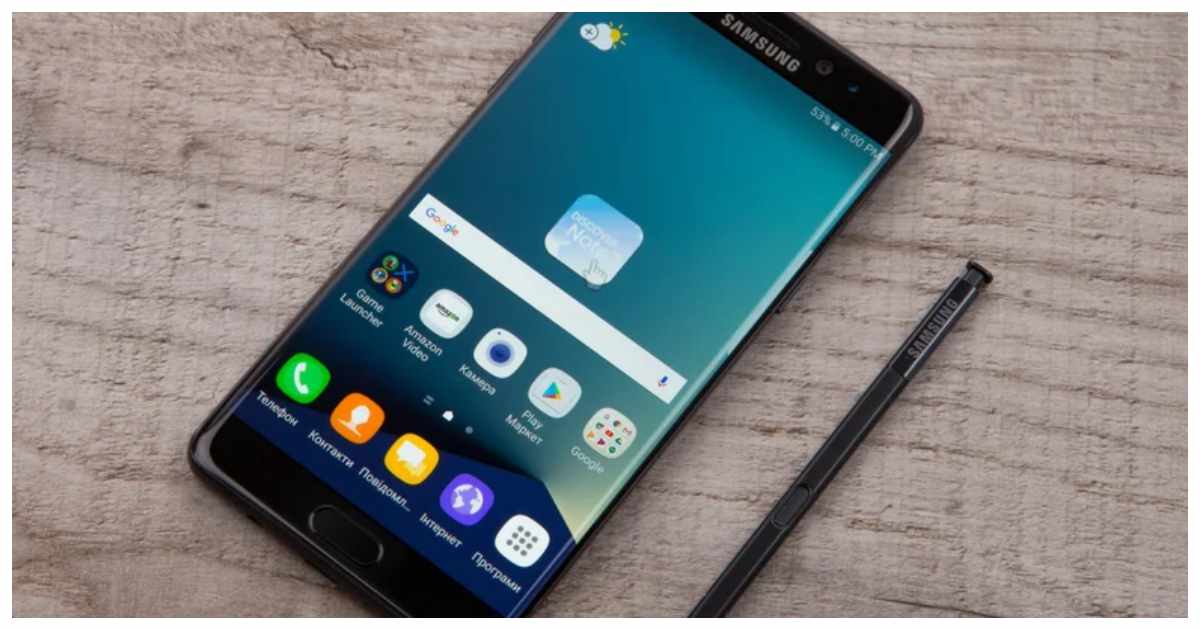
Samsung’s 2016 flagship turned out to be a spectacular failure. On paper, the phone looked almost flawless and was widely expected to become the best smartphone of its era.
At the time, it stood out for its massive size, comfortably fitting into the then-emerging “phablet” category that bridged the gap between phones and tablets. However, things took a turn for the worse when multiple incidents of explosions and burns were reported.
Matters only worsened when replacement units also started experiencing similar failures. With no viable fix in sight, Samsung was forced to discontinue the entire lineup.
2. The BlackBerry Storm Was Nowhere Near the iPhone
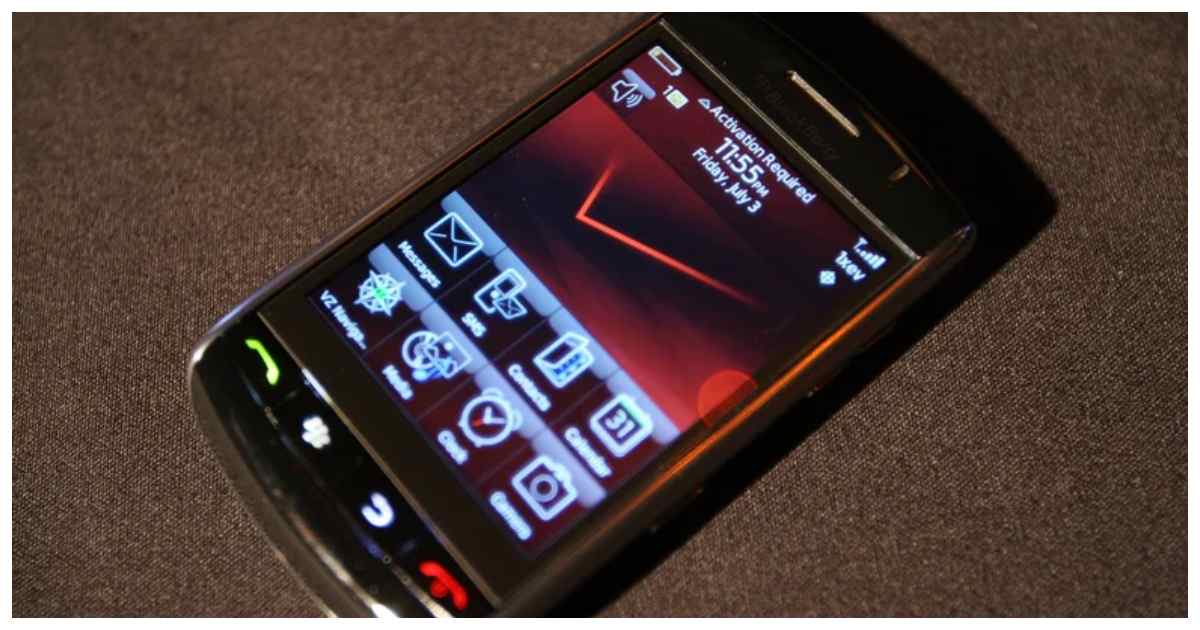
When the BlackBerry Storm launched in 2008, it turned out to be a major disappointment. Rushed out to challenge Steve Jobs’ groundbreaking 2007 iPhone, the device initially saw decent sales largely because of BlackBerry’s strong brand reputation.
However, excitement quickly faded once users actually used the Storm. It was plagued by technical problems, such as an unstable operating system. There were also reports of sluggish touchscreen typing.
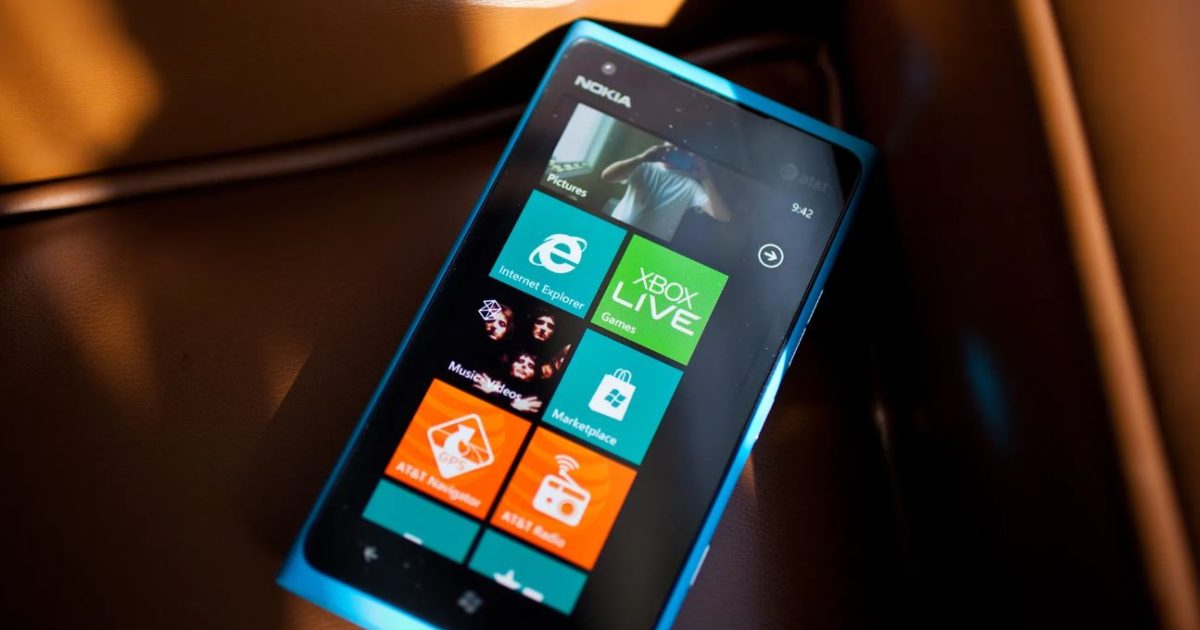
3. The Nokia Lumia 900 Was Too Good For its Own Good
This device stands out from the rest on this list because it was actually well-engineered and free from any hardware flaws. The phone introduced thoughtful features such as Live Tiles and threaded messaging, which felt genuinely fresh back then.
However, the Lumia 900’s downfall was its app ecosystem. Compared to Android and iOS, Windows Phone was severely limited, offering far fewer apps and functionality. The final blow came when Microsoft announced that Windows Phone 8 would not support the phone.
4. The Samsung Galaxy Fold Showed What Could Go Wrong With Foldables
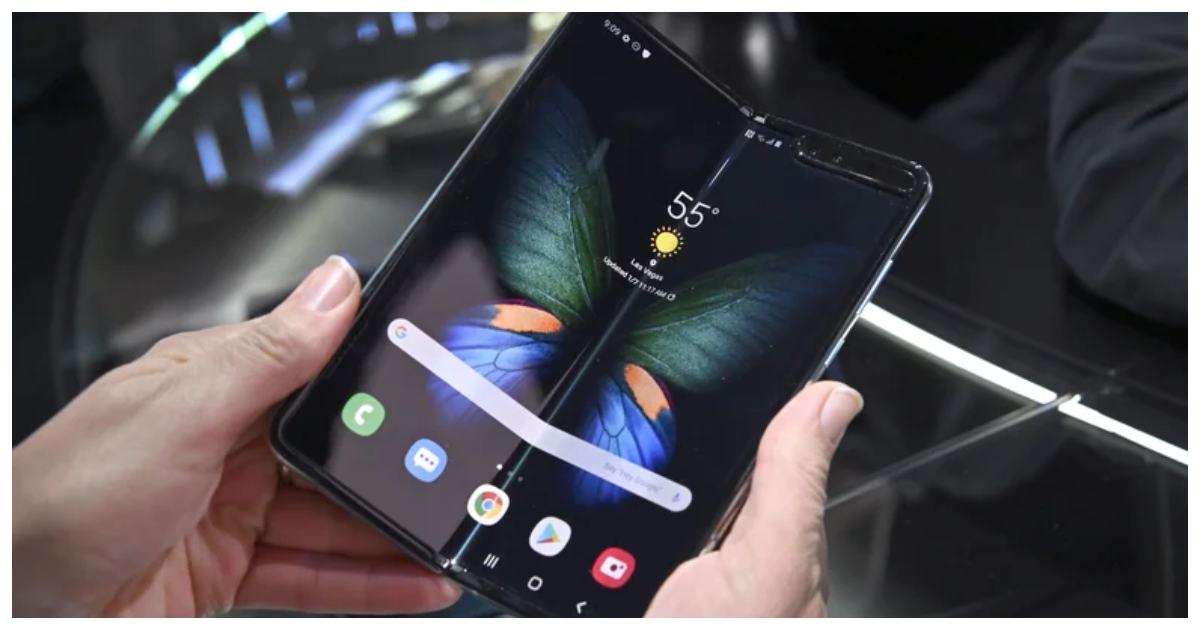
The Samsung Galaxy Fold was designed to redefine the smartphone industry by combining a phone and a tablet into a single device. On paper, it was an exciting and ambitious concept, but serious hardware compromises undermined it from day one.
Early review units were riddled with glaring issues, leaving many users baffled. The price tag was a major issue. At that premium level, the absence of basic protections like dust and water resistance was already disappointing.
Peeling off the thin plastic film on a brand-new phone screen is almost instinctive, and many people did exactly that with the Galaxy Fold. However, to their shock, they discovered that it was actually part of the display itself.
5. The Amazon Fire Phone Offered More Gimmicks Than Substance
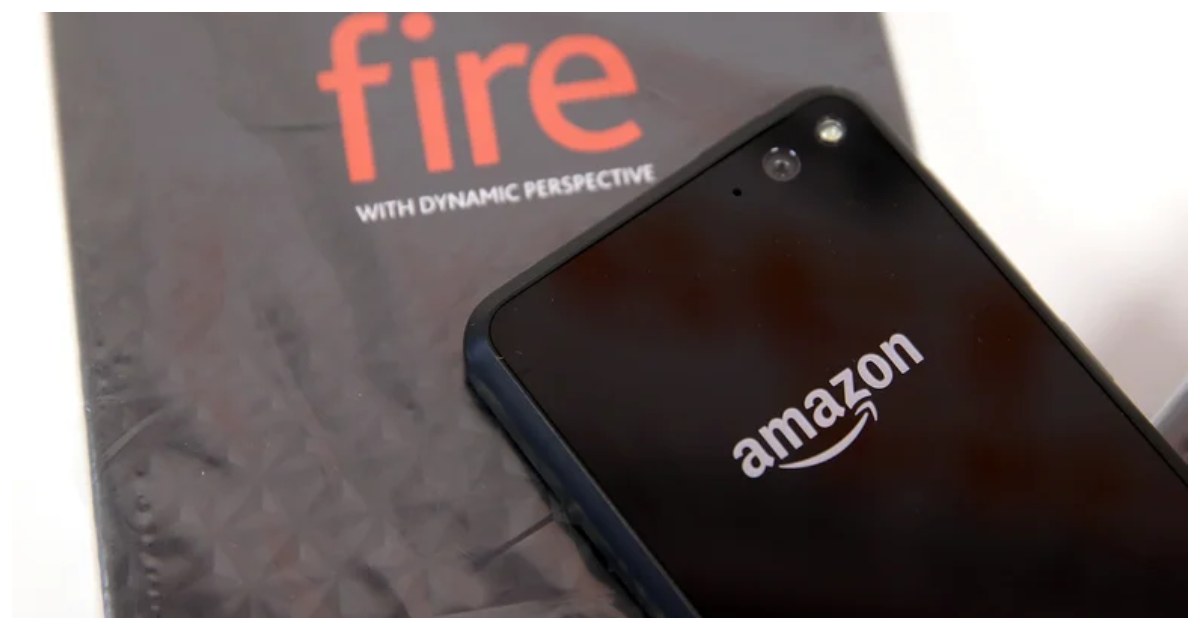
The Amazon Fire Phone featured a 4.7-inch display and a 13-megapixel rear camera, ran the company’s own Android-based Fire OS, and carried a hefty price tag of around $650 without a contract.
Despite its premium pricing, the device was anything but user-focused, feeling more like a marketing tool. The phone leaned heavily on gimmicky features and suffered from a limited app ecosystem.
6. The HTC Evo 3D Was a Flop
Three years before Amazon tried to sell its own 3D gimmick with the Fire Phone, HTC made a similar misstep. The company launched the HTC Evo 3D, marketing it around a glasses-free 3D display that was supposed to be a game-changer.
In reality, the feature was deeply underwhelming, producing a low-resolution, cardboard-like effect that only worked when viewed from very specific angles. The device also suffered from poor battery life, poor audio quality, unreliable internet connectivity, frequent freezing, and questionable build quality.
7. The iPhone 6 Had a Significant Design Flaw
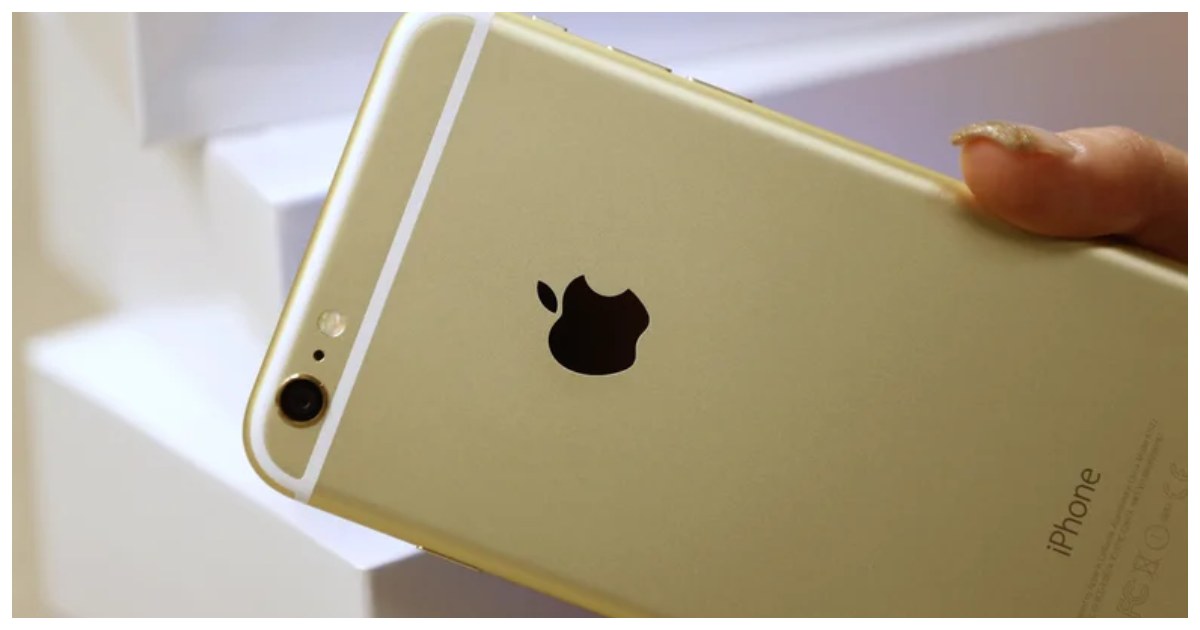
The iPhone 6 was far from a commercial failure, but it fell victim to a publicised design flaw that dominated headlines in 2014. The issue, called “Bendgate,” was especially noticeable on the larger iPhone 6 Plus, whose aluminum frame could bend under pressure.
Everyday scenarios like keeping the phone in a back pocket, stuffing it into a tight purse, or accidentally sitting on it were sometimes enough to warp the device. What intensified the backlash was the revelation that Apple was aware of the bending risk.
8. The iPhone 16e is a Great Phone With An Old-School Vibe
The iPhone 16e isn’t a bad device by any means, but it earns its place on this list largely because it feels outdated for a 2025 release. Visually and feature-wise, it resembles a phone from 2019, which makes its $599 starting price hard to justify.
The hardware is solid, and the software experience is typically polished, but the design choices are disappointing. A large notch on a modern smartphone feels out of place, and the single-camera setup is underwhelming in a market dominated by dual cameras.
9. The Palm Phone Was a Bad Idea
The Palm Phone was a fundamentally flawed concept. Looking back, it barely qualified as a phone at all, functioning more like a $350 smartwatch without a strap that still required a full smartphone to be useful.
The hardware experience made matters worse. Its 3.3-inch display was too small for comfortable video viewing or extended typing. The specs were equally unimpressive, with a mediocre 12MP camera, 3GB of RAM, a dated Snapdragon 435 processor, and 32GB of internal storage.
10. The Solana Saga Failed To Deliver
The Solana Saga was clearly designed to capitalise on the Web3 hype of the 2020s. It positioned itself as a flagship crypto-focused smartphone with deep Solana blockchain integration and a built-in crypto stack.
With an initial price hovering around $1,000, it sounded like a premium, purpose-built device. However, it failed to live up to the hefty price tag. At its core, the Solana Saga was simply a standard Android smartphone running a crypto wallet. Furthermore, the Solana app store was sparse and lacked meaningful apps.
11. The Kyocera Echo Was Ahead of its Time
The Kyocera Echo was a true industry first and, in many ways, far ahead of its time. However, while the concept was ambitious, the technology of the era simply wasn’t ready to support the device.
Android 2.2 Froyo struggled with dual-screen functionality, and the 1 GHz Snapdragon processor was quickly overwhelmed when attempting to run apps across both displays. Furthermore, only 7 apps were optimized for dual-screen use.
12. The RED Hydrogen One’s Hologram Was Unnecessarily Expensive
Despite its reputation as one of the most respected names in professional cameras, RED stumbled badly when it attempted to enter the smartphone market with a so-called holographic phone.
The company’s cinema cameras are widely used in filmmaking, so expectations were sky-high when RED unveiled the Hydrogen One. Unfortunately, the final product failed to deliver on nearly every promise.
The much-touted holographic screen turned out to be little more than a grid-patterned 3D display, with noticeably low brightness during 3D viewing and support from only around 10 compatible apps.
13. The Escobar Fold Was Disguised As a Flagship Phone
The Escobar Fold was an outright scam. Two versions were announced: the Escobar Fold 1 and Escobar Fold 2, with the latter gaining the most attention.
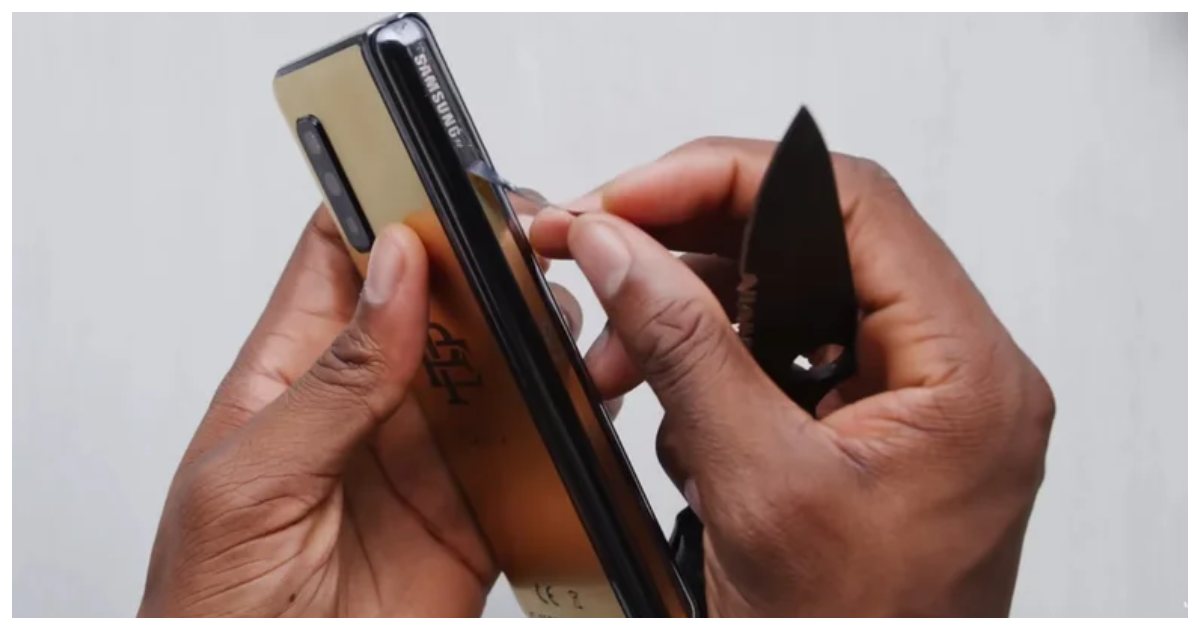
Marketed as a gold-plated alternative to Samsung’s Galaxy Fold, the Escobar Fold 2 was priced at an unbelievable $399. To establish credibility, the company shipped review units to influencers. However, these weren’t real Escobar devices.
They were simply actual Galaxy Folds wrapped in gold foil. The real scam began once customers placed their orders. Buyers never received a phone. Instead, they were sent books, promotional items, and fake ownership certificates.
These 13 examples are a cautionary tale about how innovation can go wrong when ambition, hype, or poor decision-making overtake user needs.
From exploding batteries and half-baked software to gimmicky features and outright scams, these devices failed for different reasons, but they all share a common thread: they ignored real-world usability and trust.
Stay tuned to Brandsynario for the latest news and updates