

















Key Takeaways
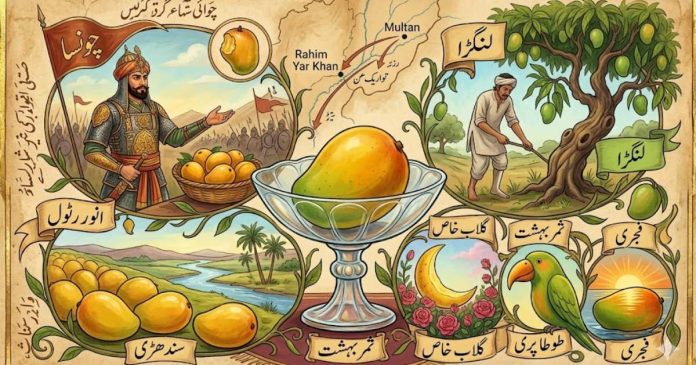
- History Shapes Names: Emperor Sher Shah Suri named Chaunsa to celebrate a battlefield victory, while an 18th-century farmer with a limp inspired the name Langra (the lame).
- Geography Drives Labels: Towns gave their names directly to famous varieties, creating hits like Sindhri and Dusehri.
- Appearance Inspires Poetry: Growers chose descriptive Urdu names based on unique traits. Tota Pari mimics a parrot’s beak, Gulab Khas smells like roses, and Fajri captures the colours of dawn.
- Flavours Preserve Culture: Each unique name connects modern food lovers directly to centuries of South Asian history, storytelling, and farming traditions.
Summer is officially here, and that means one thing: mango season has taken over! We all love devouring these juicy, golden treasures, but have you ever stopped to wonder why your favourite mango is named after a physical limb, a bird, or a historical battle?
South Asian mangoes, especially the legendary varieties across Pakistan and the subcontinent, don’t just carry sweet flavours; they carry incredible history.
From royal battlefields to poetic Urdu descriptions, every single bite has a story to tell. Grab a napkin, because we are diving deep into the fascinating, fun, and sometimes bizarre origins behind famous mango names!
The Accidental and Historical Legendaries
Some of the most famous mangoes we eat today got their names from random historical coincidences and real-life characters.
Chaunsa (The Sucked One)
This is arguably the king of the summer season. The name comes from the Punjabi word chaunsnaa, which literally means to suck. It perfectly describes how people traditionally eat this incredibly juicy, soft fruit. But the history gets even better! The 16th-century Mughal Emperor, Sher Shah Suri, loved this specific variety. He actually named it Chaunsa to celebrate his massive military victory over Emperor Humayun at the famous Battle of Chaunsa. Talk about a sweet victory!
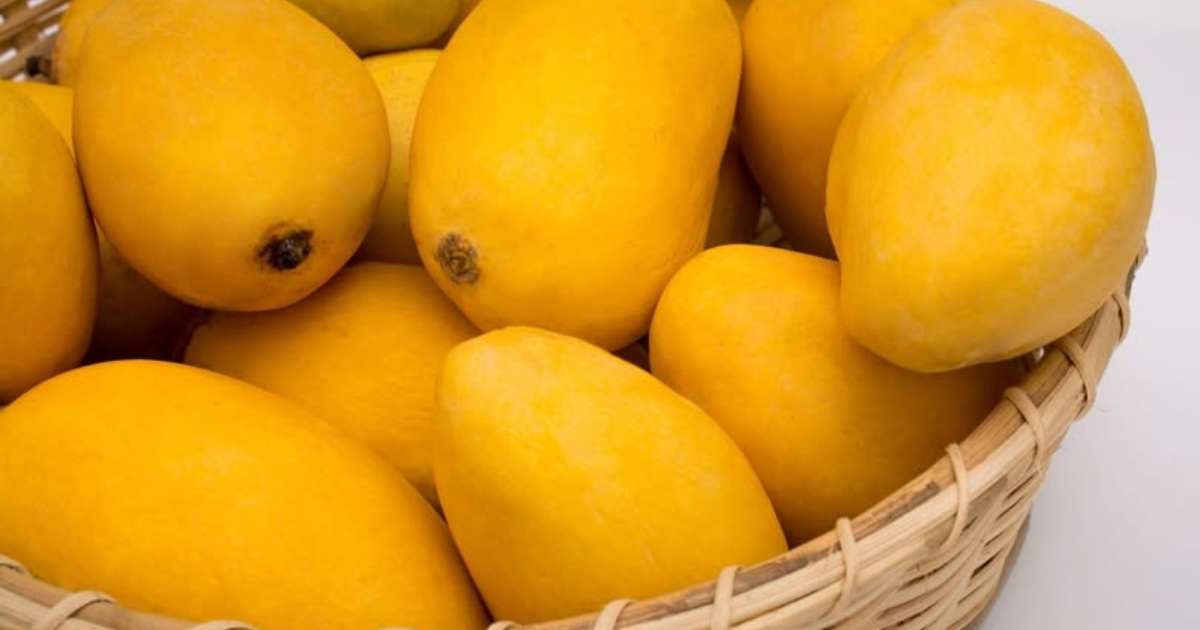
Langra (The Lame One)
This name sounds a bit harsh, but the flavour is pure heaven. The story dates back to the late 1700s in Varanasi. A beloved local farmer cultivated a unique mango tree in his orchard. Since this farmer walked with a distinct limp, locals affectionately started calling his harvest the Langra mango.
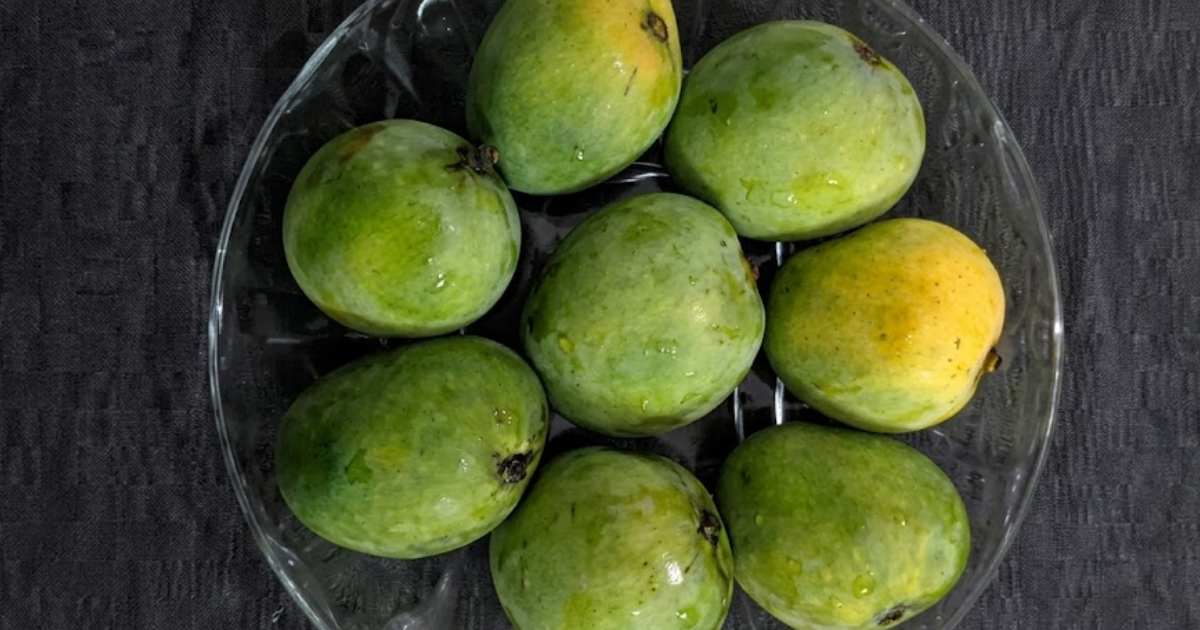
Fun fact for your next grocery run: This mango stays completely bright green on the outside, even when it is perfectly ripe and sweet on the inside!
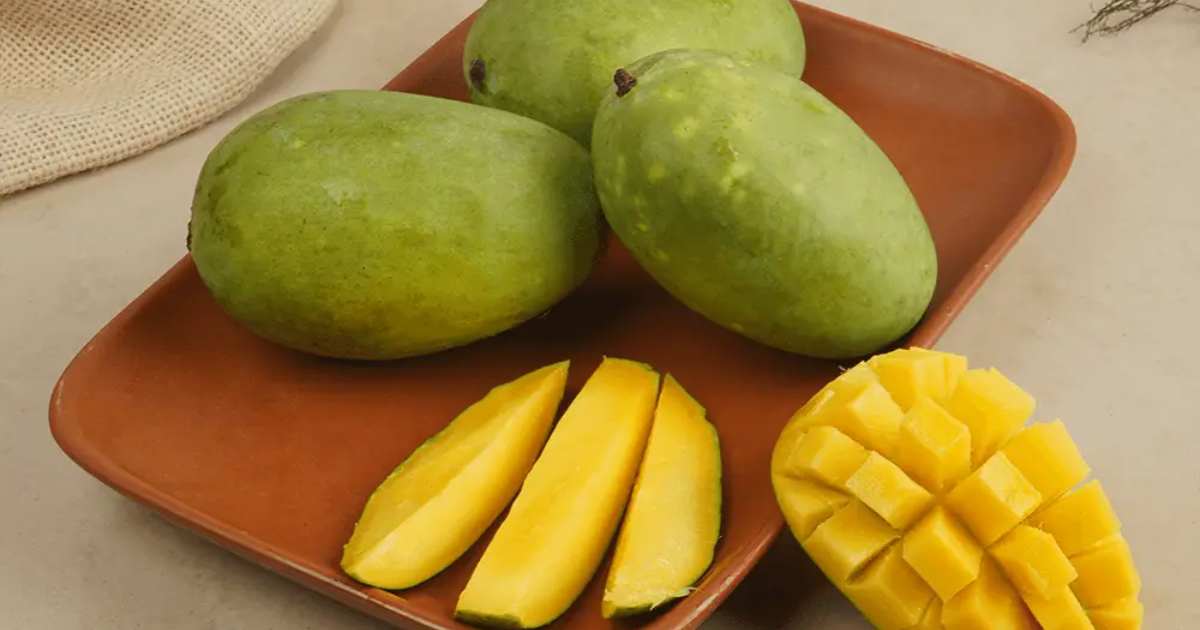
Anwar Ratol (Anwar of Ratol)
This miniature mango packs an absolute punch of aroma. It originates from a small village named Ratol in Uttar Pradesh, India. A passionate farmer named Anwar-ul-Haq first perfected the graft. During the 1947 Partition, his family migrated to Pakistan. They packed up and brought precious grafts of the tree with them. They planted them in the fertile soil of Rahim Yar Khan, creating a cross-border agricultural legacy that mango lovers still fight over today.
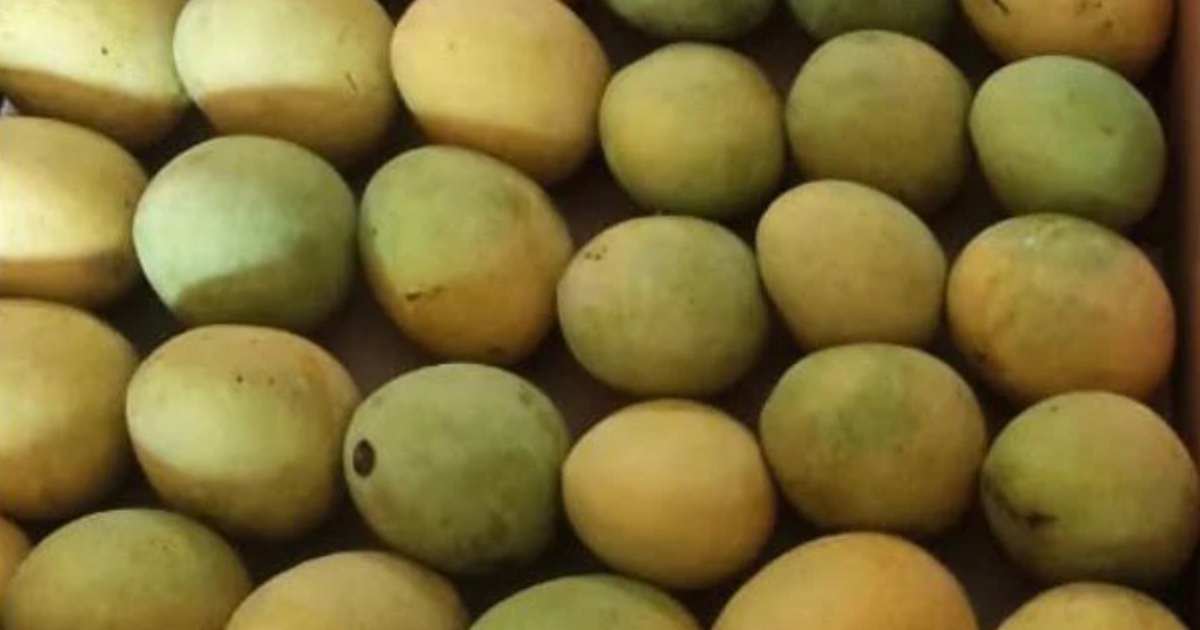
The Geography Lessons
Not all names are complex riddles. Some growers kept things super simple by naming their prized fruits after the exact soil that birthed them.
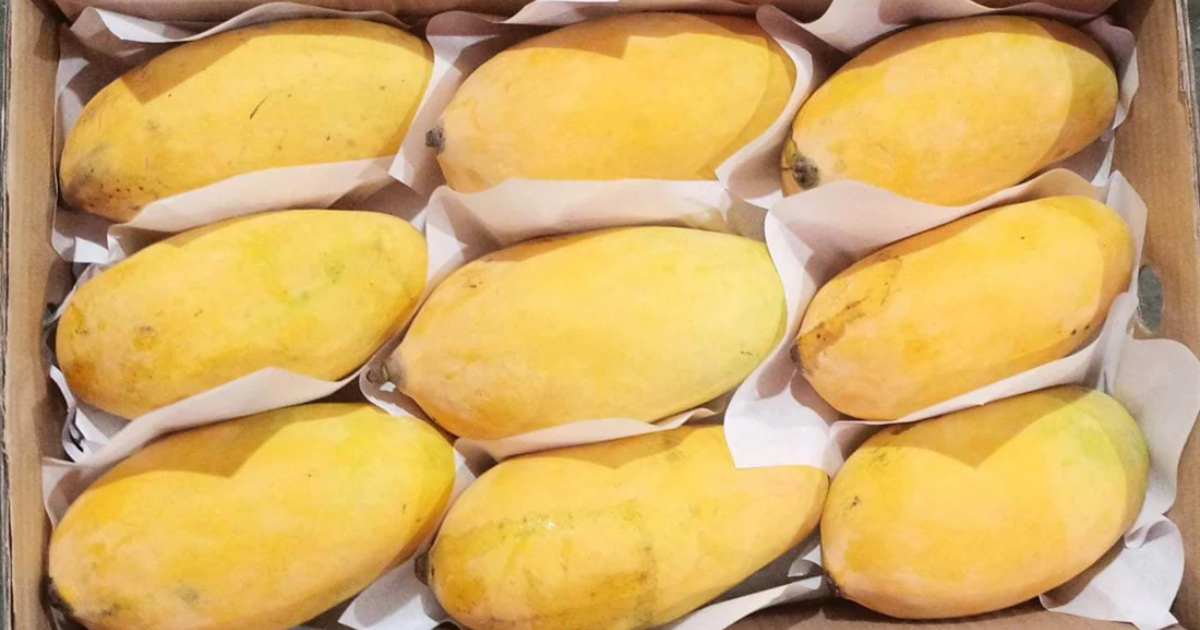
Sindhri
This giant, flawless, golden-yellow mango is the pride of Pakistan’s export market. The name simply means From Sindh. Specifically, it honours the town of Sindhri in the Mirpur Khas district. It is famous for being incredibly smooth, low in fibre, and highly photogenic.
Dusehri
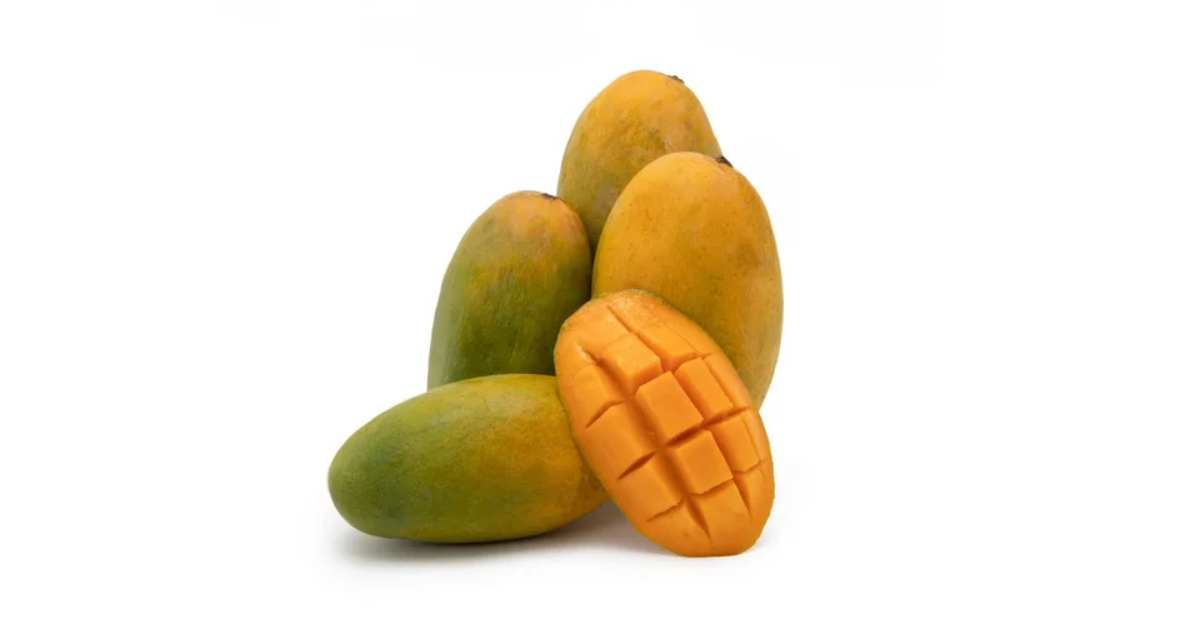
Long before this variety became a staple in the orchard hubs of Multan, it grew in a tiny village called Dussehra near Lucknow. The mother tree still stands there, proving that great taste always remembers its roots.
The Poets and the Visual Thinkers
South Asian culture loves poetry, and that romantic flair heavily influenced agriculture. Growers frequently used beautiful Urdu and Arabic terms to describe how a mango looked, smelled, or tasted.
Samar Bahisht (Fruit of Paradise)
Derived from the words Samar (fruit) and Bahisht (paradise), this is a highly elite sub-variety of Chaunsa. Farmers named it this because the texture is so exceptionally smooth and creamy that it feels heavenly.
Gulab Khas (Special Rose)
Pop open a crate of these, and the room instantly smells different. Growers named this variety for its distinct, delicate floral aroma and the gorgeous pinkish blush that creeps onto its skin.
Fajri (Morning Light)
Named after Fajr (the dawn Islamic prayer), this massive mango features a very pale, gentle golden skin. The colours mimic the soft, beautiful light of a summer sunrise.
Sweeter Than Fiction
Next time you slice into a plate of fresh mangoes, remember that you aren’t just enjoying a healthy snack. You are participating in centuries of living history! These names connect us to old battlefields, creative farmers, and poetic traditions that celebrate summer the right way. So, which historical flavour are you loading into your shopping cart this weekend?
FAQS
1. Which mango is famous in Pakistan?
Pakistan grows hundreds of mango varieties, but the Chaunsa, Sindhri, Anwar Ratol, and Langra are the most famous.
2. Is mango good for prediabetics?
Yes, mango is surprisingly good for prediabetics. While it is high in natural sugar, it also contains fibre, antioxidants, and has a moderate Glycemic Index (GI of 51). Recent clinical trials show that eating one fresh mango daily can actually improve insulin sensitivity and regulate blood sugar
3. Which mango is expensive in Pakistan?
The Miyazaki is the most expensive mango in Pakistan, commanding eye-watering prices of up to Rs300,000 (approx. $1,080) per kilogram.
Stay tuned to Brandsynario for the latest news and updates.