
















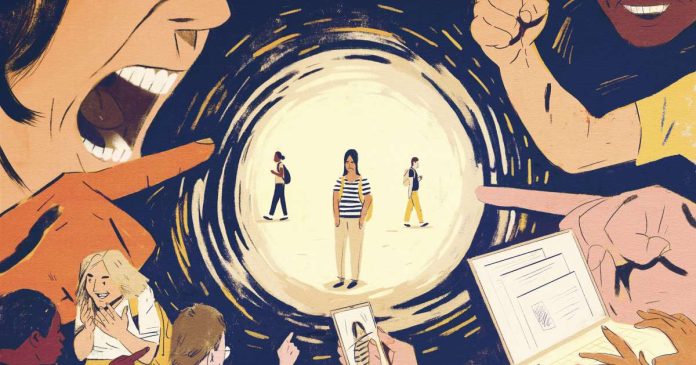

The Normalisation Trap: Building a Thick Skin
In Pakistan, the biggest problem that hinders most from stopping bullying is that people still think it is okay. A lot of parents and people in charge think that harassing others is a way to help kids become better people.
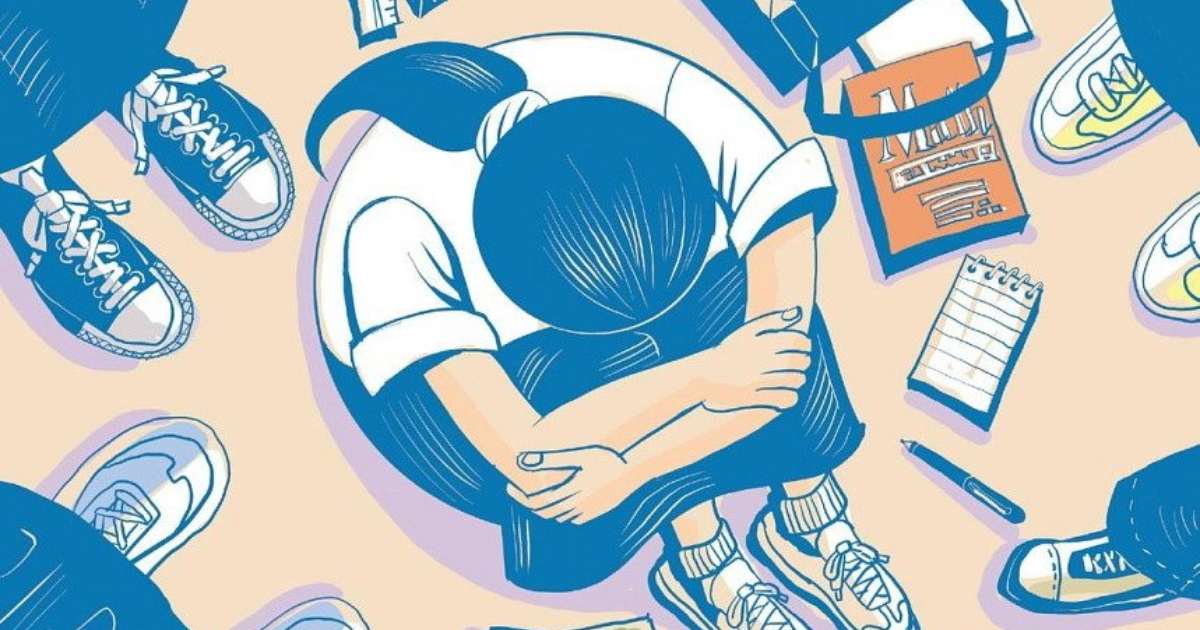
- The Resilience Myth: The idea that we have to be tough is a myth. People in charge do not think that yelling at others or hitting is a big deal. They think that if kids can deal with bullying, they will be stronger. This is not true. Being in someone’s shoes who is facing bullying does not make one stronger; it just makes one feel bad.
- The Ragging Tradition: There is a tradition at some universities where older students pick on new students. This is called ragging. People think it is not a big deal, but it is not harmless. It makes the new students fearful of interacting with others. It does not help people respect each other; it just makes people afraid.
- Dismissive Attitudes: When the victim tells others that they are facing bullying, they are often asked to be quiet. This is not helpful. It just makes the person who is doing the bullying feel like they can get away with it. It makes the kid feel like they cannot talk about what is happening to them.
The Power Dynamics of Modern Harassment
Bullying in Pakistan has evolved beyond physical strength to encompass social and digital dominance.
- Verbal and Social Persecution: Research at major universities like NUST and FAST identifies verbal bullying as the most pervasive form. Perpetrators target a student’s language, accent, or socioeconomic background to assert superiority.
- The Rise of Cyber-Aggression: The digital age introduces deepfake technology as a weapon. Documented cases show how harassers manipulate students’ photos into explicit images to ruin their reputations.
- Relational Exclusion: This tactic targets female students through rumours and deliberate social isolation. These actions often cause more psychological damage than physical altercations.
The NCA Incident and the Price of Silence
The recent exit of influencer Abdul Rehman Asim from the National College of Arts (NCA) exposes a massive institutional failure.
View this post on Instagram
-
The Dream Turned Nightmare: Asim entered the prestigious institute with high hopes but quit weeks later due to relentless bullying.
-
A Normalised Culture: His departure proved that the abuse was a structural part of the campus environment rather than a one-off event.
-
The Domino Effect: His public statement encouraged hundreds of students to share similar stories. This wave of accounts proves that elite institutions often harbour the most toxic environments.
Alarming Statistics: A Public Health Crisis
Current data provides a grim outlook on the Pakistani educational landscape.
-
Surpassing Global Averages: Approximately 41% of Pakistani students experience bullying, significantly higher than the global average of 33%.
-
Peak Vulnerability: Harassment peaks between grades 8 and 10. This critical age for identity formation makes the impact of trauma permanent. However, bullying does not just end at school, since the Abdul Rehman Asim NCA incident, many students have become vocal about ragging in university.
-
Sector Disparity: Public schools report a 54% prevalence, while elite private schools follow closely at 46%. These figures prove that wealth and prestige offer no protection.
The Failure of Institutional Accountability
Prestigious institutes often prioritise their brand over student safety.
- Policy Gaps: Many top-tier schools in Sindh and Punjab lack any official anti-bullying policy. They simply claim the problem doesn’t exist.
- Victim Blaming: In cyberbullying cases, schools blame the victim’s social media presence instead of punishing the harasser.
- Lack of Training: Schools rarely train teachers to spot covert bullying. Consequently, staff miss the signs of social exclusion and psychological warfare until it is too late.
The Mental and Academic Toll
The consequences of this culture follow students into their adult lives.
-
Academic Decline: Nearly 20% of bullied children see their grades drop. Many eventually drop out or switch to homeschooling to escape the trauma.
-
Severe Health Issues: Victims suffer from chronic anxiety, insomnia, and psychosomatic pains like severe headaches.
-
Suicidal Ideation: In urban centres, where social media amplifies public shaming, experts see a direct link between bullying and thoughts of self-harm.
What can be done to Prevent Bullying?
To prevent bullying in Pakistan’s elite institutes, we must shift the focus from protecting a school’s good name to protecting its students. Real change requires systemic reform, not just awareness seminars.
1. Mandating Enforceable Policies
Most Pakistani institutes operate in a legal vacuum. The government must mandate that every registered school and university implement a visible, written anti-bullying code.
- Clear Definitions: Policies must specifically define physical, verbal, and cyber-aggression (including deepfakes).
- Safe Reporting: Schools must establish anonymous, third-party channels so students can report abuse without fear of retaliation from seniors or faculty.
- Strict Consequences: Outlining non-negotiable penalties, such as suspension or expulsion, ensures that a student’s family status does not grant them immunity.
2. Faculty and Teacher Training
Teachers are the first line of defence, but often lack the tools to spot covert bullying.
- Identifying Red Flags: Staff need training to recognise behavioural shifts, such as sudden academic decline or social withdrawal.
- Digital Literacy: Educators must learn how to handle digital evidence and support victims of online shaming effectively.
3. Culture Shift and Mental Health
We must replace the resilience myth with a culture of empathy and support.
- Counselling Services: Institutes must provide professional, confidential mental health support to help victims heal and address the insecurities of potential bullies.
- Dismantling Ragging: Universities should replace toxic initiation rituals with structured mentorship programs that hold seniors accountable for the well-being of juniors.
- Parental Engagement: Regular workshops can help parents recognise signs of distress, ensuring the toughen up narrative at home doesn’t undermine school safety efforts.
By prioritising transparency over prestige, Pakistan can transform its biggest institutes into truly safe spaces for learning.
Pakistan cannot continue to build its educational prestige on the broken confidence of its students. As long as our largest institutes prioritise reputation over reform, bullying will remain an open wound.
True change requires mandatory, enforceable anti-bullying laws and a fundamental shift in how we define resilience. We must stop asking our children to grow a thick skin and start demanding that our institutions grow a conscience.
Stay tuned to Brandsynario for latest news and updates.