















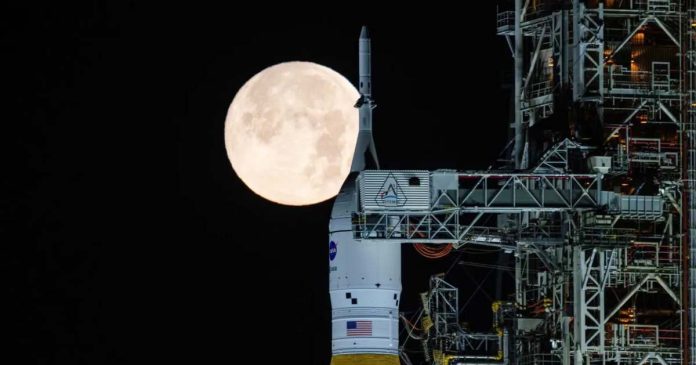

After half a century, humanity is finally heading back to the Moon. This time, it’s not just about planting a flag. Artemis II is set to initiate a new chapter in space exploration with a mission that goes beyond a single lunar visit.
A Return That Changes the Game
After the Apollo era, this is NASA’s first crewed mission. Four astronauts will bravely set out for a 10-day journey orbiting the Moon. Past missions focused on landing, but this one centres on testing advanced flight systems. The astronauts will also perform safety checks and simulate key operations. Through this, Artemis II is laying the groundwork for full Moon landings planned later this decade.
The four-member crew comprises three Americans and one Canadian astronaut.
- Reid Wiseman (commander)
- Victor Glover (pilot)
- Christina Koch (mission specialist)
- Jeremy Hansen (mission specialist, Canada)
This mission marks several firsts for space travel. It is the first time a woman, a Black astronaut, and a non-American will travel to the moon. This mission redefines inclusivity in space exploration.

Why the Moon Matters
Many regard the moon as a lifeless, dusty orb. However, scientists believe that it may possess valuable resources. These resources would be critical for NASA to move towards long-term missions.
These resources could be:
- Water trapped in shadowed craters
- Rare earth elements
- Metals like iron and titanium
- Helium
The most critical of these would be water. Water changes the game completely as it supports life and can be converted into fuel. This is why Artemis II plays an invaluable role in building a sustainable human presence beyond Earth.
A New Space Race Has Begun
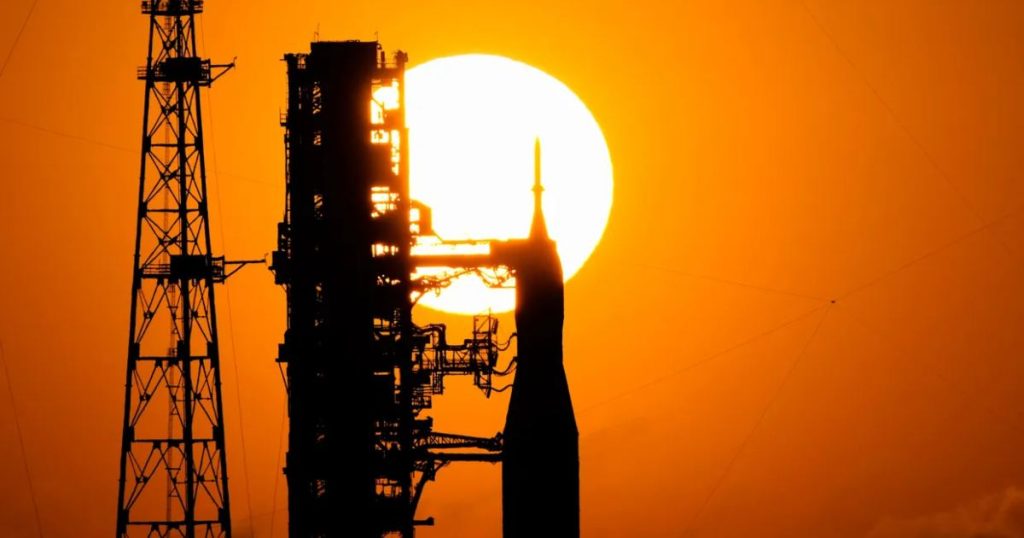
Space exploration used to be a simple matter of discovery. It has now evolved into a strategic segment as countries are racing to secure space dominance.
China has made swift progress with lunar missions and aims to land humans on the Moon as early as 2030. Hence, Artemis II comes with hefty geopolitical implications. Nations are racing to beat each other to specific lunar regions, specifically those rich in resources.
International space treaties clearly state that no nation can claim sole ownership of the moon. However, it is permissible to operate on its surface. Securing a desirable location would define power in space in the future.
The Future of Deep Space Travel
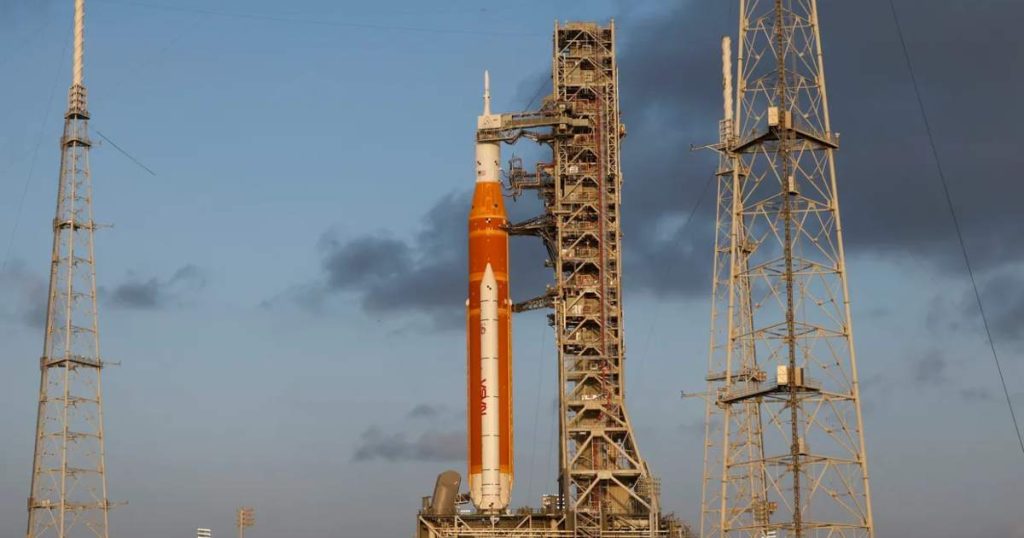
Artemis II is designed as a test flight. It will validate systems used for long-term missions, including those aiming for Mars. Through it, astronauts will be able to travel further and for longer.
The mission will:
- Test life-support systems on the Orion
- Simulate docking and navigation procedures
- Perform deep-space navigation checks
- Use a “free-return” trajectory for safe return
The most critical moment of the mission will be when communication drops as the spacecraft moves behind the Moon. This will be a test of the spacecraft as well as the crew in real deep-space conditions.
From the Moon to Mars
Artemis II is just the beginning. NASA plans to use the moon as a testing ground for future Mars missions. Scientists will be able to figure out tricky hurdles such as radiation exposure and extreme temperatures.
Missions like Artemis II will lead to newfound interest in science and technology. It is a reminder of the boundless scope of human ambition. The journey is not about reaching the Moon; it is about using it as a pitstop for the next giant leap.
Stay tuned to Brandsynario for latest world news and updates