
















The situation in the Gulf has taken a turn for the worse as the United States prepares to enforce a Strait of Hormuz blockade. This follows the abrupt failure of the high-stakes negotiations between the United States and Iran in Islamabad.
The move following the marathon talks signals a shift from diplomacy to military pressure. 21 hours of diplomacy failed to resolve disagreements that were far too deep-rooted. The sore point of the conflict is Iran’s nuclear ambitions, which is something neither side plans to back down from.
Diplomacy Breaks Down in Islamabad
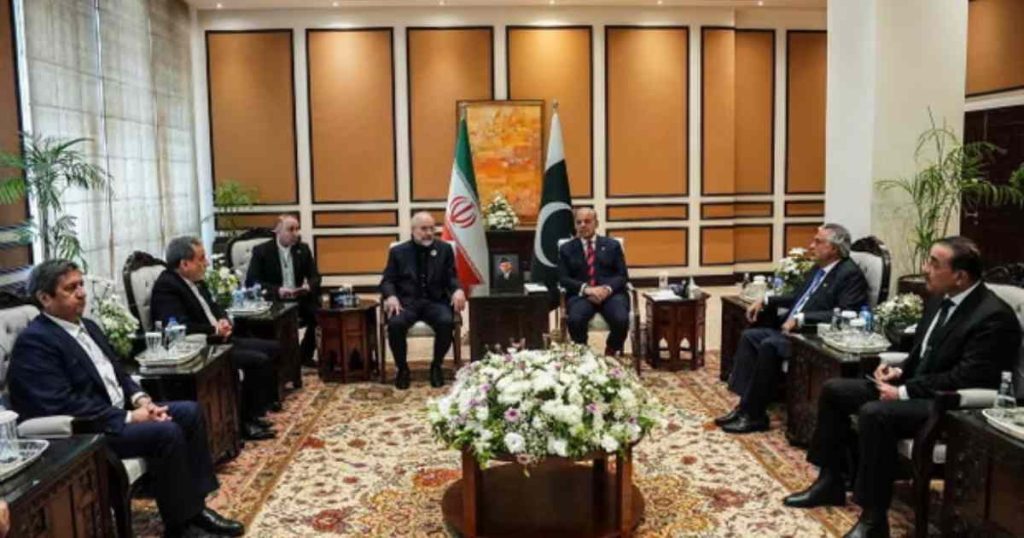
The negotiations were the most direct engagement between the two countries in decades, but ended without any meaningful consensus. US officials insisted on a complete halt to Iran’s nuclear development, while Tehran demanded trust-building measures from Washington.
US Vice President JD Vance stated, “We need to see an affirmative commitment that [Iran] will not seek a nuclear weapon.” Pakistan urged both nations to maintain the fragile ceasefire. Officials urged continued dialogue, but tone fluctuations suggest that the immediate outlook seems haphazard.
What the Strait of Hormuz Blockade Means
The proposed Strait of Hormuz blockade is an alarming escalation, and the far-reaching consequences will be tremendous. The Strait handles 20% of the global energy supply and is responsible for a significant portion of the world’s oil shipments.
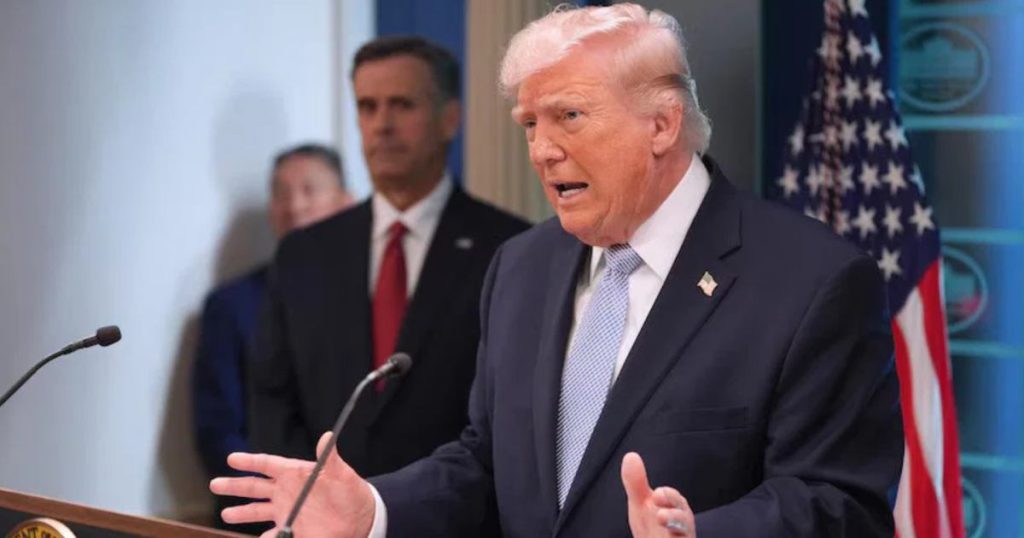
US President Donald Trump stated, “Effective immediately, the United States Navy, the Finest in the World, will begin the process of BLOCKADING any and all Ships trying to enter, or leave, the Strait of Hormuz,” adding that “Any Iranian who fires at us, or at peaceful vessels, will be BLOWN TO HELL!”
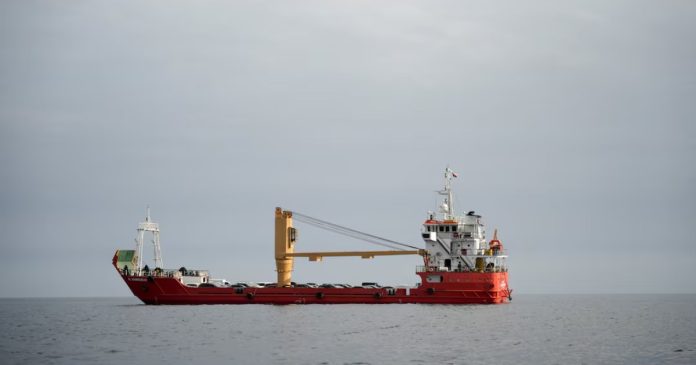
The US Navy will begin intercepting vessels linked to Iranian toll payments. Authorities expect mine-clearing operations in high-risk zones, while delays and rerouting will hit commercial shipping. The US stated that any ships heading to non-Iranian ports will not face any obstructions, but the uncertainty has already caused rifts in shipping patterns as vessels avoid the route altogether.
Iran Responds
The IRGC has issued a firm warning in response to the Strait of Hormuz blockade. They warned that any attempt to enforce a blockade on the waterway would be treated as a violation of the ceasefire.
Iranian officials maintain that the strait is within their control, and criticised US negotiation tactics. Iran described the approach as “maximalism, shifting goalposts and blockade,” which demonstrates the mistrust on both sides.
Blunt warnings on both sides rekindle fears of a military clash as naval forces remain active in the region.
Oil Markets React
The announcement evoked a reaction from global markets within hours. Oil prices surged as supply anxiety was reflected in the sharp trading rise.
- US crude rose to $104.24 per barrel (up 8%)
- Brent crude climbed to $102.29 (up 7%)
Global energy markets rely heavily on the Gulf to remain stable. With the Strait of Hormuz blockade now underway, volatility in prices is expected.
What’s Next?
The cost of the conflict is not only monetary. The conflict has killed thousands across multiple countries and decimated local infrastructure. Diplomatic channels struggle to maintain stability as officials expect another round of talks. However, hopes are dim as escalation seems more probable than resolution.
The Strait of Hormuz blockade would mark a fresh and grim chapter in regional dynamics. The limits of global energy may be put to the test in the weeks ahead.
Stay tuned to Brandsynario World for latest news and updates