
















The world is frantic to see the Strait of Hormuz reopen. It is proving to be one of the toughest geopolitical challenges in recent memory.
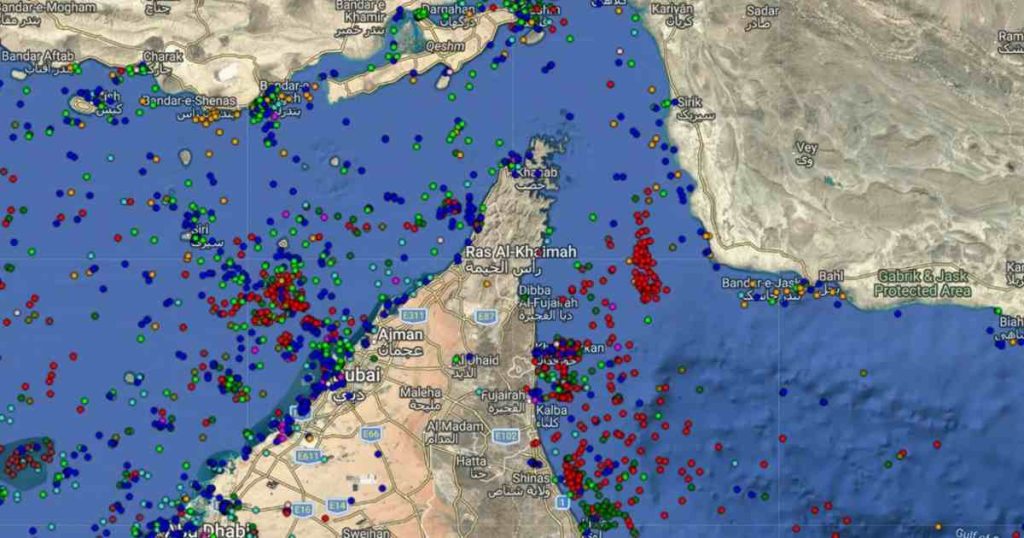
Tensions between the U.S., Israel, and Iran in late February have pushed this critical waterway to a near standstill. Iran claims it has not fully blocked the oil corridor, but the risks have effectively halted shipping activity. Due to this, the Strait of Hormuz remains unstable and difficult to secure.
Massive Risks Leave No Room for Error
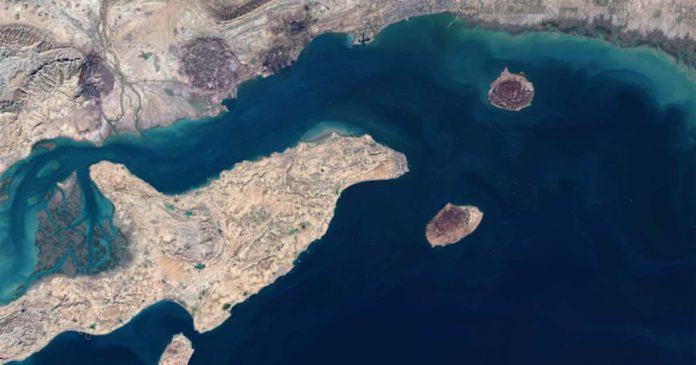
The most daunting obstacle is the geography. The Strait of Hormuz is already incredibly narrow. At its narrowest, it is only about 21 miles wide, and shipping lanes get compressed even more.
This brings up immediate risks.
- Ships having to move through predictable routes
- Tankers become easy targets from nearby coastlines
- Reaction time during attacks drops to just minutes
Iran also holds a coastal advantage that adds to the complexity. The proximity makes it almost impossible to guarantee safe passage without large-scale military intervention.
Modern Warfare Shifts the Balance
The nature of conflict in the Strait of Hormuz is not only about large fleets. Rather than relying only on traditional naval power, Iran employs flexible, low-cost tactics. These are even harder to counter.
There are several ways that this poses threats.
- Drones being launched from hidden locations
- Fast-attack boats capable of quick strikes
- Missiles stored in tunnels and coastal terrain
- Possible naval mines, even if only suspected
Even the mere possibility of mines can halt shipping. Clearing them is a slow and risky process that can take weeks. Drones remain difficult to eliminate as they can be deployed from virtually anywhere.
Insurance Crisis Fuels the Shutdown
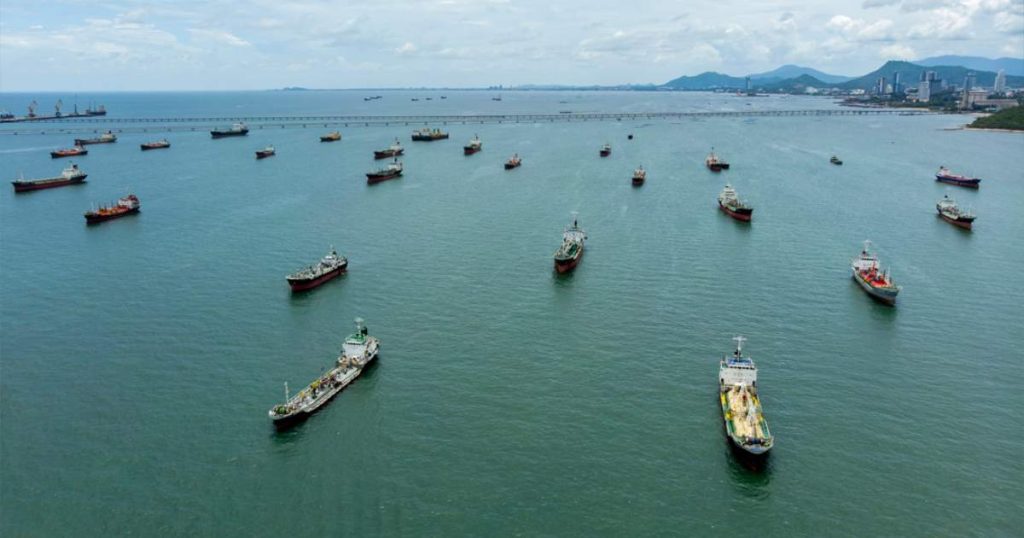
This situation isn’t confined to just military risks. Financial systems have added to the tensions as the Strait of Hormuz faces an “insurance-driven shutdown.”
Multiple factors are to blame for this situation.
- Withdrawal of war-risk insurance by major firms
- Shipowners refusing to enter high-risk zones without protection
- Global oil and LNG supply chains are disrupted
With nearly 20% of the world’s energy passing through this route, the financial consequences have been grave. Oil prices have soared to $110 per barrel, and spikes have reached up to $126. This ripple effect proves that reopening the strait is not just a military issue, but a financial concern with global consequences.
Why Military Intervention Isn’t Straightforward
The obvious solution to this would be military intervention, but the reality is far more complex. If the military were to consider reopening the Strait of Hormuz, the approach would be two-phased.
Phase 1
- Target drone launch sites and missile systems
- Disrupt surveillance and command infrastructure
- Reduce Iran’s ability to strike vessels
Phase 2
- Deploy surveillance aircraft and naval patrols
- Escort vessels through the strait
- Maintain constant monitoring across nearby waters
This approach comes with daunting risks. To put this into action, ground operations along Iran’s coastline would be required. This would aggravate the situation even further.
Final Thoughts
The lack of international unity is what crosses out any possibility. The U.S. has issued deadlines, but allies remain cautious about entering an active conflict zone. All of this is a bleak reminder that the matter of reopening the Strait of Hormuz extends to geography, economics, and politics all at once.
As governments rush to address these layers, the world’s most critical shipping lane remains under pressure.
Stay tuned to Brandsynario for latest news and updates