











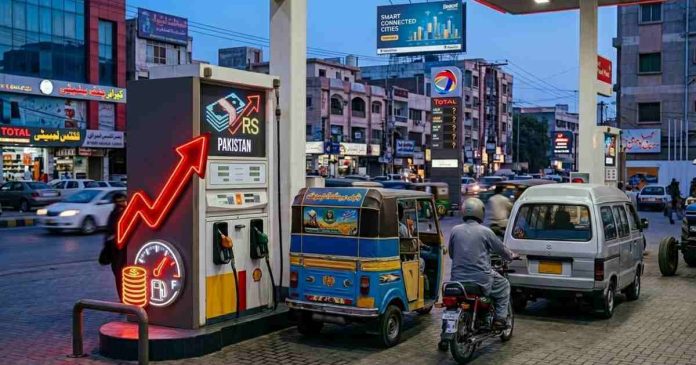

Consumers need to brace themselves for another jolt. Petrol prices in Pakistan are headed for another major increase within days, approximately by Rs100 per litre.
After weeks of holding back increases, the government is now ready to pass on rising global costs to consumers. Officials are planning targeted relief to lessen the burden, especially for selected groups.
Why Petrol Price in Pakistan Are Rising Again
Global oil markets refuse to go down, pushing import costs higher for Pakistan. As global oil rates hover around $106-$108 per barrel, the situation has become unsustainable.
As a result, the current petrol price in Pakistan has reached Rs. 321.17 per litre as of April 2, 2026.
The government has already spent over Rs 129 billion in subsidies to keep petrol prices stable. This cushion is running out rapidly, with a cap of Rs 158 billion, and authorities have little room to absorb further shocks. Where the previous price was Rs. 300 to Rs. 315 per litre, petrol currently carries an estimated gap of around Rs 100 per litre.
Subsidy Shift
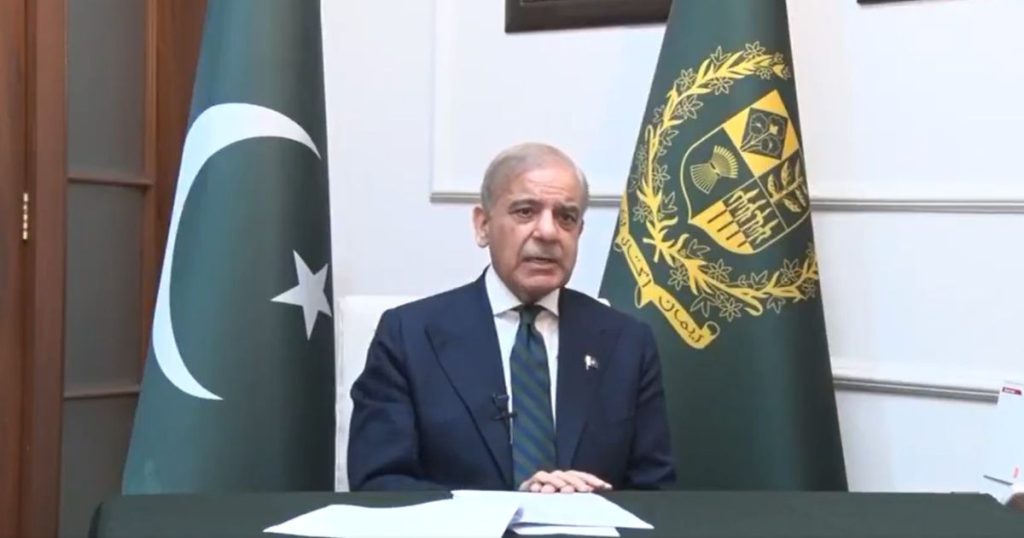
Instead of support that extends to all, the government is focusing on targeted subsidies. This means that only specific groups will receive relief on petrol prices.
The plan includes:
- Subsidised fuel for bikers and rickshaw drivers
- Diesel support for farmers via provincial databases
- Possible tech-based rationing mechanism for eligible users
This approach will reduce fiscal pressure and protect the vulnerable. However, the general public will face higher fuel costs.
Centre vs Provinces
Intense discussions are underway between the federal and provincial governments. The federal government is not willing to shoulder the subsidy alone, and provinces have been asked to contribute based on population and consumption patterns.
Due to their size, Punjab and Sindh may contribute more. KP and Balochistan would share costs based on fuel consumption. As of now, disagreements persist over how much the increase in petrol prices should be passed on.
Provinces have been reluctant towards full price hikes due to political risks. However, some prefer the adjustments if they come with targeted aid.
Inflation Ripple Effect
Fuel price hikes aren’t limited to fuel stations. They soon spill over into other costs, especially essential goods.
The biggest risks are:
- Increased transportation costs
- Higher prices for perishable food items
- Pressure on already strained household budgets
Provinces have agreed not to increase BRT fares. Regardless, disparities between urban and rural populations could widen.
What Happens Next?
While targeted subsidies may make things easier for some, most consumers need to be prepared to adjust their budgets.
With this price hike, Pakistan will be entering a delicate phase where economic realities and politics clash with one another. The revised prices will affect the broader cost of living for the nation.
Stay tuned to Brandsynario Pakistan news and updates