
















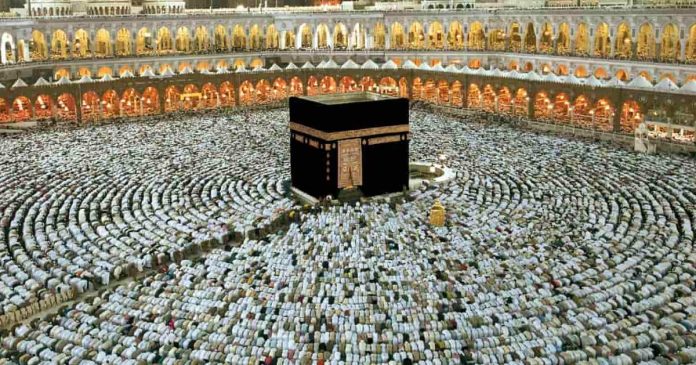

One of the biggest logistical and spiritual events on Earth is presently taking place in Makkah and Madinah. Managing millions of moving individuals in small areas offers heretofore unheard-of safety difficulties. To deal with this, Saudi Arabia is putting in place a tech-driven, ambitious infrastructure for the Hajj season 1447 AH (2026). The Kingdom has included real-time digital mapping, autonomous planes, and artificial intelligence into its security and crowd-management systems.
Directly in line with Saudi Vision 2030’s modernisation objectives, this great technological shift converts the holy pilgrimage into a very organized, smart activity.
Aerial Surveillance and Border Enforcement
Saudi security forces are utilising advanced airborne technology to maintain strict order across the holy sites. The General Directorate of Civil Defence has deployed specialised drones and fixed-wing aircraft to monitor expansive geographical areas in real time.
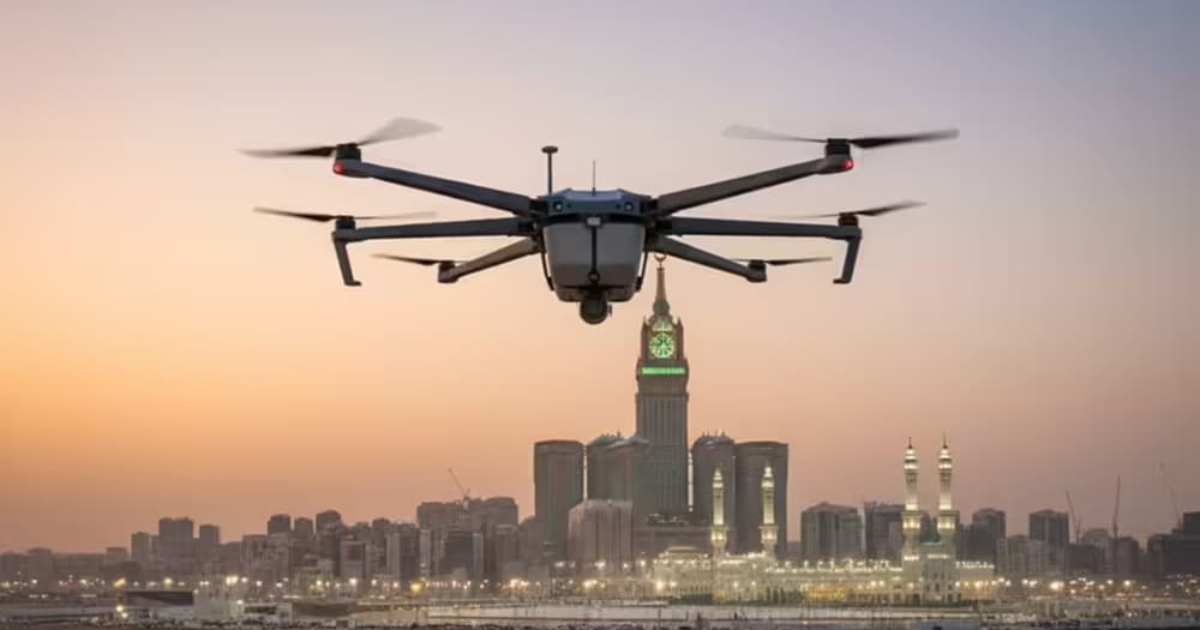
- Enforcing Regulations: Authorities are operating under the strict slogan, No Hajj without a permit. Drones actively track and help apprehend individuals attempting unauthorized entry into the holy sites.
- Immediate Alerts: The aerial fleet provides instantaneous data feeds to ground teams. Consequently, field units receive immediate alerts regarding suspicious movements and illegal infiltration attempts.
- Chemical and Radiation Detection: In addition to security monitoring, specialised drones carry sensors to detect chemical and radioactive materials. This capability significantly improves preventive safety measures and speeds up field response times.
AI-Driven Crowd Control and Infrastructure
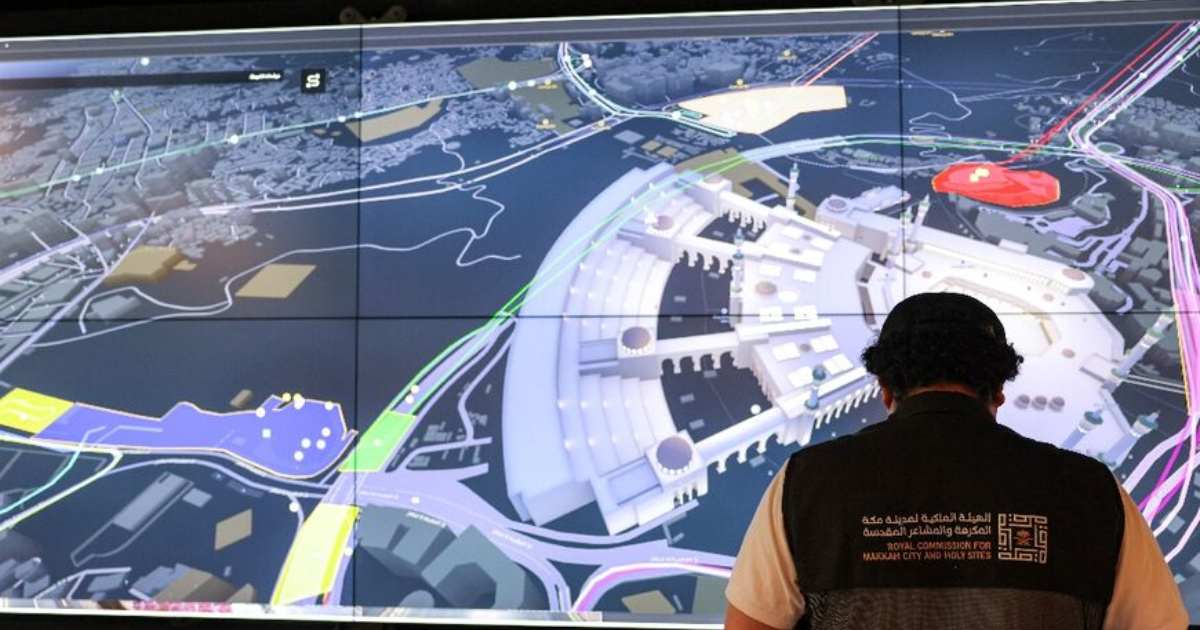
Artificial intelligence serves as the primary backbone for predicting and preventing logistical bottlenecks. By processing live data feeds, smart networks keep the massive influx of pilgrims moving safely without overcrowding.
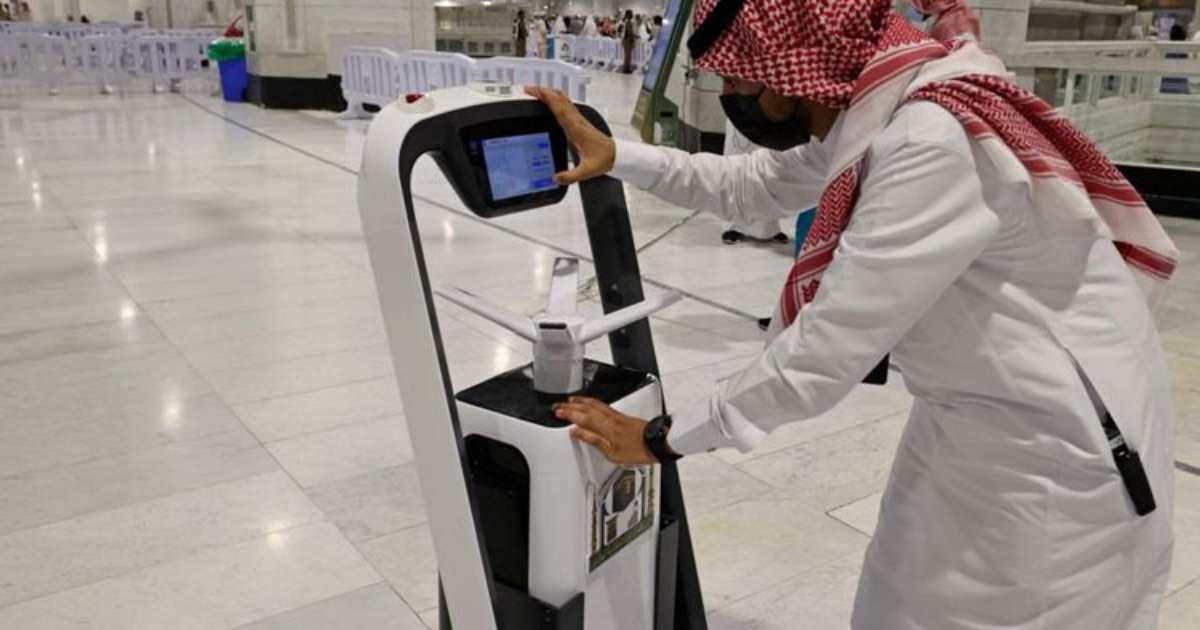
- Predictive Congestion Analysis: Advanced AI systems analyse crowd density in real time. Therefore, the system predicts congestion before it happens and allows operators to redirect pilgrims away from overcrowded bottlenecks.
- Facial Recognition: Security forces have integrated facial recognition technology into high-resolution surveillance networks. This tool strengthens security checks and helps identify individuals rapidly within massive crowds.
- Smart Tunnel Systems: Makkah’s rugged mountains feature an extensive network of 62 tunnels stretching over 36.3 kilometers. This subterranean infrastructure utilises an integrated smart technology framework. Over 326 real-time surveillance cameras and smart sensors monitor traffic, while 513 jet fans automatically adjust to maintain optimal air quality.
Interactive Localisation and Smart Maps
Navigating the massive holy mosques can easily overwhelm first-time visitors. To streamline movement, authorities have introduced digital and physical tracking systems this season.
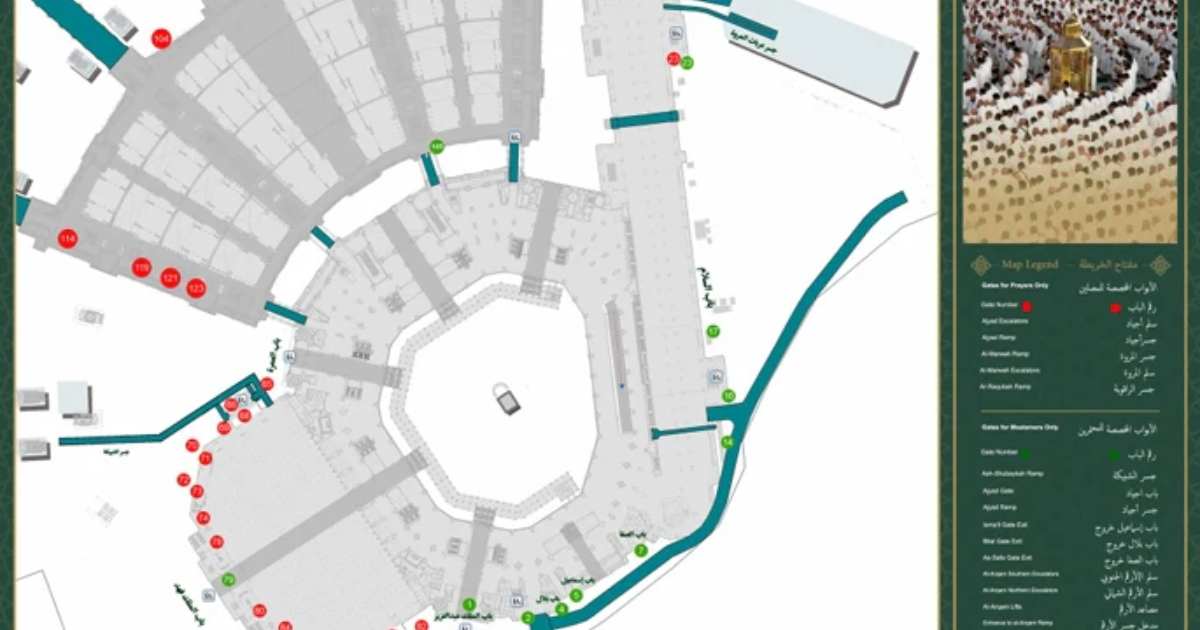
- Digital Pocket Guides: The General Authority for the Care of the Affairs of the Grand Mosque and the Prophet’s Mosque launched interactive digital maps. Pilgrims can access these maps directly through official social media channels. The platform allows users to instantly locate essential services, including specific entry gates, restrooms, and Zamzam water distribution points.
- Colour-Coded Ground Tracking: Inside the Grand Mosque, authorities implemented a physical color-coding system on the ground-floor columns. This system divides massive prayer spaces into easily recognisable zones.
- Synchronised Signage: Workers installed 84 newly designed directional signs across the Sa’i area. These visual markers synchronize directly with main walkways and historical landmarks to ease navigation during peak operational hours.
Digital Border Processing and Media Solutions
The technological upgrade begins the moment pilgrims arrive in the Kingdom. Government agencies are maximising digital efficiency at primary transit hubs to reduce processing delays.
-
Rapid Airport Entry: The Saudi Data and Artificial Intelligence Authority (SDAIA) upgraded its network workstations and digital platforms at Jeddah, Madinah, and Taif international airports. Technical teams work around the clock to ensure seamless, high-efficiency processing for incoming global travelers.
-
AI Media Solutions: The Hajj Management Authority introduced advanced technological and AI innovations specifically for international press outlets. These systems accelerate information dissemination and elevate content creation standards for journalists covering the events.
-
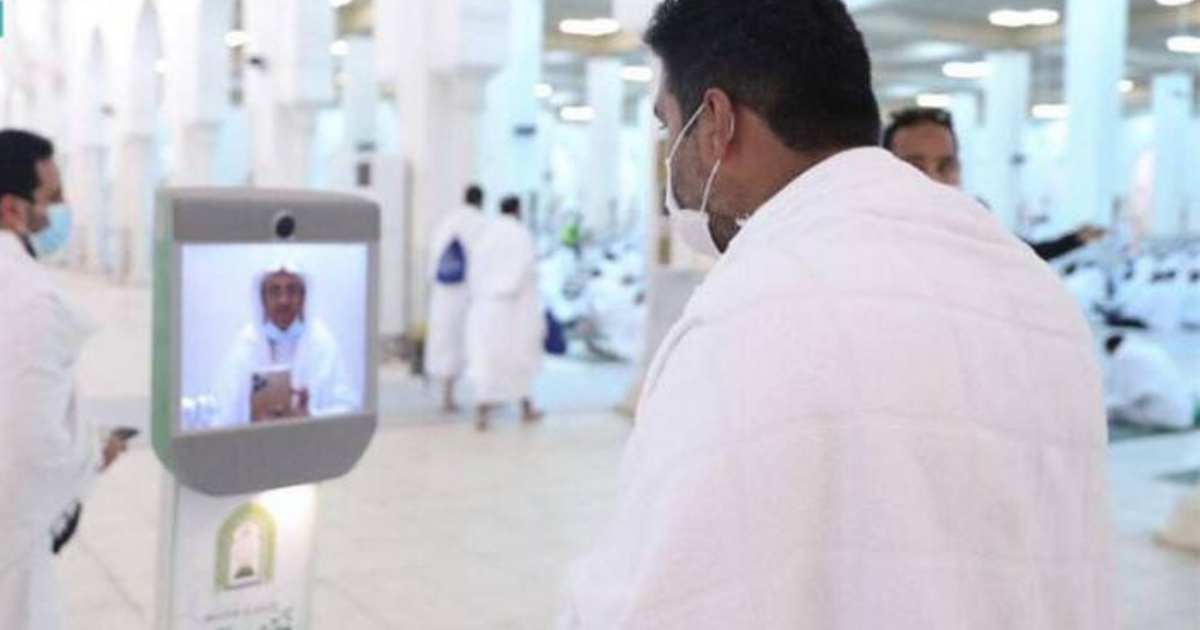
Virtual Scholar Broadcasts: The Ministry of Islamic Affairs launched advanced digital streaming platforms. Top Islamic scholars broadcast educational programs, such as Hajj According to the Sunnah, to guide pilgrims on verified rituals and prevent common errors.
Automated Medical Care and Smart Lodging
Field safety also extends to automated emergency healthcare and highly advanced structural engineering in pilgrim residential zones.
-
The Stroke Pathway Protocol: The Madinah Health Cluster stationed fully equipped mobile medical units along primary transit thoroughfares. Proving the efficiency of this system, the Saudi Red Crescent Authority recently responded to a critical medical emergency at the Prophet’s Mosque. Using the automated “stroke pathway protocol,” emergency teams reached a 57-year-old pilgrim and initiated preliminary treatment within just one minute and 39 seconds.
-
The Smart Tent City: Mina transforms annually into the world’s largest tent city, spanning 2.5 million square metres to accommodate 2.6 million pilgrims. This massive compound relies on advanced Saudi industrial engineering. The structures utilize Teflon-coated fiberglass fabrics to resist intense heat, fire, and shifting weather conditions. Furthermore, the entire complex operates on an integrated framework of automatic alarms and smart fire suppression networks.
At Hajj 2026, the widespread use of artificial intelligence, automated drone surveillance, and interactive mapping signals a turning point in managing large crowds. Saudi Arabia has effectively transformed conventional religious logistics into a very responsive, data-driven system. These digital technologies guard millions of visitors by speeding up emergency medical responses, lowering crowding, and securing perimeter borders. In the end, this application of advanced technology underscores the importance of modern digital infrastructure in preserving human safety at the world’s largest events.
Stay tuned to Brandsynario for latest news and updates.