

















Updated June, 2026
Key Takeaways
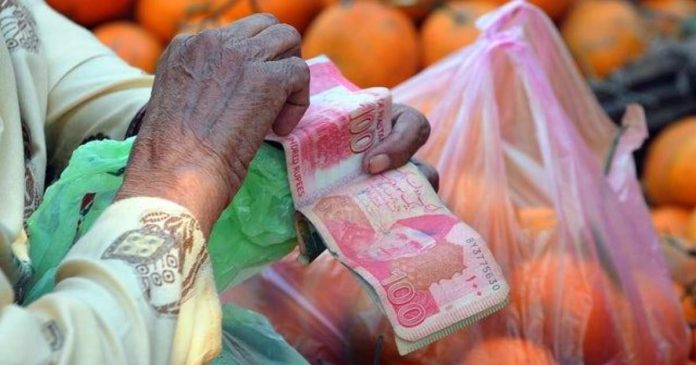
- Pakistan’s salaried middle class is increasingly becoming the most vulnerable group in the country’s economic crisis.
- Workers earning between Rs150,000 and Rs200,000 per month often do not qualify for charitable assistance yet struggle to cover basic living expenses.
- Rising utility bills, food inflation, transportation costs, and stagnant salaries are rapidly eroding purchasing power.
- More than half of salaried professionals report fearing job loss if they ask for salary increases.
- The decline in middle-class spending is affecting retail, manufacturing, and overall economic growth.
Why Is Pakistan’s Salaried Class Struggling Despite Economic Support Programs?
Pakistan’s economic support system largely focuses on two groups:
- The poorest households through welfare programs, subsidies, Zakat, and charitable networks.
- Large institutions through government bailouts and financial assistance.
However, the salaried middle class, often referred to as the Safed Posh segment, falls between these two categories.
While Pakistan receives approximately $40 billion in annual remittances and nearly $1 billion in Zakat contributions, these support mechanisms rarely reach salaried professionals whose incomes exceed aid eligibility thresholds but remain insufficient to meet rising living costs.
This creates a growing financial gap for middle-income households.
The Philanthropy Paradox and the Burden of Status
Though it inadvertently separates the middle class, Pakistan’s strong culture of informal giving is a lifeline. Charitable foundations set their standards to help those living in poverty. So, a white-collar worker with a set monthly income cannot receive institutional help. Families cannot ask for Sadqa or Zakat because of social expectations and their own strong sense of dignity.
 This situation makes the middle class have to suffer the effects of hyperinflation without any safety net. People have to satisfy set, obvious costs if they want to keep their professional employment. These expenditures cover:
- Urban housing rent
- Electricity and gas bills
- Private school fees
- Transportation costs
- Professional clothing
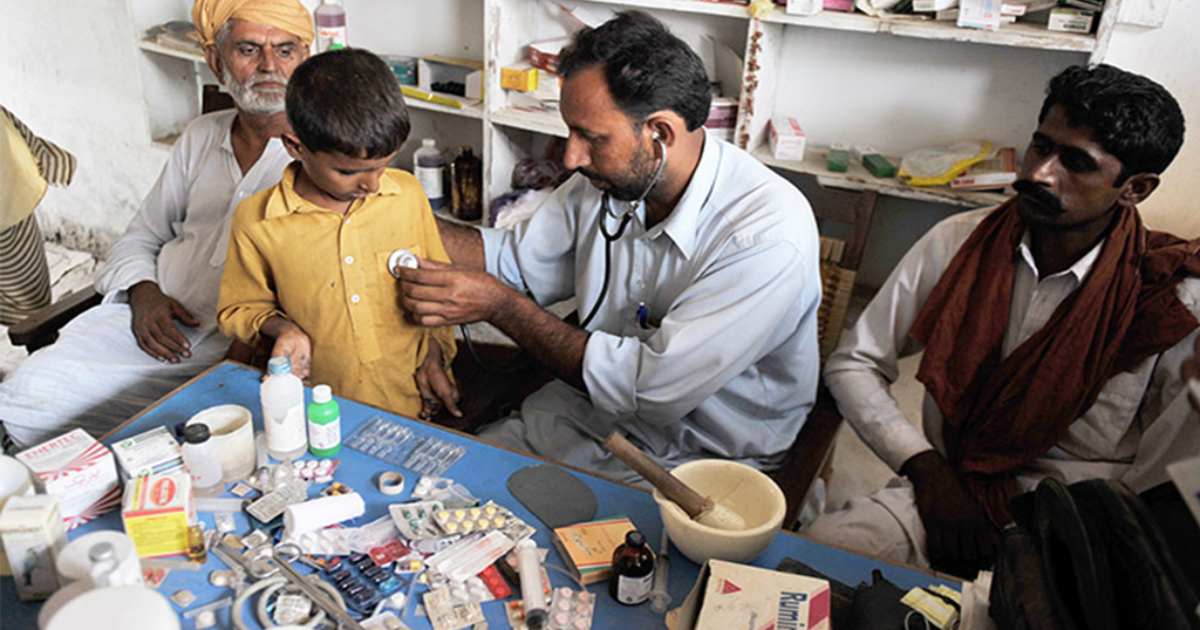
- Healthcare expenses
Compromises in these areas usually indicate professional collapse. A rising number of workers depend mostly on debt to handle the pressure. Corporate human resources departments note an unheard-of increase in staff members asking for wage advances. Just to get through the last month, workers often borrow money from unofficial sources.
The Cannibalised Household Budget
A comparison of urban consumer surveys between 2020 and 2025 reveals a rapid destruction of disposable income. Fixed survival costs have completely swallowed the capital that families previously used for savings, healthcare, and upward mobility.
- The Utility Surge: In 2020, only 15% of middle-class households spent over Rs 30,000 monthly on electricity and gas. Today, that figure exceeds 40%. Electricity bills alone now routinely consume one-quarter to one-third of a professional’s net take-home pay.
- The Food Basket Crisis: Five years ago, an average monthly grocery bill ranged from Rs20,000 to Rs30,000. Currently, over 50% of middle-class families spend well above Rs50,000 per month on basic food staples. Nutrition now requires more than double the previous capital allocation.
- The Mobility Barrier: Transportation costs prevent routine workplace attendance. App-based ride fares jumped 40% in early 2026 alone. Alarmingly, out of 284 salaried professionals surveyed in urban centres, only two receive fuel or transport allowances from their employers.
Corporate Salaries Fail to Keep Up with Inflation
The crisis intensifies because corporate compensation structures remain completely frozen. Employees face a rigid corporate environment that offers no mechanism to negotiate against inflation.
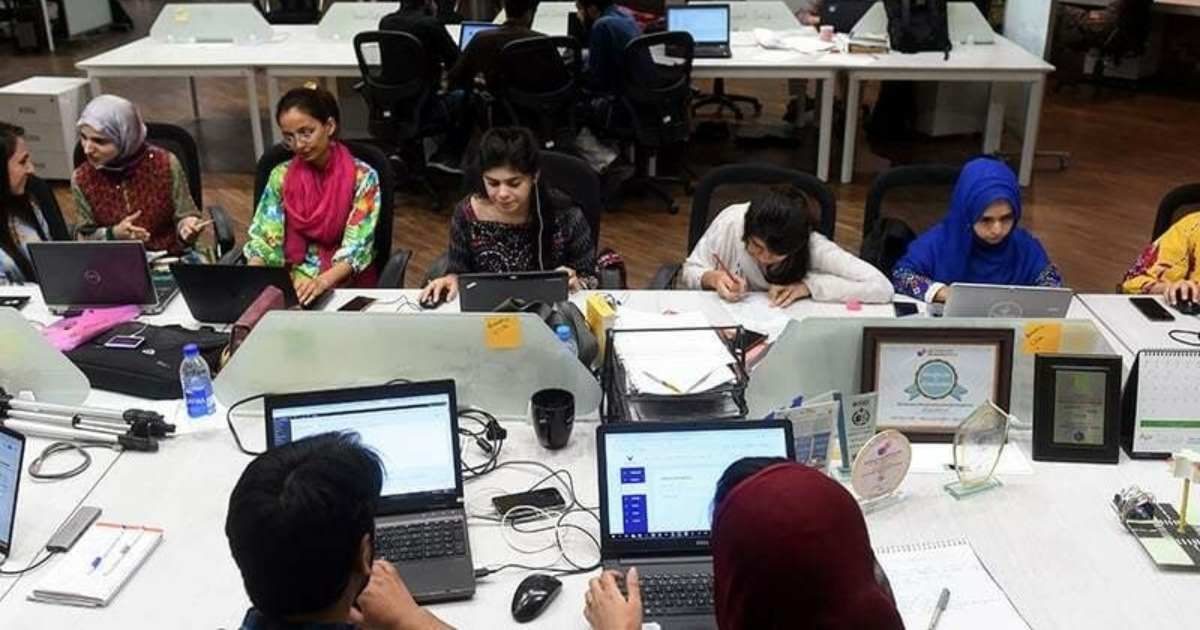
Fear dominates the modern white-collar workplace. Specifically, 55.6% of salaried professionals report that an explicit fear of termination prevents them from raising salary concerns with management. Job security overrides the need for a living wage. Furthermore, companies have completely decoupled salary increments from the actual inflation index. Only 10% of corporate organisations explicitly adjust annual raises to match the rising cost of living. Strikingly, 15.5% of the white-collar workforce received no annual increment at all during the last cycle. In a high-inflation economy, a frozen salary represents a massive, immediate reduction in purchasing power.
The Downstream Economic Ripples
The shrinking purchasing power of the middle class directly damages the broader retail economy. When fixed costs rise, non-essential spending stops entirely. Retail sector metrics provide clear evidence of this commercial decline. For example, average apparel customer invoices dropped significantly from 4.0 clothing pieces per purchase to just 2.7 pieces.
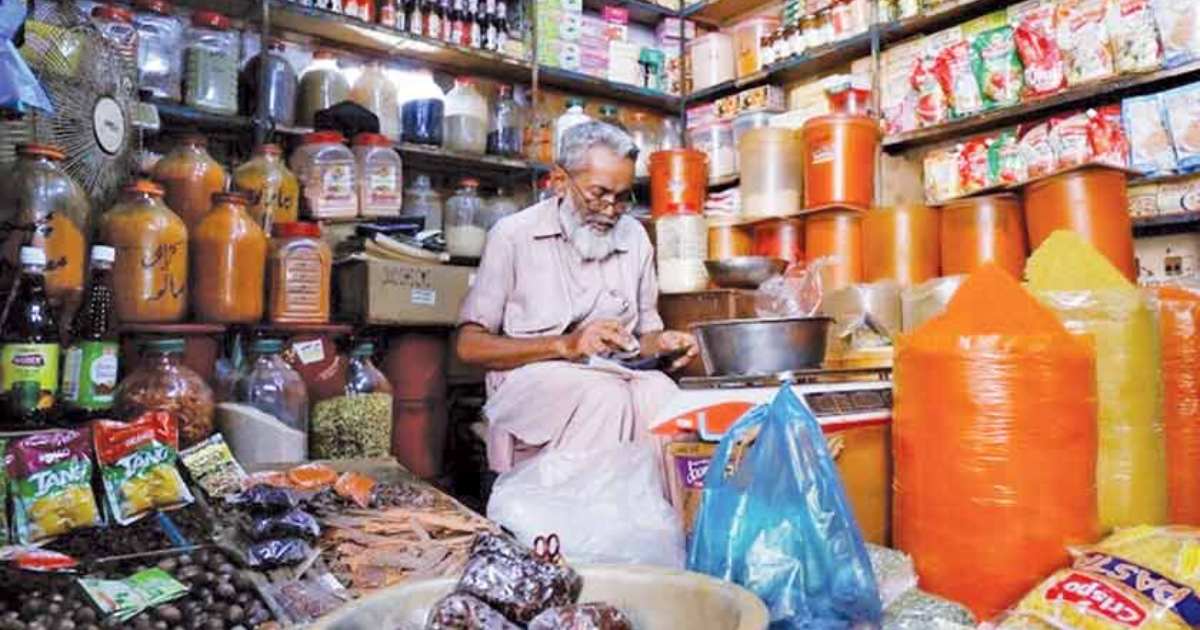
Consumers now purchase clothing, footwear, and consumer electronics out of absolute necessity rather than choice. This reduction in demand hurts local manufacturers and distributors, creates excess inventory, and threatens retail sector jobs. The middle class historically drives economic growth through consumption. Without their active spending, the domestic market experiences stagnation.
A Fragmenting Foundation
Ultimately, the systematic hollowing out of the salaried class threatens the social fabric of the country. A stable nation relies heavily on an educated, financially secure middle class to foster innovation, education, and civil governance. Present economic policies, however, leave this vital segment entirely unassisted.
As families deplete their life savings and fall deeper into debt, the boundary between the middle class and poverty dissolves. Reversing this trend requires immediate corporate wage corrections and targeted state relief for taxpayers. Without these interventions, the country risks losing its most productive economic engine.
FAQs
1. Who is considered Pakistan’s salaried middle class?
Generally, professionals and white-collar workers earning regular monthly salaries who rely primarily on employment income rather than business ownership or wealth accumulation.
2. Why doesn’t the middle class receive charitable assistance?
Most charitable organisations prioritise households below poverty thresholds. Salaried workers often exceed those thresholds despite facing significant financial strain.
3. How has inflation affected middle-class families?
Inflation has increased spending on utilities, food, housing, transportation, education, and healthcare, while salaries have not kept pace.
4. Why is middle-class spending important for the economy?
Middle-class households drive consumption, which supports retail businesses, manufacturing, services, and job creation.
5. What is the biggest challenge facing salaried professionals today?
The combination of rising living costs and stagnant wages has significantly reduced purchasing power and increased household debt.
Stay tuned to Brandsynario for the latest news and updates.