
















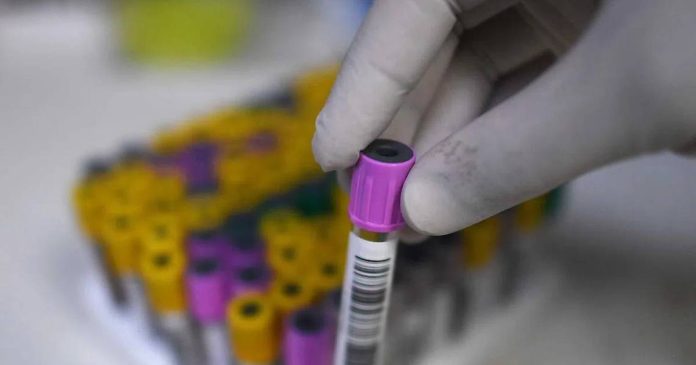

Decades of painstaking progress in the global fight against HIV/AIDS are suddenly unravelling. A sharp drop in international aid has pushed frontline health networks to the brink of collapse. According to a landmark UNAIDS report released at the 26th International AIDS Conference in Rio de Janeiro, the world risks a major epidemic resurgence if global funding does not recover immediately. While scientists have developed powerful new prevention tools, donor nations are stepping back. As a result, the global goal to end AIDS as a public health threat by 2030 is slipping out of reach.
Key Takeaways
- Foreign HIV funding plummeted 18% to $7.3 billion, a nearly 20-year low driven by global aid cuts.
- Prevention services collapsed, causing PrEP access to drop over 50% and condom supplies to fall up to 90% in heavily hit African regions.
- UNAIDS warns an additional 3 million people could acquire HIV by 2030 if global funding does not recover immediately.
- Nine million of the 41 million people living with HIV lack treatment, including almost half of all affected children.
- Game-changing bi-annual injectables (lenacapavir) exist, but funding shortages prevent distribution to the 20 million people who need them.
The Global Aid Collapse
International funding for the global HIV response has fallen to its lowest level in nearly two decades. This sudden withdrawal of financial support leaves vulnerable health systems stranded without adequate resources.
Global health assistance experienced a historic downturn last year:
- Severe Financial Cuts: International financing for HIV dropped by 18% in a single year, falling from $8.8 billion to $7.3 billion.
- Overall Foreign Aid Drop: Total global development assistance fell by 23%, marking the steepest single-year drop on record.
- Shifts in Major Donor Policy: The United States historically provided up to 75% of international HIV assistance. Policy changes in early 2025 led to severe cuts in foreign aid, especially for disease prevention programs.
Increased domestic spending by local governments offset part of the loss. Consequently, total global HIV resources fell by an overall 6%. However, many developing nations cannot fill this vast funding gap on their own.
Devastating Impacts on the Ground
The sharp reduction in funding directly harms community health programs and disease surveillance. Sub-Saharan Africa bears the heaviest burden, as the region accounts for roughly half of all new global HIV infections.
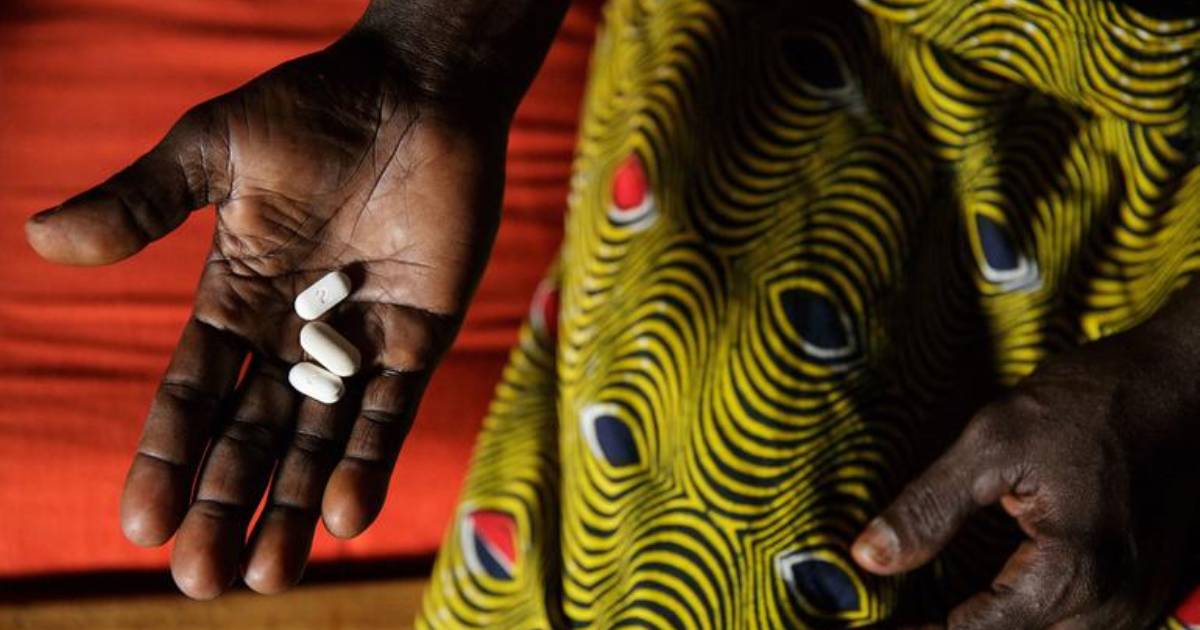
Frontline prevention services are experiencing massive disruptions:
- PrEP Access Collapses: Countries like Cameroon, Nigeria, and Zambia reported a greater than 50% drop in people receiving daily pre-exposure prophylaxis (PrEP).
- Condom Shortages: Funding for condom distribution fell by more than 90% in several heavily affected countries.
- Community Outreach Shutdown: Funding cuts forced community-led clinics to scale back outreach efforts for high-risk populations.
- Rising Human Rights Barriers: Legal restrictions and the criminalisation of marginalised groups increased for the first time since tracking began, creating steep hurdles to healthcare access.
A Fragile Response and the Human Cost
Despite three decades of progress that brought global AIDS deaths to historic lows, the health response remains dangerously fragile. Without swift intervention, millions of lives hang in the balance.
The current global HIV burden reveals deep structural inequalities:
- High Infection Rates: Roughly 1.2 million people acquired HIV last year, while 570,000 people died from AIDS-related illnesses.
- Millions Lack Treatment: Out of 41 million people living with HIV globally, 9 million people do not receive antiretroviral therapy.
- Pediatric Care Deficit: Almost half of all children living with HIV lack access to life-saving treatment.
- Regional Spikes: New HIV infections increased across 3 regions and 21 countries last year.
UNAIDS projects that more than 3 million additional people could acquire HIV by 2030 if global targets fail.
Groundbreaking Innovations vs. Distribution Barriers
The tragic irony of the current crisis is that scientific innovation has reached an all-time high. Medical researchers have developed revolutionary prevention options, yet clinics lack the funds to deliver them.
Key developments in medical tools and policy include:
- Next-Generation Prevention: Long-acting injectable medicines like lenacapavir offer near-vaccine-like protection and require only two injections per year.
- The Scale-Up Challenge: Global initiatives aim to reach 3 million people with lenacapavir by 2028. However, UNAIDS estimates that 20 million people need long-acting PrEP to halt community transmission.
- Proven Models of Success: Eleven countries have already achieved the UN’s 95-95-95 treatment targets. Furthermore, seven nations reduced new infections by nearly 80% since 2010.
- New Political Commitments: UN Member States recently adopted a new Political Declaration aligned with the UNAIDS Global AIDS Strategy 2026–2031. Full implementation could prevent 3.2 million new infections and 1.3 million deaths by 2030.
The global threat of HIV is not returning due to a lack of scientific solutions. Instead, it is returning because international political will and financial investments are fading. Long-acting medical breakthroughs can protect millions of lives, but tools alone cannot end an epidemic without active distribution networks. If world leaders fail to restore international aid and support domestic healthcare systems, decades of hard-won progress will vanish, triggering a costly and devastating resurgence of HIV.
FAQS
1. Why is global HIV funding dropping so drastically?
Foreign aid cuts by major international donors, including policy shifts in the U.S., which historically supplied 75% of international HIV assistance, drove an 18% decline in global HIV funding last year. Overall global development aid fell by 23%, hitting public health programs especially hard.
2. Could the world really face a major HIV resurgence?
Yes. UNAIDS warns that without immediate financial recovery, an additional 3 million people could acquire HIV by 2030, threatening to reverse 30 years of hard-won progress in reducing AIDS deaths and new infections.
3. Is the goal to end AIDS by 2030 still achievable?
Technically, yes. Eleven nations have already reached the UN’s targets, proving the epidemic can be stopped. However, achieving the 2030 goal globally requires donor nations to immediately restore foreign aid and for governments to increase domestic health spending.
Stay tuned to Brandsynario for latest news and updates



 Join a Channel
 Brandsynario
 Veryfilmi