















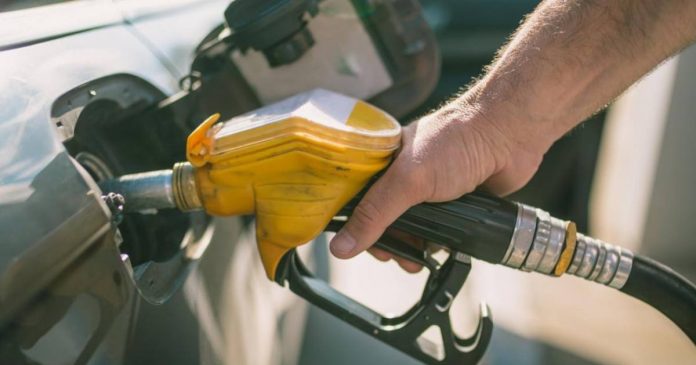

The government has announced a welcome reduction for motorists, decreasing the price of petrol by Rs4.08 per litre and high-speed diesel by Rs2.45. Following the adjustment, petrol dropped from Rs336.03 to Rs331.95 per litre, while high-speed diesel moved from Rs392.38 to Rs389.93 per litre.
The new rates officially took effect on Tuesday, August 4, bringing immediate relief to consumers navigating an unpredictable domestic market. This reduction comes as a relief compared to earlier this year. Fuel prices peaked on April 3, 2026, with petrol reaching Rs458.41 and high-speed diesel hitting Rs520.35 following the outbreak of the US-Iran war in late February.
Key Takeaways
- The government decreased the price of petrol to Rs331.95 per litre and high-speed diesel to Rs389.93 per litre.
- Global oil prices plummeted by approximately 7% after a planned US military strike on Iran was called off.
- The federal government recently shifted to a daily fuel price review mechanism to manage international market volatility.
The Trump Factor
The domestic price cut follows a sharp plunge in international markets. In early August, global oil prices fell sharply by about 7%. This came after US President Donald Trump announced he had called off a planned military strike on Iran. The geopolitical de-escalation sent immediate ripples through the energy sector.
On Monday, Brent crude fell $4.27, or 4.9%, to $83.66 per barrel. US benchmark crude lost $4.86, or 5.8%, settling at $79.81 per barrel following the development.
Posting on Truth Social regarding the cancelled military action, Trump stated: “We have just been asked by Iran, and other Middle Eastern Countries, to hold off any attack in that the perimeters of a deal have been agreed to.”
The Daily Pricing Debate
While consumers are enjoying the sudden price drop, the structural changes behind how these rates are calculated continue to cause friction. In July, the federal government shifted to a daily fuel price review mechanism to handle global oil price volatility. The Oil and Gas Regulatory Authority (OGRA) began publishing daily Platts reference prices on July 1, and the daily mechanism officially took effect on July 17.
Under this new framework, petrol and diesel prices are calculated using a seven-day rolling average of Platts international benchmark prices, before government taxes and oil company margins are added. During a meeting of the Senate Standing Committee on Petroleum in August, lawmakers strongly criticised the shift.
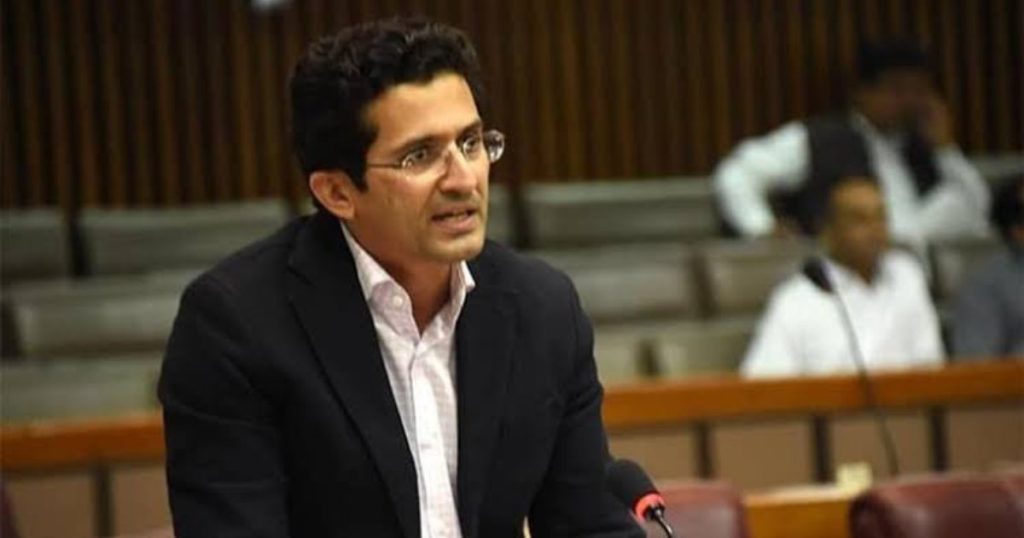
Describing the uncertainty it creates, Senator Saifullah Abro stated: “The daily fuel pricing mechanism is a slow poison for consumers. Consumers do not know what today’s price is or what tomorrow’s will be. They can neither live nor die.”
In response, Petroleum Minister Ali Pervaiz Malik defended the daily system at the same committee meeting. He argued that the new structure protects the market from artificial shortages. “When prices were revised weekly, companies would see the three-day average emerging and reduce petrol supplies accordingly. Now prices are determined daily using the seven-day average,” he said. To improve transparency, Prime Minister Shehbaz Sharif has also directed OGRA to publish the fuel pricing formula in Urdu on its website.
Industry Pushback
The political debate is matched by deep dissatisfaction within the retail sector. Petroleum dealer associations have firmly rejected the daily pricing mechanism, citing severe operational and inventory difficulties.
Consequently, the dealers are demanding that the daily system be completely scrapped. In addition to abandoning the new pricing framework, they are asking the government to increase dealer margins to 8 per cent.
Additionally, the associations are pushing for the withdrawal of a 0.8 percent deduction currently applied to credit card transactions at fuel stations.
What Happens Next
With prices now tracked on a strict seven-day rolling average, Pakistan’s fuel rates remain highly vulnerable to sudden global fluctuations. If international crude prices rebound following the momentary de-escalation in the Middle East, the daily pricing model will rapidly pass those increases directly to consumers.
Dealers expressed dissatisfaction, but petroleum associations recently postponed their nationwide strike. The decision followed assurances from Petroleum Minister Ali Pervaiz Malik that the government would address their concerns within two weeks. Meanwhile, consumers must monitor pump prices daily to see how much global market relief reaches their wallets.
FAQs
1. What are the new petrol and diesel prices in Pakistan?
The government decreased the price of petrol to Rs331.95 per litre and high-speed diesel to Rs389.93 per litre.
2. Why did the government reduce fuel prices?
The domestic reduction came after US President Donald Trump cancelled a planned military strike on Iran.
3. How does the new daily pricing mechanism work?
Under the new framework, petrol and diesel prices are calculated using a seven-day rolling average of Platts international benchmark prices before adding taxes and margins.
4. Why are petroleum dealers unhappy with the new system?
Dealer associations have rejected the daily mechanism due to inventory and operational difficulties, while also demanding an 8 per cent margin and the removal of credit card deductions.
Stay tuned to Brandsynario for latest news and updates



 Join a Channel
 Brandsynario
 Veryfilmi