
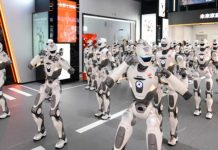












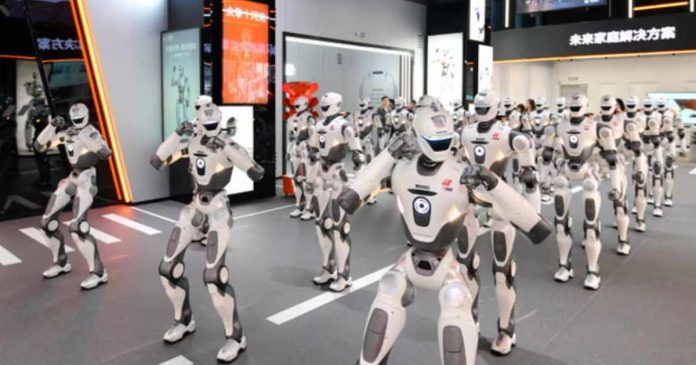

The United States has imposed a sweeping ban on new imports of Chinese humanoid robots, citing national security concerns and the growing risks tied to advanced AI-powered machines. The move also extends to connected power inverters, signalling Washington’s latest effort to reduce reliance on Chinese technology in critical industries.
Key Takeaways
- The FCC has banned new imports of Chinese humanoid and quadruped robots into the US.
- The restrictions also cover connected power inverters used in data centres and renewable energy systems.
- The measures took effect immediately but do not apply to previously authorised products.
Why Is the US Blocking Chinese Humanoid Robots?
The Trump administration says the decision is about protecting America’s critical infrastructure before the next wave of AI-powered technology becomes mainstream. On Tuesday, the Federal Communications Commission (FCC) added advanced foreign-made robotic devices to its Covered List, which identifies products considered a threat to US national security.
The FCC’s restrictions apply to newly released humanoid and quadruped robots manufactured overseas, with Chinese companies expected to be the hardest hit. The ban does not affect models already approved for sale in the United States, although the FCC can revoke those authorisations if new security concerns emerge.
Security Concerns Go Beyond Robotics
US officials argue that modern robots are far more than automated machines. Equipped with cameras, sensors and AI systems, they continuously collect data about their surroundings.
The FCC said the ban was necessary because hostile actors could exploit advanced robots for surveillance and cyber operations. According to the agency, these devices could “collect data that could be leveraged by malign actors to surveil Americans, enhance the capabilities of foreign intelligence services, or to remotely commandeer the robots.”
Alongside Chinese humanoid robots, the FCC also banned connected power inverters used in solar energy systems and data centres. Officials fear compromised devices could enable remote access, cyberattacks or disruptions to critical infrastructure.

China Pushes Back Against the Restrictions
China’s embassy in Washington accused the US of turning technology into a geopolitical weapon rather than encouraging fair competition.
In a strongly worded statement, the Chinese embassy urged the United States to “abandon its hegemonic mindset, and stop smearing Chinese companies and threatening them with sanctions.” It also said China would “take all necessary measures” to protect its interests if Washington’s actions caused material harm.
Chinese officials maintain that the country’s advances in artificial intelligence stem from years of domestic innovation and international collaboration rather than intellectual property theft.
The Tech Rivalry Is Entering a New Phase
The restrictions reflect a much broader contest between the world’s two largest economies. Over the past several years, Washington has imposed export controls on advanced semiconductors, increased tariffs on Chinese products and tightened scrutiny of technology firms.
Now, Chinese humanoid robots have become the latest flashpoint. The administration believes reducing dependence on Chinese-made robotics today could prevent future supply chain disruptions similar to those experienced during disputes over rare earth minerals.
Major Chinese Companies Could Feel the Impact
Among the companies expected to be affected is Unitree, which holds nearly one-fifth of the global humanoid robot market, according to Counterpoint Research. The company recently partnered with Nvidia to integrate Blackwell AI chips into its robots. However, Nvidia has said customer data remains in the United States.
Other major manufacturers, including UBTech and AgiBot, are also expected to face increased scrutiny. Meanwhile, China’s inverter industry, led by Sungrow and Huawei, could lose further ground in one of its most important overseas markets.
FAQs
1. What products are covered by the ban?
New Chinese-made humanoid robots, quadruped robots and connected power inverters.
2. Does the ban affect existing robots?
No, previously authorised models can still be sold for now.
3. Why did the US introduce the ban?
Officials cite national security, cybersecurity and supply chain concerns.
Stay tuned to Brandsynario for latest news and updates



 Join a Channel
 Brandsynario
 Veryfilmi