
















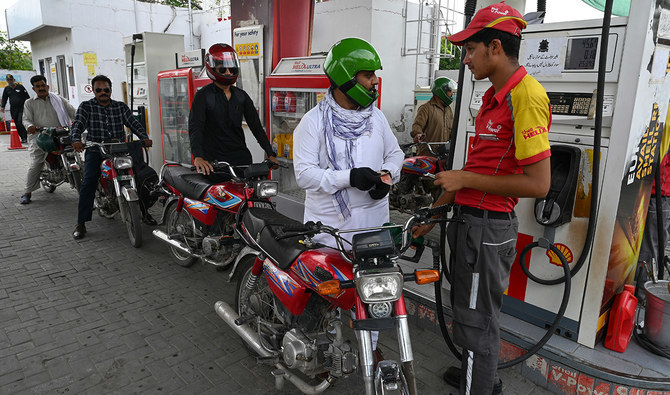

The Government of Pakistan has raised petroleum prices, increasing petrol by Rs 8 per liter and high-speed diesel (HSD) by Rs 5.16 per liter for the next fortnight. The Petroleum Division issued a notification, and the new prices took effect on March 1, 2026.
Revised Fuel Prices
According to the latest revision:
- The price of Petrol has been increased from Rs 258.17 to Rs 266.17 per liter.
- The price of High-Speed Diesel (HSD) has been increased from Rs 275.70 to Rs 280.86 per liter.
These price adjustments are a regular feature of the government’s fortnightly revision of oil prices in the light of fluctuations in the rates of crude oil globally, exchange rates, and suggestions from the Oil and Gas Regulatory Authority (OGRA).
Read More: Pakistan Fuel Price Hike: Petrol and Diesel Rates Set to Surge by March 15
Fuel Price Hike in Pakistan: Petrol Up by Rs 8, Diesel Up by Rs 5.1
Reasons Behind the Increase
The renewed political tensions in the Middle East region have caused an increase in global oil prices. One of the major issues is the strategic Strait of Hormuz, which is a narrow but vital shipping lane that transports almost 20 percent of the world’s total oil supply. Any escalation of political tension, military build-up, and threats to commercial shipping in this region is a major cause of concern about a potential disruption in the global oil supply.
Even if there is no actual blockade, the uncertainty about the Strait of Hormuz is a major factor that increases international crude oil prices. As global oil prices are increasing due to these political tensions and other global supply-side issues, the cost of imported oil will also rise for oil-importing countries like Pakistan. As the government reviews fuel prices after every 15 days in accordance with international trends, consumers will have to pay the higher prices.
Impact on Consumers and Economy
Citizens in major cities have complained about the rise in prices. When asked about the
The Government of Pakistan has increased petroleum prices for the next fortnight, raising petrol by Rs 8 per liter and high-speed diesel (HSD) by Rs 5.16 per liter. The Petroleum Division issued the official notification, and the new prices took effect on March 1, 2026.
Revised Fuel Prices
Under the latest revision:
- Petrol now costs Rs 266.17 per liter, up from Rs 258.17.
- High-Speed Diesel (HSD) now costs Rs 280.86 per liter, up from Rs 275.70.
The government reviews fuel prices every two weeks. It adjusts rates based on global crude oil prices, exchange rate movements, and recommendations from the Oil and Gas Regulatory Authority (OGRA).
Reasons Behind the Increase
Renewed political tensions in the Middle East have pushed global oil prices higher. A key concern is the strategic Strait of Hormuz, a narrow but crucial shipping lane that carries nearly 20 percent of the world’s oil supply. Any escalation in conflict, military activity, or threats to commercial vessels in this region raises fears of supply disruptions.
Even without an actual blockade, uncertainty surrounding the Strait of Hormuz can drive international crude oil prices upward. As global prices rise due to these tensions and other supply-related issues, oil-importing countries like Pakistan face higher import costs.
Since Pakistan links its domestic fuel prices to international market trends and reviews them every 15 days, consumers ultimately bear the impact of these increases.
Impact on Consumers and Economy
Residents in major cities have expressed frustration over the hike. Ahmed Raza, a ride-hailing driver in Karachi, said, “Every few weeks, prices go up. Our earnings stay the same, but fuel keeps getting more expensive. It’s becoming impossible to manage expenses.”
A commuter in Lahore added, “Transport fares will increase again. In the end, we have to pay for everything.”
Transporters have also voiced concern, warning that freight charges may rise if fuel prices continue to climb. Some have hinted at protests if the government does not provide relief.
The increase adds further pressure on households, especially those who rely on petrol for daily commuting by car, motorcycle, rickshaw, or public transport. Higher diesel prices are particularly significant for the transportation and logistics sectors, where most heavy vehicles run on high-speed diesel.
Economists warn that rising diesel costs could fuel broader inflation. As transportation expenses increase, businesses may pass those costs on to consumers, leading to higher prices for food and other essential goods.
Stay Tuned to Brandsynario For Latest News and Updates.