

















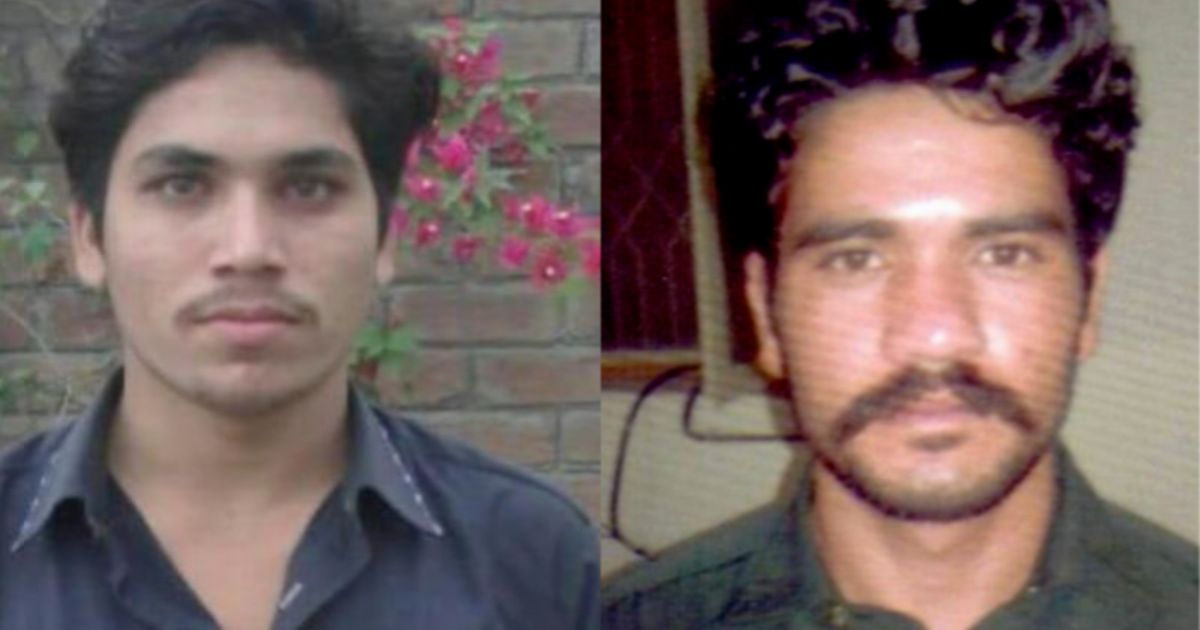
In a major ruling, the Lahore High Court has upheld the death sentences of two men convicted in the 2020 Motorway gang rape case.
The decision is being seen as one of the most significant developments in a case that shocked Pakistan and drew international attention. It also comes after years of public demands for justice and stronger action against sexual violence.
A two-member bench of the Lahore High Court led by Justice Syed Shahbaz Ali Rizvi and Justice Tariq Mahmood Bajwa dismissed the appeals filed by convicts Abid Ali alias Malhi and Shafqat Ali alias Bagga. The court upheld all punishments awarded earlier by an Anti-Terrorism Court including the death penalty for rape.
The verdict comes almost six years after the crime and more than five years after the original convictions.
Motorway Rape Case: The Crime That Shocked Pakistan
The incident took place on September 9, 2020. A Pakistani-origin French woman was travelling with her three young children on the Lahore-Sialkot Motorway when her vehicle ran out of fuel near Gujjarpura.
While waiting for help, two armed men broke a window of the car and dragged her into nearby fields. She was raped at gunpoint in front of her children. The attackers also stole cash, jewellery and bank cards before escaping.
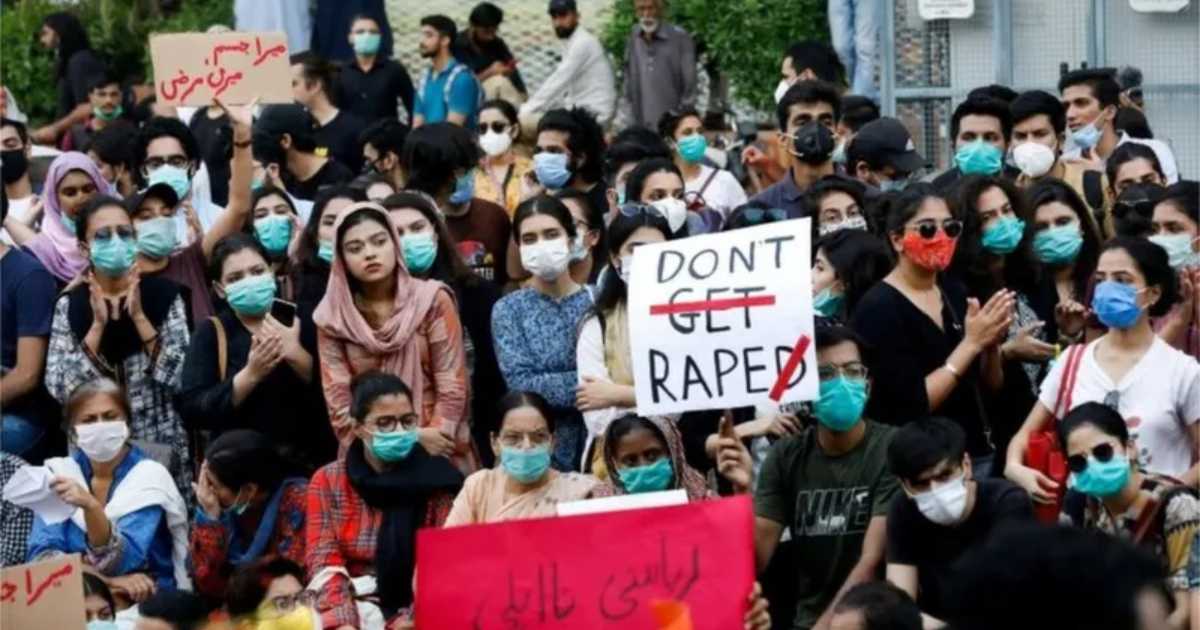
The crime sparked outrage across Pakistan. Public anger grew even further after comments made by a senior police official appeared to question why the woman had been travelling alone at night. The remarks were widely criticised as victim-blaming.
Protests were held in several cities as people demanded justice and better protection for women.
In March 2021, an Anti-Terrorism Court convicted Abid Malhi and Shafqat Bagga on charges that included gang rape, robbery, kidnapping and terrorism-related offences.
Both men were sentenced to death for rape. They also received life imprisonment for abducting the victim’s children, 14 years in prison for robbery and additional jail terms for other offences linked to the attack.
The convicts challenged the verdict before the Lahore High Court. Their lawyers argued that there were flaws in the prosecution’s case and that the trial court’s judgment was too harsh.
After reviewing the evidence, including DNA reports, forensic findings, witness statements and mobile phone records, the High Court rejected the appeals.
The court said there was sufficient evidence against both men and found no reason to overturn the convictions or sentences.
Punjab’s prosecution team welcomed the ruling and described it as an important victory for justice.
Why This Ruling Is Historic
The Lahore High Court’s decision is being viewed as historic because it strengthens one of the most important convictions in Pakistan’s recent legal history.
For years, rape survivors in Pakistan have struggled to get justice. Many cases were affected by weak investigations, social stigma, delays in court proceedings and low conviction rates. Several high-profile incidents sparked public outrage but did not always lead to outcomes that satisfied victims and their families.
The Motorway rape case became a turning point.
The public reaction to the attack pushed authorities to introduce legal reforms aimed at improving the handling of sexual violence cases. In the months that followed, Pakistan introduced tougher anti-rape measures, special courts, stronger witness protection and faster investigation procedures.
What makes this ruling particularly significant is that the convictions have survived years of legal challenges. The High Court’s decision shows that cases built on strong forensic evidence can stand up to scrutiny at higher levels of the judicial system.
While death sentences in rape cases are not unheard of in Pakistan, legal experts note that it is uncommon for a case of this scale and public importance to maintain its convictions through such a lengthy appeals process.
A Long History of Public Demands for Justice
Pakistan has witnessed several high-profile sexual violence cases over the years that became national symbols of the struggle for justice.
Cases involving victims such as Mukhtaran Mai and the young victim in the Kasur child abuse scandals exposed systemic weaknesses in the country’s criminal justice system and sparked debates over victim protection and accountability.
The 2020 Motorway rape case joined that list almost immediately because of the sheer brutality of the crime and the public reaction it generated.
Unlike many past cases where investigations faced criticism or legal proceedings dragged on without clear outcomes, authorities in the Motorway case relied heavily on modern forensic evidence, including DNA analysis and digital tracking methods, helping prosecutors build a stronger case.
The Lahore High Court’s latest ruling is therefore being seen not only as a judgment in a single criminal case but also as a reflection of how Pakistan’s approach to prosecuting sexual violence has evolved in recent years.
The case has continued to attract attention beyond Pakistan.
Following the High Court verdict, billionaire entrepreneur and X owner Elon Musk reacted publicly to the ruling. He praised the decision and described the punishment as appropriate for such a crime.
His comments brought renewed international attention to a case that had already been widely covered by global media since 2020.
View this post on Instagram
Is The War Over Yet?
However, the legal process is not over yet.
Under Pakistani law, the convicts still have the right to appeal before the Supreme Court of Pakistan.
If they choose to do so, the country’s highest court will decide whether the convictions and sentences should remain in place.
For many Pakistanis, however, the latest ruling marks an important moment in a long search for justice. Nearly six years after a crime that horrified the nation, the Lahore High Court has reaffirmed the convictions and sent a clear message about accountability for crimes of this nature.
Stay tuned to Brandsynario for latest news and updates