

















Key Takeaways:
-
Israel and Lebanon agreed to a conditional ceasefire following intensive negotiations mediated by the United States.
-
The truce hinges entirely on the complete cessation of fire by Hezbollah and the total evacuation of its operatives from the South Litani Sector.
-
The agreement establishes designated border zones where the Lebanese Armed Forces (LAF) will exercise exclusive territorial control, strictly excluding all non-state armed actors.
-
Hours after the announcement, Israeli Defence Minister Israel Katz clarified that the IDF will continue localised ground operations in southern Lebanon to ensure compliance.
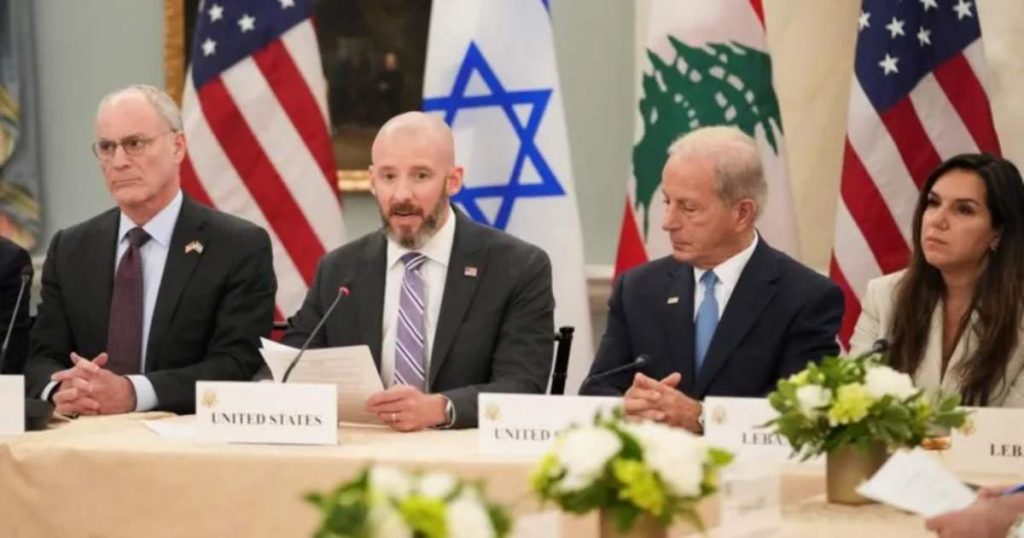
Israel and Lebanon have agreed to renew a fragile ceasefire under a new US-backed framework that aims to reduce violence along the border. The agreement introduces special security zones inside southern Lebanon where Hezbollah fighters would not be allowed to operate.
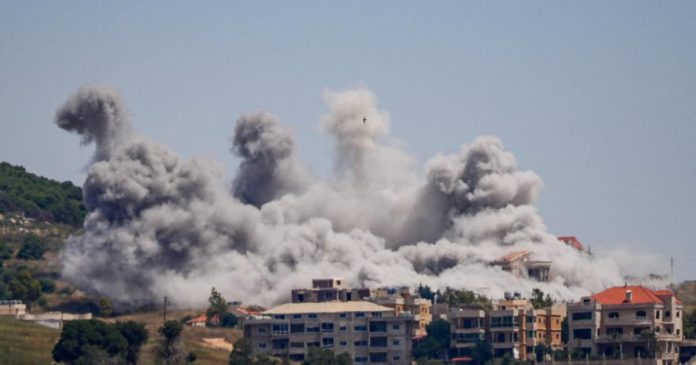
The agreement comes at a critical moment. Recent Israeli airstrikes and Hezbollah rocket attacks highlight just how volatile the security situation remains. Washington has praised the move as an effort to achieve stability, but things remain dubious regarding Hezbollah’s response. Along with this, enforcement mechanisms and the durability of the deal are yet to be trusted.
The Key Hezbollah Conditions in the Deal
At the heart of the agreement is a major condition: Hezbollah operatives must withdraw from the area between the Israeli border and the Litani River, roughly 30 kilometres inside Lebanon.
In addition to this, both sides agreed to establish pilot security zones where the Lebanese Armed Forces will exercise their exclusive control. These areas will be working without any presence of armed non-state groups, which also includes Hezbollah.
The key provisions are:
- Hezbollah’s withdrawal from designated border areas
- Lebanese Armed Forces taking sole control of the pilot zones
- A total halt to attacks from all parties
- Israel and Lebanon to continue direct negotiations
- US involvement in facilitating implementation and monitoring the situation
The Significance of the Israel-Lebanon Ceasefire
The Israel-Lebanon Ceasefire isn’t just significant for the two countries alone. Iran has continuously drawn links between broader regional de-escalation efforts and developments in Lebanon. This agreement is thus a notable diplomatic milestone.
The deal comes at a time when there are heated concerns as to whether fighting would derail the negotiations going on between the United States and Iran. The joint statement also stressed that Lebanon’s future should be determined by its sovereign institutions rather than external actors. It specifically rejected attempts by any state or non-state group to hold the country’s future hostage.
Challenges That Could Threaten the Agreement
Despite the optimism, serious obstacles remain. Hezbollah has not formally endorsed the full framework, and some of its representatives have already questioned the legitimacy of negotiations conducted without the group’s participation.
Meanwhile, criticism has emerged from within Israel as well. National Security Minister Itamar Ben-Gvir described the arrangement as a “serious mistake,” arguing that it could allow Hezbollah time to rebuild its capabilities.
Continued strikes in southern Lebanon following the announcement also underline how difficult enforcement may prove. Without clear monitoring mechanisms and mutual trust, the Israel-Lebanon Ceasefire could face the same challenges that undermined previous agreements.
As of now, representatives from Israel and Lebanon are expected to meet again on June 22 for further discussion. They will be meeting with the intention to enhance the current agreement into a more fortified security agreement.
FAQs
1. What is the Israel-Lebanon Ceasefire?
A US-backed agreement aimed at stopping hostilities between Israel and Lebanon.
2. What must Hezbollah do under the deal?
Withdraw fighters from designated areas south of the Litani River.
3. Will the ceasefire guarantee peace?
No, further negotiations and compliance from all sides are still required.
Stay tuned to Brandsynario for latest news and updates