

















At last, the Islamabad High Court (IHC) has dealt a devastating blow to decades of municipal violence. In an unprecedented 24-page ruling, the court imposed a permanent, across-the-board prohibition on the poisoning, shooting, and bulk culling of stray dogs in the federal capital.
Local government regarded these helpless creatures as rubbish for years, carrying out gruesome and filthy extermination operations throughout urban areas. This historic decision represents a huge change in the legal course of Pakistan. It formally rejects state-sanctioned violence and directs officials to deploy humane, scientifically supported substitutes.
The Landmark IHC Judgment
Justice Khadim Hussain Soomro led this judicial revolution by setting clear, legally binding limits. The court expressly outlawed all types of arbitrary murder, therefore compelling police to turn to a compassionate approach. The decision specifically calls for the establishment of a Catch, Neuter, Vaccinate, and Release (CNVR) program right away. Humane technique controls reproduction rates while methodically eradicating disease risk.

The IHC established harsh legal repercussions for non-compliance to guarantee exact adherence. The court ruled that any person or municipal employee found killing stray dogs would now face instant criminal prosecution. Law enforcement organiSations have to file First Information Reports (FIRs) against those who break the law. The court further ordered the development of rigorous Standard Operating Procedures (SOPs) for the gentle capturing, transporting, and sheltering of stray animals.
To make this change permanent, the courts mandated the establishment of numerous key surveillance systems:
- Advisory Committee: A dedicated board consisting of experienced veterinarians, animal welfare advocates, and administrative officials to oversee the transition.
- Dog Bite Database: A centralised registry to track public safety incidents accurately without resorting to mass hysteria.
- Animal Abuse Registry: A formal record to track and prosecute perpetrators of cruelty.
Crucially, the court rooted its decision in both local law and spiritual ethics. The judgment emphasised that indiscriminate mass slaughter directly contradicts Islamic teachings regarding compassion for all living creatures. The court also criticised the Prevention of Cruelty to Animals Act of 1890, calling it severely outdated and ineffective for modern challenges. Authorities now have a strict 60-day window to submit a comprehensive compliance report to the court.
Institutional Defiance and the Fight for Justice
Notwithstanding earlier court cautions, government agencies have historically demonstrated great opposition to change. Animal rights activists, headed by Islamabad resident Niloofar and Advocate Altamush Saeed, filed the inflammatory petitions upon seeing flagrant state defiance. They battled local officials who openly broke past promises to treat stray animals humanely.
Petitioners showed the court damaging photographic and video evidence during the hearing. Eyewitnesses took pictures of a Capital Development Authority (CDA) car carrying the bodies of almost 200 poisoned dogs. This terrible revelation proved that behind closed doors, municipal employees were deliberately undermining compassionate programs. This proof destroyed government denial and compelled the IHC to intervene with ironclad criminal orders.
A History of State-Sanctioned Cruelty
To understand the weight of this judgment, one must look at the grim historical context provided by the Public Interest Law Association of Pakistan (PILAP). For decades, provincial and municipal authorities completely avoided administrative responsibility. Public management of stray animals fluctuated wildly between violent, ad-hoc mutilations and sudden mass poisoning campaigns.
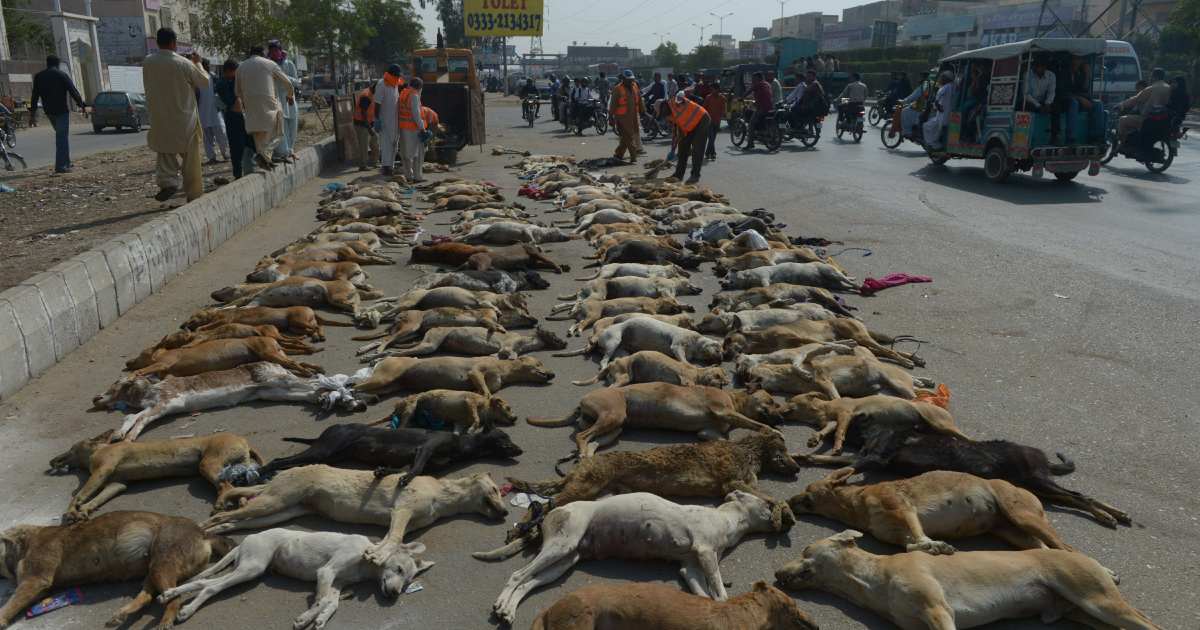
The crisis reached its peak in major hubs like Karachi, where municipal workers routinely left poison-laced meat on public streets. This practice killed thousands of dogs, but it also created severe environmental and public health hazards. Authorities frequently left the carcasses to rot in public spaces, compounding unhygienic conditions in impoverished neighbourhoods.
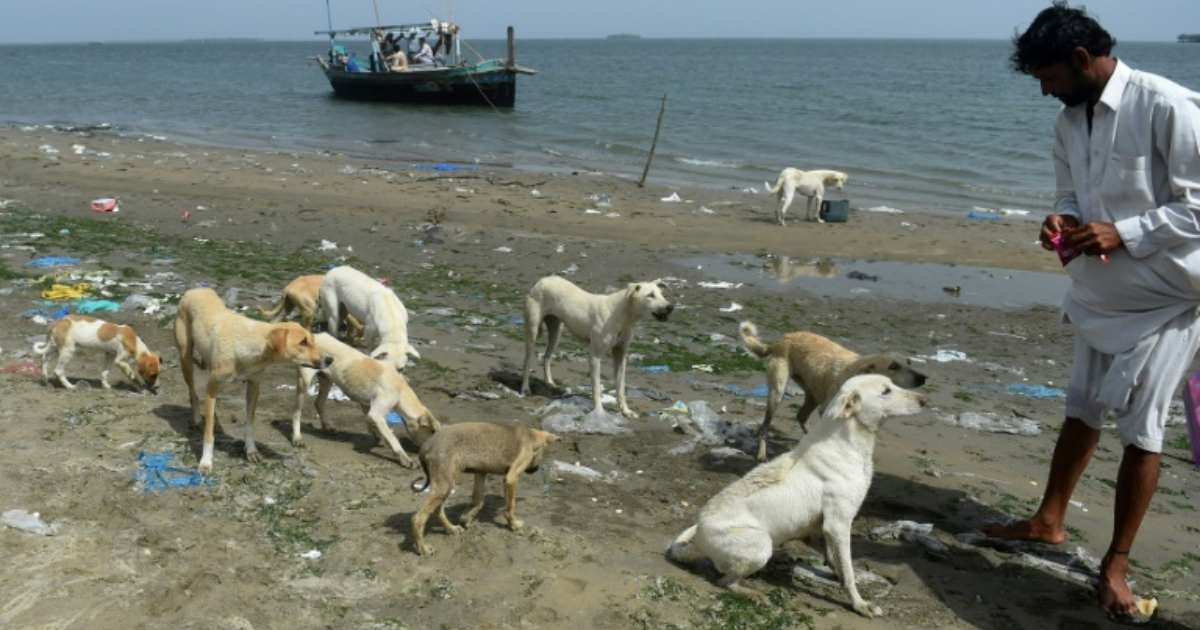
Furthermore, local governments actively sabotaged humanitarian efforts led by the private sector. Private charities, such as the Ayesha Chundrigar Foundation (ACF), spent vast resources to vaccinate, neuter, and rehabilitate community dogs. Shockingly, District Municipal Corporations (DMCs) repeatedly rounded up, tortured, and poisoned these very same treated animals. This systemic resistance highlighted a deep-rooted cultural and institutional reliance on violence over science.
The Great Divide: Public Safety vs. Animal Rights
According to surveys, the stray dog crisis directly impacts daily life, with 29% of Pakistanis reporting that stray dogs pose an immediate threat to their neighbourhoods. This fear stems from a very real public health crisis:
- Vaccine Shortages: Provincial governments consistently fail to provide adequate supplies of anti-rabies vaccines.
- Vulnerability: Bite victims in rural and low-income areas often face agonising deaths due to a lack of immediate medical treatment.
- Public Anxiety: Regular media reports of aggressive dog packs mauling citizens fuel widespread panic.

This anxiety, therefore, sways public opinion toward violent culling. Data reveals that a sizable 57% majority of Pakistanis view the mass culling of stray dogs as a required action for public safety and advocate it. On the other hand, just 38% of the populace finds mass culling to be horrible or unwarranted.
Additionally, emphasising this inner cultural dispute are demographic statistics. The group with the most support for culling was the 30–50 age group, with 73% of them. The young group (under 30), on the other hand, turned out to be more progressive, with just 35% defending the murders. In terms of geography, 40% of rural people considered mass culling as cruel, whereas only 33% of metropolitan residents did. This difference indicates that urbanites, who deal with higher numbers of stray animals, usually give fast, violent eradication top priority.
A Path Forward
The Islamabad High Court’s ruling is a critical victory, but the battle on the ground is far from over. Passing a progressive law is simple, but enforcing it within a resistant bureaucratic system requires continuous accountability. If local authorities fail to establish functioning CNVR programs and reliable vaccine clinics, public fear will inevitably trigger more illegal culling drives. True success depends on shifting public perception from fear to cooperation, ensuring that both human communities and stray animals can coexist safely under the protection of the law.
Stay tuned to Brandsynario for the latest news and updates.