















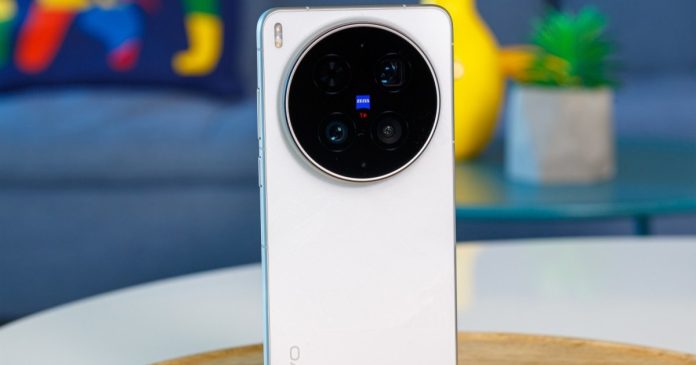

In a market crowded with “Ultra” smartphones, the Vivo X300 Ultra makes a serious attempt to justify the label. This is not just another premium device with a good camera. It is a phone built with a clear ambition: to replace parts of a professional filmmaking and photography setup.
From its high-end imaging hardware to its unusually deep video toolkit, the X300 Ultra positions itself less as a smartphone and more as a portable production system.
A Camera System That Dominates the Conversation
The X300 Ultra’s biggest strength is also its most obvious one. The camera setup is among the most aggressive seen on any phone to date. A 200MP main sensor leads the system, joined by a 200MP telephoto lens and a 50MP ultra-wide camera. The partnership with Zeiss continues to play a central role, especially in colour tuning and portrait effects that mimic classic lens styles.
On paper, this already sounds excessive. In practice, it pushes smartphone photography into new territory.
Zoom is where the phone becomes genuinely unconventional. While most smartphones peak at around 10x usable zoom, the X300 Ultra goes far beyond that. With AI-assisted processing, it delivers surprisingly usable images even at 100x. Add the optional telephoto kit and things become almost surreal.
With external lenses, the phone can reach up to 350x zoom, stretching focal lengths to an extreme 8100mm equivalent.
This is not just a numbers game. In testing, distant buildings, signage, and even fine textures remain visible at levels that would have been unthinkable on a phone a few years ago. There are limits.
Moving subjects struggle at extreme zoom levels, and heavy AI processing is visible. Still, the fact that handheld shots at such distances are even possible marks a significant shift.
A Serious Tool for Video Creators
Where the X300 Ultra truly separates itself is video. Vivo has leaned heavily into features that feel designed for filmmakers rather than casual users.
The phone supports 4K recording at 120fps across all cameras, not just the primary lens. It also offers 10-bit Log recording and Dolby Vision, giving creators far more flexibility in post-production. Colour grading, often a challenge with smartphone footage, is easier here thanks to support for LUTs, allowing users to preview professional colour profiles while shooting.
Vivo has also focused on colour consistency, aiming to match footage more closely with dedicated cinema cameras. This is a small but important detail for creators working across multiple devices.
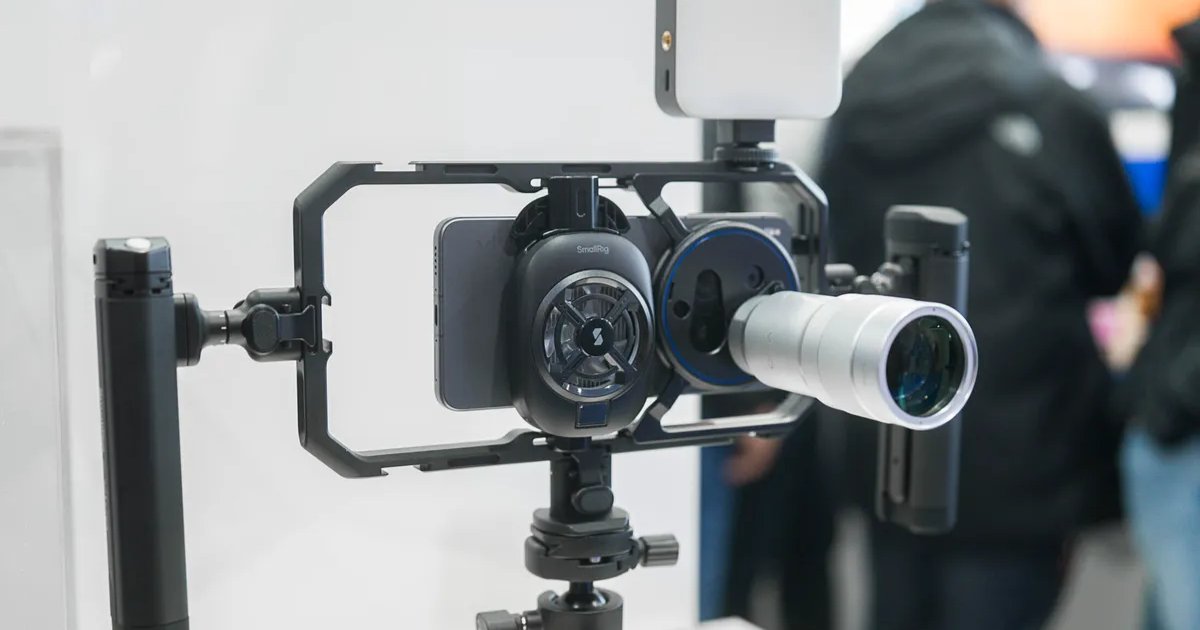
Stabilisation and audio have also been improved, although serious users will still prefer external gear. Vivo seems to recognise this, showcasing the device with accessories from SmallRig, including cages, grips, and mounts that transform the phone into something resembling a compact cinema rig.
Recommended Read: Vivo V70: All You Need to Know
Performance That Matches the Ambition
Under the hood, the X300 Ultra runs on the Snapdragon 8 Elite Gen 5 chipset, placing it firmly among the fastest Android devices available. Paired with up to 16GB of RAM and UFS 4.1 storage, performance is predictably flagship-grade. Everyday tasks feel effortless, and intensive workloads like video editing or high-resolution shooting are handled without hesitation.
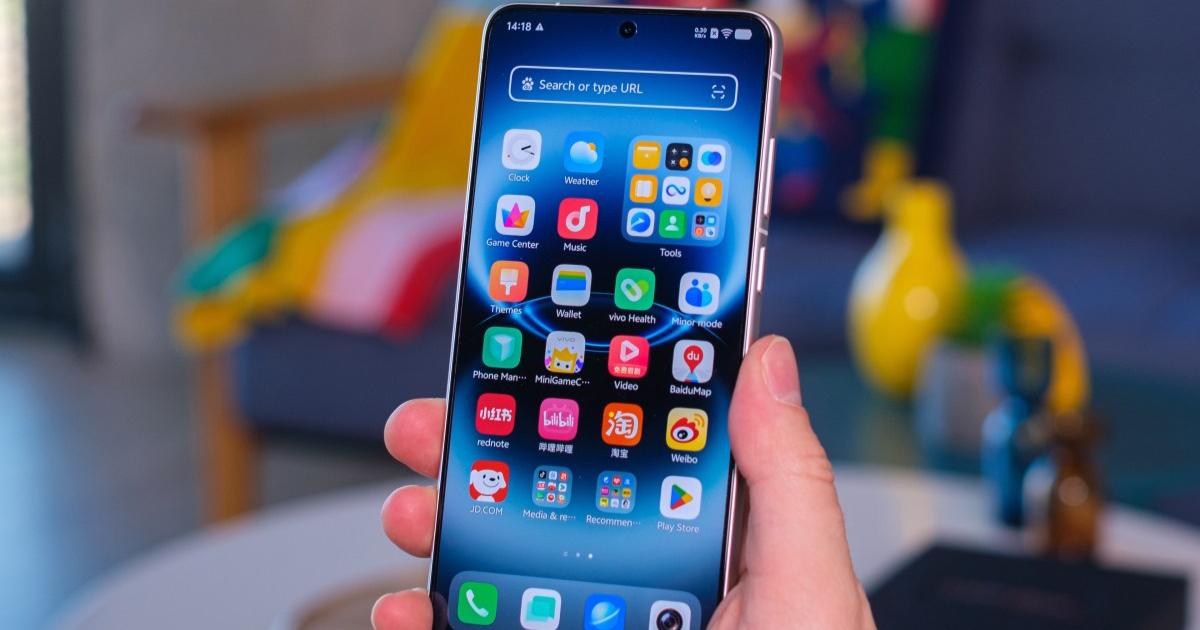
The 6.82-inch LTPO AMOLED display, with a 144Hz refresh rate and support for Dolby Vision, complements the device’s media focus. Whether reviewing footage or consuming content, the screen delivers sharpness and fluidity expected at this level.
Battery life also sees an upgrade, with a 6600mAh cell supporting 100W wired and 40W wireless charging. It is a practical addition for a device that encourages heavy camera and video use.
Running on OriginOS 6 based on Android 16, the X300 Ultra offers a polished and fluid experience. Animations are smooth, transitions feel natural, and the interface shows clear attention to detail. Features like AI-assisted writing, transcription, and image editing are integrated across the system, though they feel more like enhancements than core selling points.
Customisation is extensive, and the overall experience is closer to a refined ecosystem than a standard Android skin.
Design and Ecosystem Approach
Physically, the X300 Ultra leans into its camera-first identity. The design is flatter than its predecessor, with a prominent camera module that signals its priorities immediately.
The optional photography kit pushes this even further. With a grip, shutter controls, filter rings, and detachable lenses, the phone begins to resemble a dedicated camera. It is not just an accessory bundle. It is an attempt to redefine how a smartphone can be used in creative workflows.
The X300 Ultra is not trying to be everything for everyone. Its strengths are clear, and so are its priorities. This is a device aimed squarely at creators who want high-end imaging without carrying a full kit.
There are compromises. Extreme zoom relies heavily on AI, and the professional features may feel excessive for casual users. Availability is also limited in some regions, which may restrict its reach.
Yet, as a statement of intent, it is hard to ignore. The Vivo X300 Ultra does not just compete with other smartphones. It challenges the idea of what a smartphone camera can be.
For content creators, especially those working in video, it may come closer than most to replacing traditional gear.
Stay tuned to Brandsynario Tech for latest news and updates