





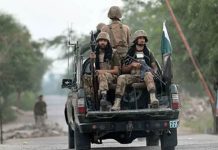










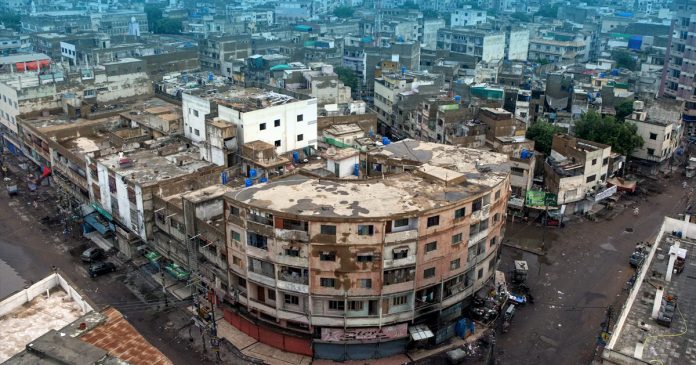

Pakistan’s housing crisis is no longer a peripheral urban problem. It has become a structural fault line shaping how cities grow, how families live and how inequality reproduces itself in space.
By 2026, Pakistan is projected to face a shortfall of 12–13 million housing units, with urban centres bearing the brunt.
What makes this crisis particularly severe is not just the scale of the shortage, but the way the system consistently excludes low and lower-middle-income groups while favouring speculative, high-end development.
Pakistan’s Urban Housing Crisis: A System Built on Permanent Deficit
Pakistan’s housing shortage has grown steadily over decades rather than emerging suddenly.
| Year | Estimated National Housing Deficit |
|---|---|
| 2010 | 4.4 million |
| 2014–15 | ~9 million |
| 2018 | ~10 million |
| 2025 | 10–12 million |
| 2026 (projected) | 12–13 million |
Urban demand alone stands at around 350,000 units per year, while formal supply delivers only 150,000 units annually. Of this demand, 62 percent comes from lower-income households, a segment almost entirely locked out of the formal housing market.
The gap is not theoretical. It is absorbed through informal settlements, overcrowded inner-city densification, and increasingly precarious rental arrangements.
Pakistan’s cities are growing faster than their ability to house people, and something must be done about it.
According to census data, Pakistan’s urban population now exceeds 75 million, growing at nearly 2.7 percent annually. If current trends continue, more than half the population will live in cities by 2030.
Affordability: When Income Loses the Race
The affordability crisis lies at the heart of Pakistan’s housing problem.
While household incomes have grown slowly, property prices and construction costs have surged.
| Year | Avg Monthly Household Income (PKR) | House Price Index |
|---|---|---|
| 2010 | 26,000 | 100 |
| 2020 | 41,000 | 225 |
| 2024 | 49,000 | 310 |
Housing affordability has deteriorated sharply. Between 2010 and 2024, average household incomes roughly doubled, while property prices nearly tripled. This divergence confirms that housing has increasingly become an investment asset rather than a basic good.
Since 2019, prices of cement, steel, bricks, and skilled labour have risen between 40 and 80%. Developers respond by prioritising higher-margin projects for upper-income buyers, leaving affordable and mid-income housing underbuilt.
As a result, home ownership is no longer merely delayed for young and middle-income households; it is increasingly out of reach.
Pakistan’s mortgage market remains severely underdeveloped, too. Mortgage lending is below one percent of GDP, compared to double-digit levels in many comparable countries.
Banks require formal employment, high down payments, and short loan tenures. With over 70 percent of employment in the informal sector, most households do not qualify.
Informality as the Dominant Housing System
In the absence of formal access, informal housing has become the primary shelter system for urban Pakistan.
Katchi abadis and informal subdivisions of agricultural land now house a majority of low-income urban residents.
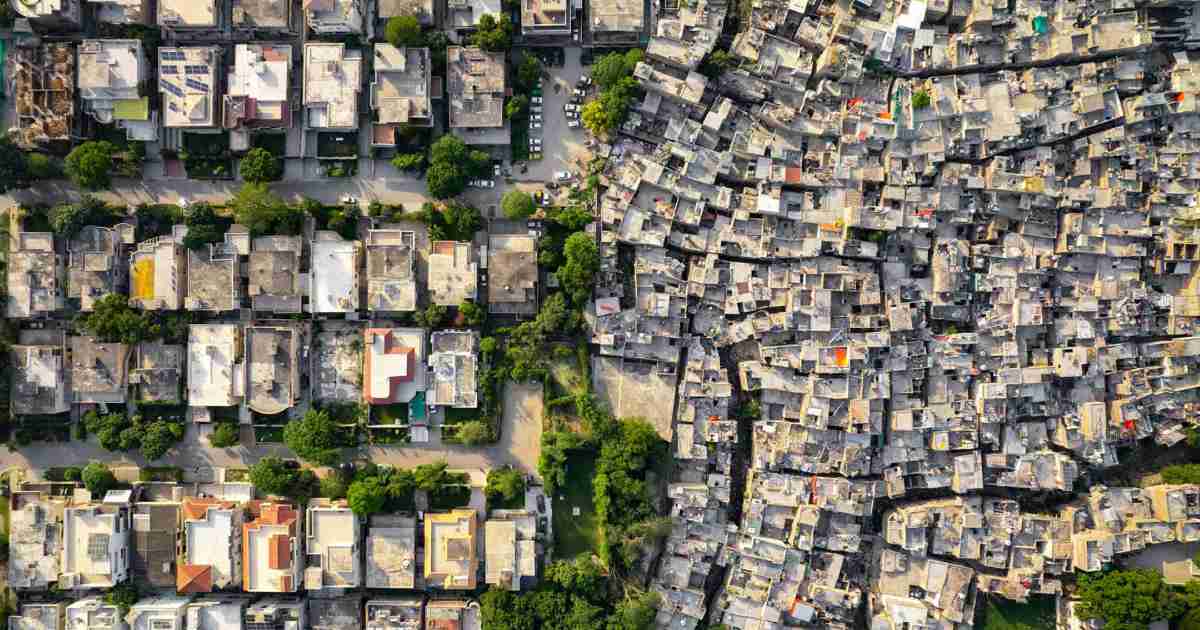
In Karachi, over 60% of the population lives in informal settlements occupying less than a quarter of the city’s residential land, while planned areas for wealthier groups consume most land at low densities.
These settlements increasingly densify vertically without regulation. Buildings lack ventilation, insulation, and safety standards.
The 2015 Karachi heatwave, which caused over 1,200 deaths, highlighted how poor housing conditions amplify climate risk for low-income communities.
Renting as a Long-Term Outcome
With ownership increasingly inaccessible, renting has become permanent rather than transitional. Between 2020 and 2024, rents in major cities rose by 25–35%. More than half of urban households spend over 30% of their income on housing, exceeding international affordability thresholds.
Public spending on housing remains negligible. Stabilising the deficit would require investment of around PKR 100 billion annually for a decade, while actual allocations remain a fraction of that figure.
At the same time, vacant plots and apartments remain unused, land speculation goes largely unregulated, and planning frameworks continue to favour high-end development.
Informal settlements are more often targeted for eviction than upgrading, and that is the biggest tragedy.
All in all, housing policy in Pakistan has not failed due to lack of demand or capacity, but due to persistent misalignment between who housing is built for and who actually needs it.
Stay tuned to Brandsynario for latest news and updates