













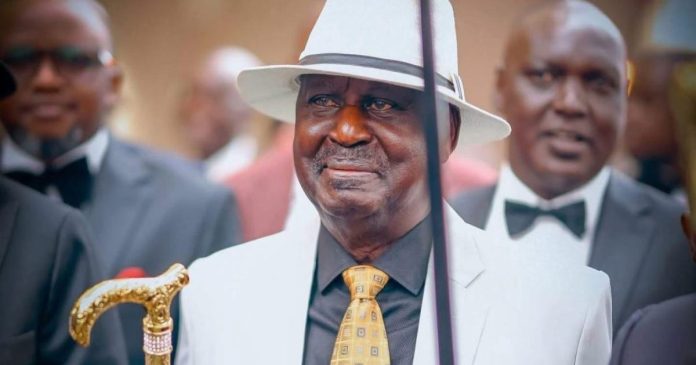

Raila Amolo Odinga, who has died at the age of 80, was one of the most influential figures in Kenya’s political history. He never became president, but was one of the few leaders who shaped the nation’s destiny profoundly.
Born on 7 January 1945 in Maseno, Kisumu County, Odinga was the son of Jaramogi Oginga Odinga, Kenya’s first vice president and a revered anti-colonial leader. His father’s defiance of British rule and his later clashes with President Jomo Kenyatta set the tone for Raila’s own political life.
Fondly known across Kenya as Baba, meaning “father,” Odinga died in India, where he had been receiving treatment for an undisclosed illness.
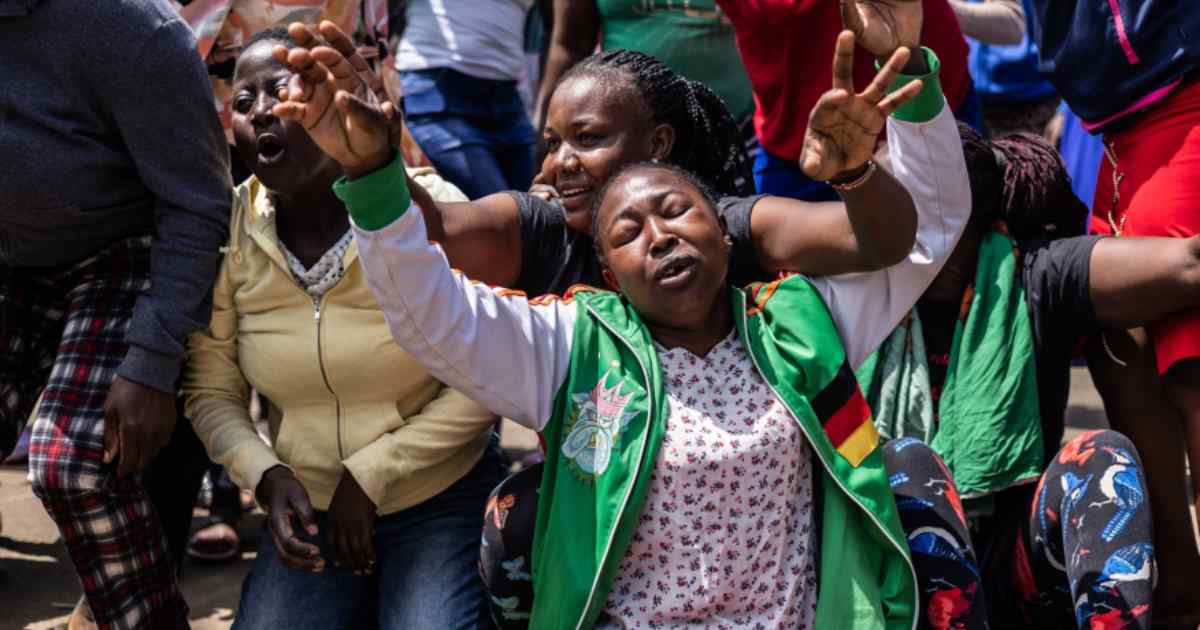
He died early Wednesday morning, on 15th October, while receiving treatment in India. His death marks the end of an era for a towering African statesman and leaves a deep void in the country’s politics.
Who Was Raila Amolo Odinga?
Raila Odinga’s political journey began with hardship and imprisonment. After studying mechanical engineering in East Germany, he returned home in 1970 as a lecturer and later joined the government standards agency. In 1982, he was accused of involvement in a failed coup against President Daniel Arap Moi and detained without trial for six years.
It was the first of several imprisonments that made him Kenya’s longest serving political detainee.
These years behind bars transformed him into a symbol of defiance. When multi-party politics were restored in the early 1990s, Odinga emerged as one of the key figures pushing for democratic reform. Although he ran for president five times, between 1997 and 2022, victory always eluded him.
Yet each campaign deepened his connection with ordinary Kenyans who saw in him a voice for justice and change.
In the 2007 election, Raila Odinga appeared on the brink of power, but the vote count was suddenly declared in favour of incumbent Mwai Kibaki. The disputed result plunged Kenya into one of its darkest moments, as post-election violence left more than a thousand people dead and thousands more displaced.
A peace deal, brokered by Kofi Annan, led to a power-sharing government in which Odinga became prime minister. During his tenure, Kenya adopted a new constitution in 2010 that devolved power to local counties and strengthened democratic institutions.
In later years, however, Odinga’s choices became more pragmatic. He forged unexpected alliances with former rivals, including President Uhuru Kenyatta in 2018 and President William Ruto in 2025. Supporters saw these partnerships as acts of national unity.
A Pivotal Figure Who Changed Kenya
Raila Odinga commanded passionate loyalty, especially from his Luo community in western Kenya, but his appeal reached far beyond ethnic lines. His rallies drew huge crowds, often filled with music and laughter. His slow-motion “Raila Dance” and his love of reggae made him both relatable and iconic.
To his followers, he was Agwambo, meaning “Act of God,” and Tinga, a nickname drawn from his party’s tractor symbol in the 1997 election.
Outside politics, Odinga was a devoted family man and a lifelong supporter of Arsenal Football Club. He was married to Ida Odinga, with whom he had four children: the late Fidel, Rosemary, Raila Junior, and Winnie.
Raila Odinga’s life captured the contradictions of Kenyan politics. He stood against oppression yet sometimes worked with those in power. Raila condemned corruption but also entered alliances that raised eyebrows. He championed democracy yet was repeatedly defeated by a system he helped reform.
Even so, he never lost sight of his core belief that democracy, fairness, and freedom were the foundations of national progress.
Raila Odinga’s death closes a remarkable chapter in Kenya’s story. He never achieved his dream of becoming president, but his influence is visible in every corner of the country. The 2010 constitution remains his crowning achievement, and his long struggle for multi-party democracy redefined Kenya’s political identity.
Stay tuned to Brandsynario for the latest news and updates