


















YouTube creators are cashing in like never before.
The platform brought in a staggering $9.88 billion in advertising revenue in the first quarter of 2026. This figure reflects YouTube’s ad business overall, which is why YouTube is experiencing its most profitable period for content creators. From Shorts monetisation to AI-powered production tools, the rise in YouTube profit is transforming digital careers globally.
A Breakthrough Year for YouTubers
The creator economy is no longer a side hustle industry. It is now a full-scale global business ecosystem.
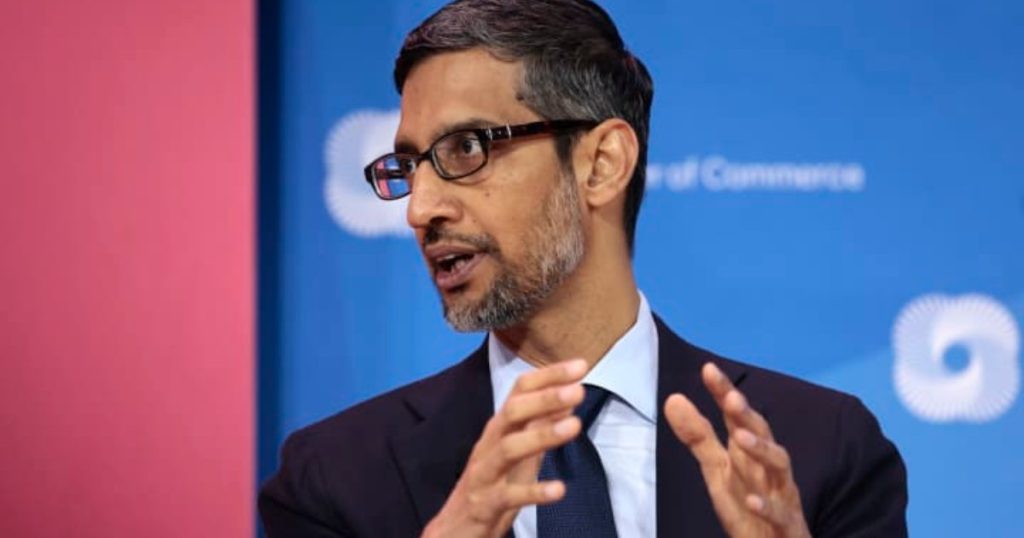
In 2026, Alphabet reported total Q1 revenue of $109.9 billion. YouTube played a major role in that growth as CEO Sundar Pichai revealed viewers now watch more than 200 million hours of YouTube content on a daily basis. At the same time, over 10 million channels publish Shorts every single day.
This explosive activity is directly increasing YouTube’s profit, which eventually expands the earning pool for creators across every category. Even more importantly, creators now have multiple revenue streams by going beyond traditional ads.
YouTubers Are Earning From More Than Just Ads
The old model of relying only on AdSense is quickly fading.
Today’s creators earn through:
- Channel Memberships
- YouTube Premium revenue
- Brand sponsorships
- Affiliate links
- Shorts monetisation
- YouTube Shopping
- Live stream donations
YouTube reportedly distributed over $100 billion to creators during the past four years. Industry estimates suggest payouts crossed $20 billion in 2025 alone. With subscription rates building up, this momentum has accelerated.
YouTube Premium recently crossed 125 million subscribers, while Alphabet’s total paid subscriptions reached 350 million globally. The growth of recurring subscription income is making YouTube’s profit more stable for creators than ever before.
AI Is Changing the Creator Game
Artificial intelligence is transforming how YouTubers go about their work.
Creators now use AI tools for:
- Automatic dubbing
- Thumbnail generation
- Captioning
- Video highlights
- Script assistance
- Multilingual content adaptation
This means smaller creators can produce content faster without having to hire a massive team. Google’s Gemini AI ecosystem is also connected to YouTube’s growth strategy. According to Sundar Pichai, “This was our strongest quarter ever for our consumer AI plans, driven by the Gemini App.”
With lowered production costs, creators can scale channels globally while increasing YouTube profit margins significantly.
Which Content Formats Earn the Most?
Earnings are still brought in majorly from long-form videos, particularly niches like finance and technology. Those who make content for high-value industries have reported RPMs between $12 and $25 per thousand views.
Estimated 2026 averages include:
- Long-form videos: $1,000–$10,000 per million views
- Live streams: $5,000–$15,000 per million views
- Shorts: $10–$60 per million views
While Shorts have less direct pay, they bring in impressive audience growth and sponsorship opportunities. That combination is helping many creators maximise YouTube profit faster than in previous years.
The Creator Economy Is Becoming Mainstream
YouTube’s rise reflects a much larger digital shift. Young creators no longer view content creation as a mere hobby. It is now seen as a serious business model capable of generating international income and brand partnerships, and can be built into a long-term career.
Meanwhile, advertisers continue pouring money into online video because audiences spend more time watching creators than traditional television. Despite narrowly missing the analyst prediction of $9.99 billion, this momentum proves that 2026 may be the most profitable year yet for YouTube creators.
Stay tuned to Brandsynario Tech for latest news and updates



 Join a Channel
 Brandsynario
 Veryfilmi