














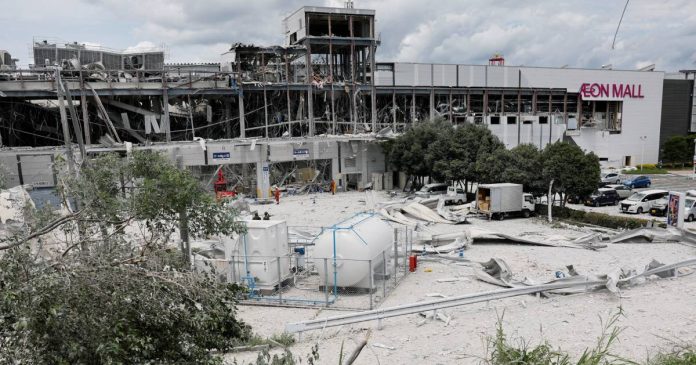

A powerful magnitude 7.1 earthquake struck Kumamoto Prefecture on Tuesday, triggering a devastating secondary explosion at the newly rebuilt Aeon Mall Kumamoto. The facility had reopened just last month after years of extensive seismic retrofitting. However, structural reinforcement could not prevent a massive blast from ripping through the building an hour after the tremor, leaving at least three people dead and several others missing under the rubble.
Key Takeaways
- A 7.1 magnitude quake struck Kumamoto, followed an hour later by a major blast inside the mall.
- First responders confirmed three deaths, while rescue teams continue searching for missing workers.
- Aeon Mall Kumamoto reopened in June 2026 with upgraded, quake-resistant engineering after collapsing in 2016.
- Authorities suspect a Liquefied Petroleum Gas (LPG) leak ignited inside the building.
Panic and Chaos in Kashima
The primary tremor shook the complex violently for ten seconds on Tuesday afternoon. The massive facility houses over 200 retail outlets, restaurants, and a cinema. Inside, store employees and shoppers dropped to the floor as heavy dust filled the corridors.
Mall staff acted quickly to guide visitors outside. They evacuated more than 200 people to the outdoor parking lots. Many evacuees took shelter inside their vehicles during intense summer heat.
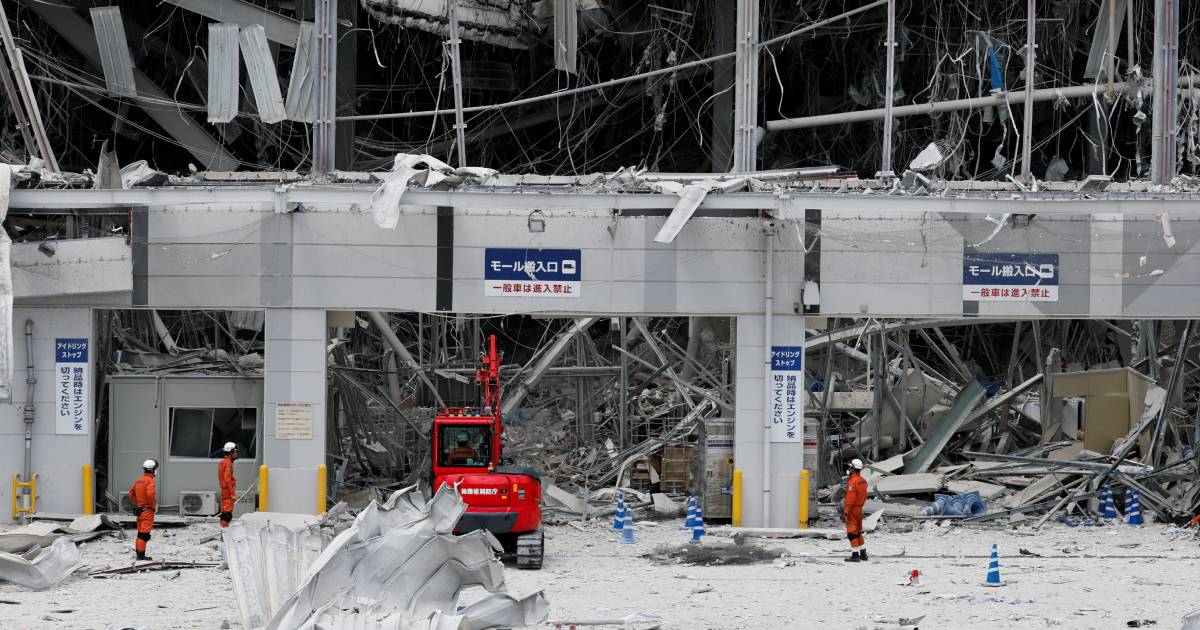
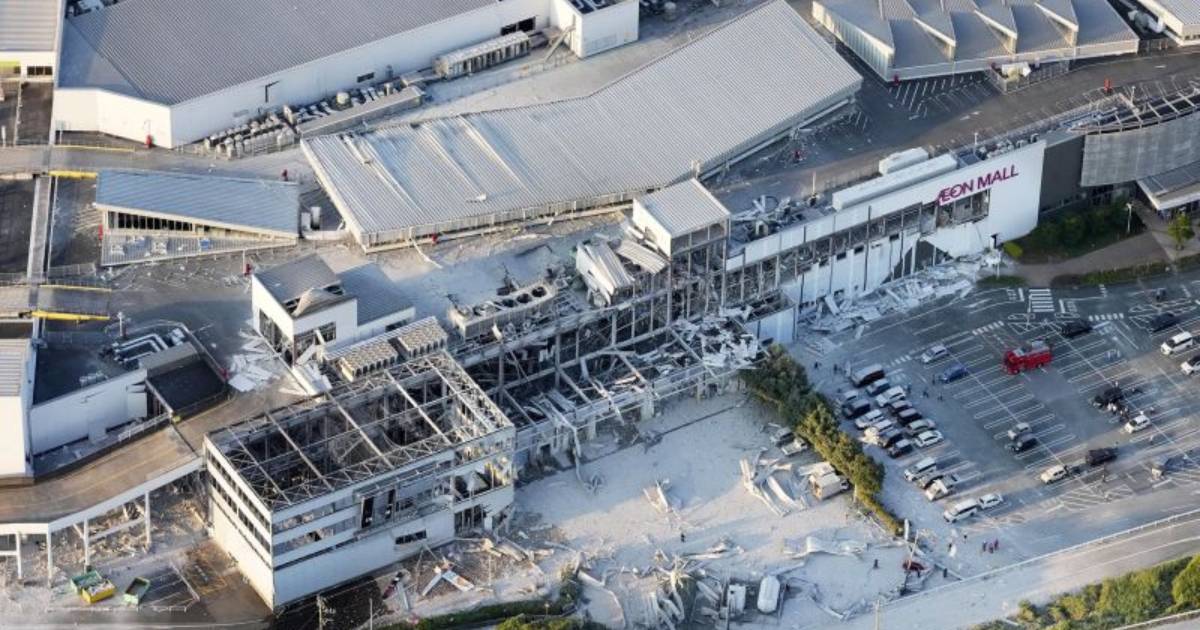
However, danger struck again an hour later. A massive explosion ripped through the main complex while people waited outside. The force of the blast blew open storefronts, collapsed reinforced ceilings, and hurled debris across the parking lot. Nearby business owners described the sound as a bomb going off. The explosion threw the surrounding roads into complete panic and gridlock.
Rescue Operations Face Severe Hazards
Emergency workers rushed to the scene immediately. However, dangerous conditions delayed initial search efforts.
Firefighters and police could not enter the wreckage right away. Over 100 aftershocks rocked Kumamoto on Tuesday evening, creating a severe risk of further structural collapses. Rescuers finally entered the ruins early Wednesday morning.
- Casualties: Rescuers pulled eight survivors from the wreckage and confirmed three deaths.
- Missing Personnel: Rescue teams are still searching for four store employees trapped inside.
- Military Support: Japanese Prime Minister Sanae Takaichi deployed roughly 170 Self-Defense Force soldiers to speed up search operations.
A Rebuilt Structure Fails Its Test
This disaster carries heavy irony for mall operator Aeon Co. A pair of deadly magnitude 7.3 earthquakes severely damaged the same facility back in April 2016.
Aeon spent years rebuilding and re-engineering the complex. The company officially reopened the site in June 2026 as a premier symbol of regional recovery and safety.
Engineers specifically added seismically reinforced ceilings and advanced structural bracing to resist heavy shaking. The building’s steel frame survived the initial earthquake. However, the structure could not withstand the internal pressure of the massive post-quake explosion.
Investigation Shifts to Gas Leaks
Government officials now focus their investigation on a possible gas leak. First responders reported a strong smell of gas coming from the rubble on Wednesday morning. Emergency vehicles broadcast continuous audio warnings asking civilians to stay away from the perimeter.
Unlike city centres that rely on piped natural gas, Aeon Mall Kumamoto uses Liquefied Petroleum Gas (LPG). Piped gas networks shut off automatically during earthquakes. LPG systems use microcomputer meters to stop gas flow when they detect seismic intensity.
Key Factors Under Investigation
-
Valves and Cut-Offs: Investigators are checking if the automated LPG shut-off valves failed during the shaking.
-
Ruptured Connections: Severe ground movement may have severed supply lines downstream from the safety meters.
-
Ignition Sources: Sparks from damaged electrical wiring likely ignited the gas buildup inside closed tenant spaces.
FAQS
1. What caused the Japanese mall collapse?
While the mall’s reinforced structure survived the initial 7.1-magnitude earthquake, a massive explosion roughly an hour later caused severe structural damage, blowing open storefronts and collapsing ceilings. Investigators suspect a Liquefied Petroleum Gas (LPG) leak ignited inside the facility.
2. Was the Japanese mall earthquake-proof?
Yes, Aeon Mall Kumamoto had recently undergone extensive seismic upgrades following severe damage from the 2016 Kumamoto earthquakes. It reopened in June 2026, featuring seismically reinforced ceilings and structural bracing. While the engineering successfully withstood the initial ground shaking, it could not withstand the internal pressure of the secondary explosion.
Stay tuned to Brandsynario for latest news and updates



 Join a Channel
 Brandsynario
 Veryfilmi