
















In 2026, being present on social media isn’t enough for a brand to reach its true potential. Brands must utilise these social media platforms to perform, evolve, and generate sales in real time. When going down the rabbit hole of social media platforms for brand growth, it’s important to get a hang of the rules, tone, and expectations of that platform.
All of the winning brands hold on to one key truth: success isn’t just about posting everywhere. The secret lies in mastering how each platform works and knowing which one caters to the specific goals of a user’s business.
Here are some of the best social media platforms for business that are showing up and elevating the game.
1. Facebook: Building Communities That Actually Convert
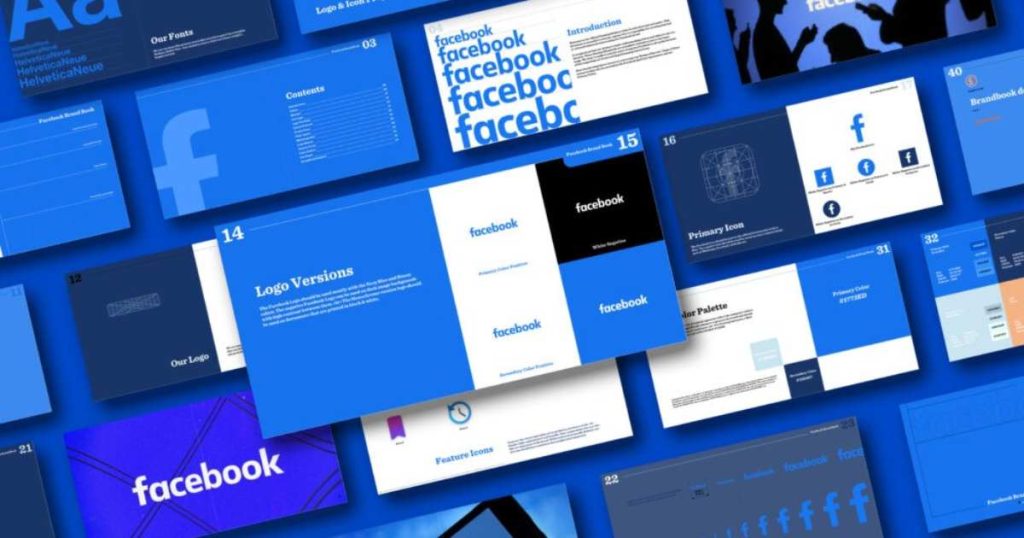
When it comes to social media platforms for brand growth, Facebook always leads the conversation. Facebook grants users heightened visibility, and now things have shifted to retention, too. Brands can no longer rely on one-way communication and are looking for community-led engagement.
Meaningful engagement is what fortifies a business, and mass visibility is just the first step to achieving that. Through Facebook, brands get to nurture the relationships built on it. As a social media platform, brands can use Facebook to build niche communities where customers get to engage, share, and stay connected. By operating within these groups, brands are able to build stronger loyalty rather than opting for the traditional public page with mass posting.
At the same time, brands are working on doubling down on targeting ads. Through Facebook, brands are able to track user activity. This allows them to put out personalised campaigns that persuade users with an interest to make purchases that accurately cater to their needs.
Brands can use Facebook for:
- Building niche communities
- Nurturing relationships
- Targeting ads
2. Instagram: Turning Content into Revenue Streams
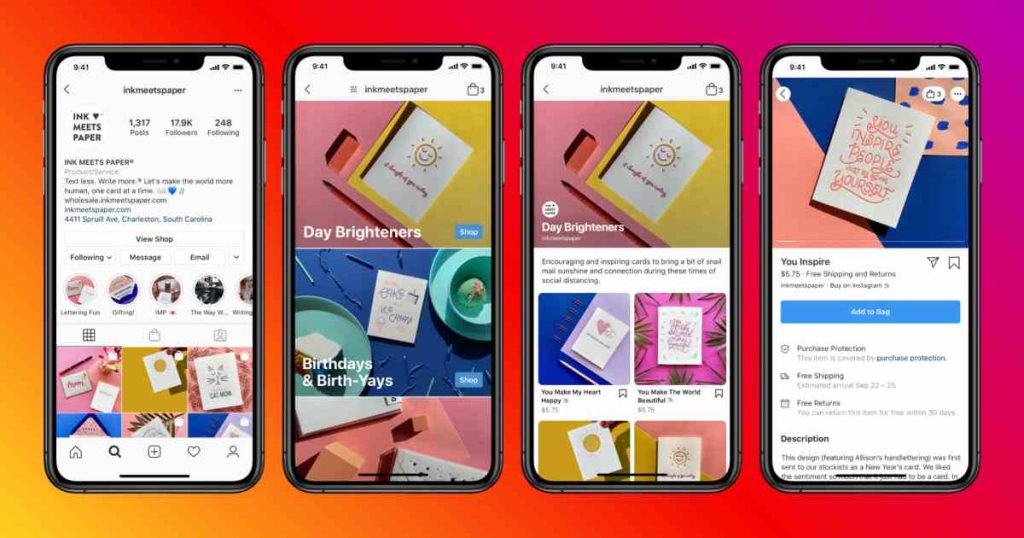
What was once a visual playground has evolved into a hybrid of content and commerce. Instagram has become one of the biggest e-commerce centres as a social media platform. Most modern shoppers report Instagram as being a key influence in their recent purchases, as well as relying on reviews on the app for greater trust.
Brands that are high-performing tend to focus on Reels. Brands use reels to follow trends, and the creative space allows them to adapt to fit their unique brand identity. Many brands use carousels to educate their customers about their products and put out narrative breakdowns of the product.
Another useful feature is Instagram Shops, which makes the buying process even easier. Users can discover and explore products without having to exit the app. With multiple options for sales conversion, Instagram is one of the best places to market a brand.
Brands can use Instagram for:
- E-commerce centres
- Reels and carousels
- Instagram Shops
3. TikTok: Where Authenticity Outperforms Perfection
If the cards are played right, TikTok is one of the best social media platforms for business. While brands generally focus on highly polished ads, it is authentic and relatable content that ends up making customers stay on the page.
For a brand to win, its content must be both organic and entertaining. TikTok has a reputation for humorous, trendy content, and if brands create content that feels fitting for the platform, they’ll be able to keep their customers’ attention.
TikTok also allows brands to try out new things. Instead of depending on a viral hit, brands get to post frequently, try out new formats, and monitor what works for them.
Brands can use TikTok for:
- Authentic, relatable content
- Trendy content
- Trial and monitor
4. YouTube: Playing the Long Game with Content
When a brand is seeking long-term value, YouTube is the place to go. While short-form platforms are all the rage right now, content on YouTube tends to perform over time.
Brands may utilise the social media platform for value-driven videos that provide information about their product and keep their customers engaged. This may include:
- Tutorials that help guide the customer on how to use a certain product
- Explainers that further familiarise users with the intent of a product
- Product deep-dives that build trust in the brand and establish authority
Search optimisation is also something to keep in mind when using YouTube to build a business. Brands must work to curate titles, generate thumbnails, and whittle down keywords that ensure content remains easy to search for after it’s posted.
Brands can use YouTube for:
- Value-driven videos
- Establishing authority
- Search optimization

5. LinkedIn: Humanising Brand Presence
While LinkedIn is known as a platform for corporate updates, it has now evolved into more. LinkedIn can now confidently be referred to as a social media platform for brand growth. While keeping a professional tone, brands get to build trust on their platform through authentic content.
Many turn to LinkedIn for narratives from brand founders. Founder content always does well as customers and clients grow curious about the personal stories, experiences, and insights of the one leading the brand. This develops a more meaningful connection than sterile corporate messaging.
Employee advocacy makes things even better. Seeing teams share company updates expands organic reach and also makes the brand feel more relatable.
Brands can use LinkedIn for:
- Building trust
- Founder narratives
- Employee advocacy

6. WhatsApp: Personalised Marketing at Scale
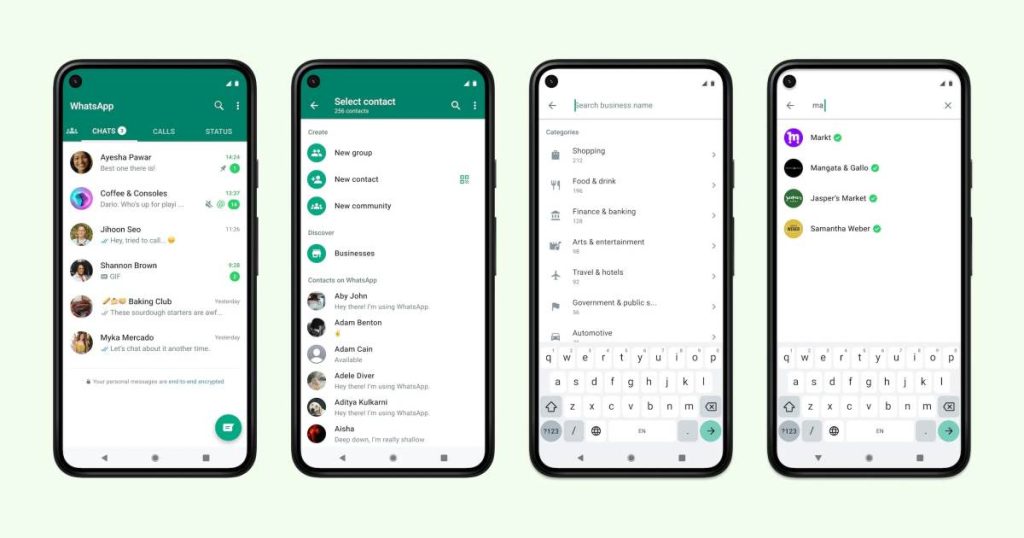
WhatsApp is a powerful tool for direct engagement. It takes things a step further and allows brands to communicate in a manner that feels more personal and immediate.
Brands use WhatsApp for:
- Automations to handle queries quickly
- Structured workflows to improve customer experience
- Broadcast lists to share updates and promotions
- Make announcements through WhatsApp communities
Along with this, brands use personalised data to make conversations feel more human. When recommendations are based on previous purchases, both engagement and sales increase.
Brands can use WhatsApp for:
- Direct engagement
- Automations and structured workflows
- Broadcast lists and communities
7. Pinterest: Visual Search That Drives Intent
In terms of top social media platforms, Pinterest does things a little differently. Users aren’t just mindlessly scrolling; people visit to actively search for ideas and inspiration.
For a brand to succeed on Pinterest, it needs to treat it like a visual search engine. Brands must focus on strong keywords, engaging descriptions, and visuals that immediately draw in users.
Consistency matters too. In order to keep content visible, regular pinning is key. Posting evergreen content also brings in traffic over time.
Brands can use Pinterest for:
- Visual search traffic
- Keywords, descriptions, and visuals
- Consistency and regular pinning
8. X (Twitter): Real-Time Relevance Wins
On X, timing is of the essence. To stand out, a brand cannot compromise on quick responses. Engaging in real-time conversations matters as well.
Tone and creativity are vital. Many brands build a name simply by being bold, witty, and distinctive from others. This leads to higher sales performance as brands may become viral and develop positive associations in customer perception.
The social media platform is also useful for customer service. Brand perception and trust are boosted when other users see quick and positive responses to public queries on there.
Brands can use X for:
- Quick responses
- Bold, witty, distinctive creativity
- Customer service
9. Snapchat: Creating Urgency and Exclusivity
For brands hoping to target younger audiences, Snapchat is a strong platform. With disappearing content, the app thrives on a sense of urgency that others do not offer.
Brands can use Snapchat to build their brand by:
- Putting up limited-time offers
- Offering flash sales
- Putting up exclusive previews
Through augmented reality, there is another layer of engagement. Interactive filters give users the opportunity to engage with and test out products in an immersive manner. An example of this is beauty brands using lenses to allow customers to try out cosmetic shades from the comfort of their home.
Brands can use Snapchat for:
- Urgency
- Immersive engagement
- Targeting younger audiences

10. Reddit: Earning Trust the Hard Way
This is one of the more challenging social media platforms for brand growth. On Reddit, transparency and honesty are a must, and anything gimmicky gets called out.
To establish a brand on Reddit, a different approach is required. Brands must authentically participate in discussions, provide insights that customers would actually want, and foster engagement that isn’t pushy. Another effective strategy is to host AMAs that allow brands to connect directly with users, answer queries, and develop credibility.
Brands can use Reddit for:
- Transparency and honesty
- Providing valuable insights
- AMAs (Ask Me Anything)
Final Take
With digital spaces being swarmed by brands, attention is a valuable currency. Each platform has something unique to offer, and brands must adapt accordingly.
The brands that succeed in 2026 will be the ones doing it right, not the ones doing the most. By taking an honest approach to nuance, seeing customers as human, and working on creativity, a social media platform transforms into a goldmine for brand growth.
FAQs
Q. Which social media platform is best for brand growth?
Ans. This varies based on the unique brand needs.
Q. How to grow a brand online?
Ans. Social media platforms are a key tool in online brand growth
Which social media platform is best for direct e-commerce sales?
Ans. Instagram is a leading choice for its ability to merge content with commerce.
Q. Which platform offers the most personalised marketing at scale?
Ans. WhatsApp, through automations, workflows, and recommendations based on personalized data.
Stay tuned to Brandsynario for latest news and updates