















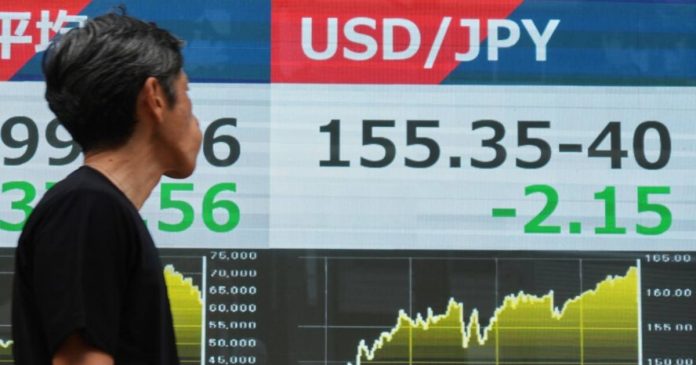

The US and Japan have officially confirmed a rare, coordinated joint intervention in global currency markets to buy the yen and halt its rapid decline. This high-stakes operation marks a significant return to joint action, as it is the first time the two nations have engaged in a joint currency intervention since 1998.
The move comes after the Japanese currency plummeted to a 40-year low against the dollar. To stabilise the market, Japan may have sold as much as $58.97 billion to buy yen when it intervened in New York markets on Friday, a staggering figure that has sent ripples through financial centres worldwide.
Key Takeaways
- The coordinated financial operation marks the first joint currency intervention between the US and Japan since 1998.
- Japan currently stands as the largest foreign holder of US government debt.
- The US funded its portion of the yen purchases by selling euros, a strategic twist that surprised financial markets.
- Washington joined the operation in part to prevent Japan from needing to dump large quantities of US Treasuries to finance a unilateral intervention.
The Friendship Move
Speaking on a Sunday, President Donald Trump described the American decision to step in as a signal of friendship towards Tokyo. At the time of his comments, the Japanese currency had already dropped to a 40-year low.
But this is about more than just numbers on a screen. Economist Jesper Koll noted that the dynamic under President Trump and Japanese Prime Minister Sanae Takaichi has entered a new phase.
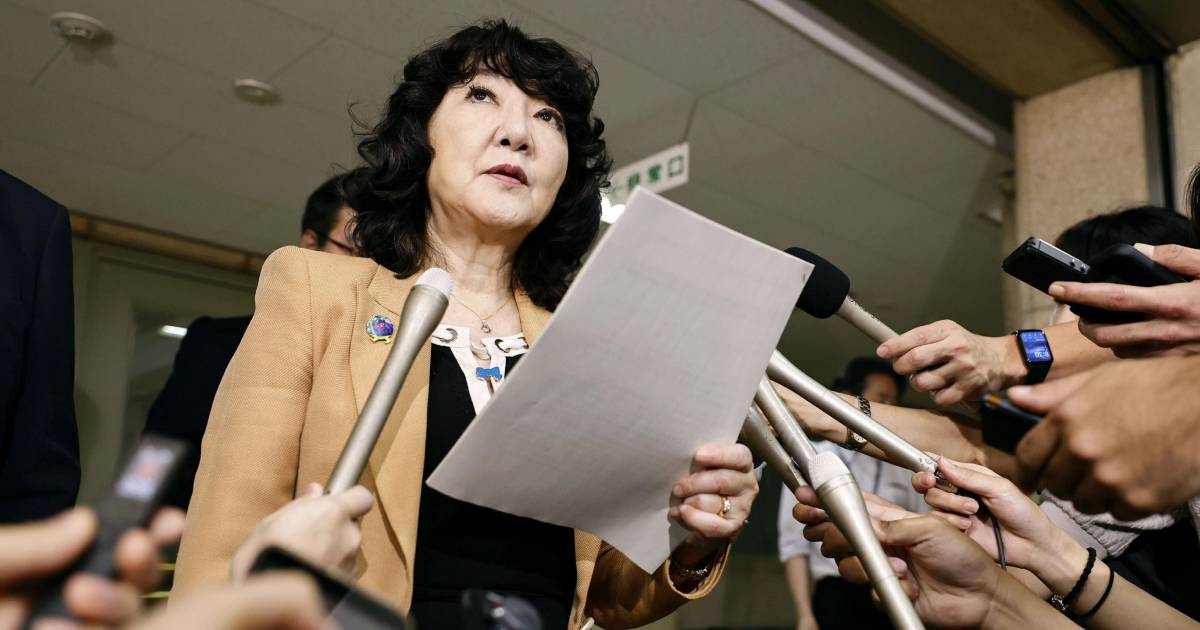
The message to the international community is clear. Describing the cooperation during the coordinated foreign exchange intervention, Koll added that “When Japan asks for help, America will answer Japan’s call.”
This intervention follows domestic efforts to stabilise the currency; the Bank of Japan raised its policy rate to 1% in June 2026, its highest level since 1995. However, a substantial interest-rate gap remains between the US and Japan, continuing to incentivise capital flows toward higher-yielding US assets.
Why Washington Stepped In
Behind the diplomatic warmth lies a hard reality of economic self-preservation. Japan is the largest foreign holder of US government debt.
Washington joined the operation in part to prevent Japan from needing to dump large quantities of US Treasuries to finance a unilateral intervention.
Treasury Secretary Scott Bessent ultimately decided to intervene alongside Japan to protect the American bond market. A massive Japanese sell-off would have put severe upward pressure on long-term interest rates. That pressure would subsequently cause US mortgage and credit card rates to spike for everyday consumers.
The Euro Twist
Then came the curveball that left traders scratching their heads: the mechanics of the intervention contained a major surprise. Reports confirmed that the US sold euros rather than dollars to fund its purchase of the yen. The Federal Reserve Bank of New York sold euros for yen on behalf of the US Treasury, executing the trades through Goldman Sachs and Morgan Stanley.
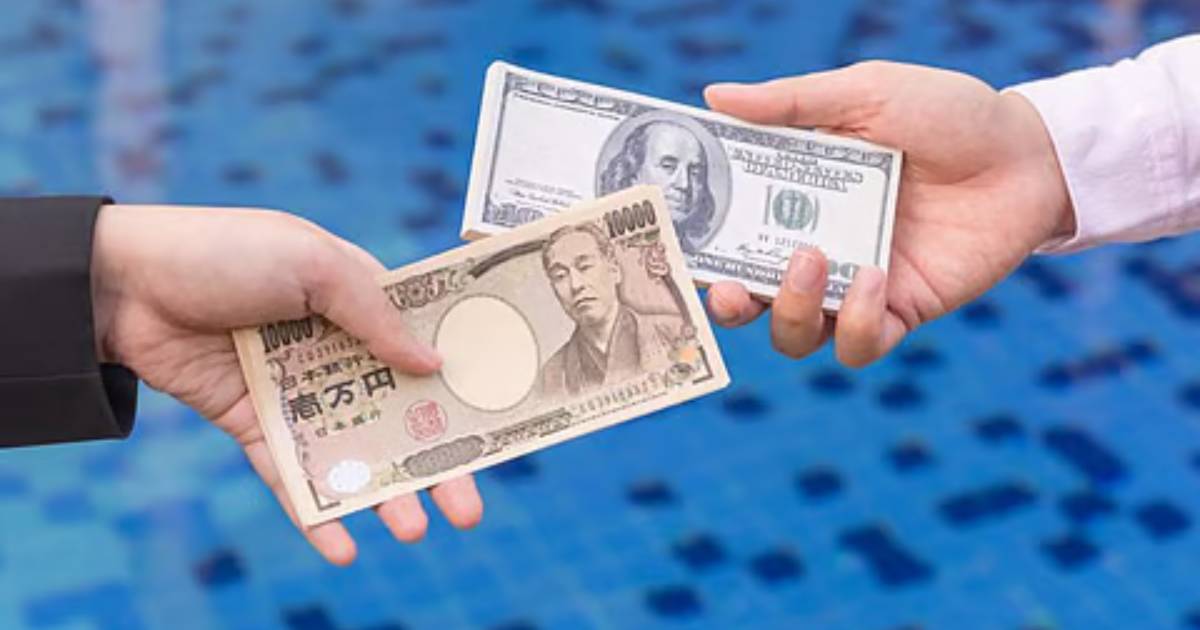
This unusual move immediately raised questions among analysts in financial centres. Many expected Washington to simply sell its own currency to drive down the dollar’s strength against the yen.
Commenting on the unexpected strategy, prominent economist Robin Brooks expressed his scepticism. He noted, “This kind of twist, in my opinion, undercuts the efficacy of U.S. participation, because it invariably will have markets wondering why the US didn’t just fund Yen buying out of Dollars”.
The ‘FIMA’ Backstop
Looking ahead, Tokyo is setting up a safety net to manage its currency without disrupting global debt markets. Japan’s Ministry of Finance plans to utilise the Federal Reserve’s Foreign and International Monetary Authorities (FIMA) repo facility for future interventions.
This specialised programme allows foreign central banks to temporarily exchange their American bonds for cash. Ultimately, it allows Japan to obtain crucial dollar liquidity to support the yen without ever having to permanently sell off the US Treasuries they own.
FAQs
1. Why did the US buy yen?
Washington joined the intervention to halt the yen’s rapid decline and prevent Japan from selling off large quantities of US Treasuries to fund its own currency rescue.
2. When was the last time this happened?
The recent coordinated operation was the first joint currency intervention between the US and Japan since 1998.
3. How did the US pay for it?
In a move that surprised financial markets, the US funded its purchase of Japanese yen by selling euros rather than dollars.
4. What happens to US interest rates if the yen stays weak?
If a weak yen forces Japan to sell its American debt holdings to raise cash, it puts upward pressure on long-term interest rates, which could cause US mortgage and credit card rates to spike.
Stay tuned to Brandsynario for latest news and updates



 Join a Channel
 Brandsynario
 Veryfilmi