















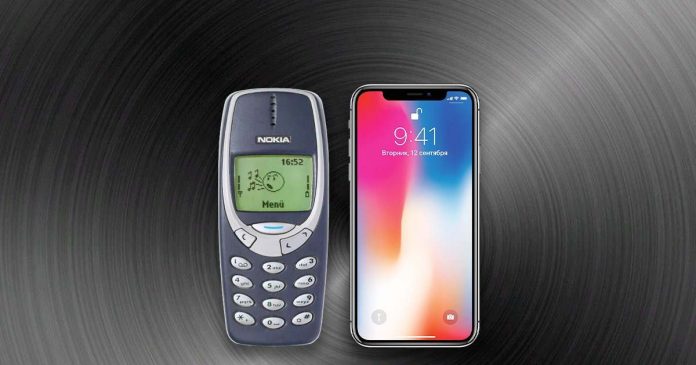

Apple’s recent leadership shift, the departure of John Giannandrea, its Vice President of AI, has revived a familiar question: Is Apple at risk of experiencing a Nokia-style decline?
With Amar Subramanya, formerly from Google and Microsoft, now taking charge of Apple’s AI foundation models, the company is pushing to catch up in the fastest-moving technological shift since the arrival of the smartphone.
In this article, we examine whether Apple’s current position mirrors Nokia’s trajectory by reviewing the data, leadership decisions, and market shifts shaping both companies.
Nokia’s Fall: The Figures Behind the Collapse
To understand whether Apple could repeat Nokia’s fate, it is important to revisit what actually happened to Nokia in measurable terms.
In the early 2000s, the company sat at the top of the mobile world. By 2007, Nokia controlled an estimated 40% of the global device market, sold roughly 437 million units that year, and carried a market capitalisation of €110 billion.
Its dominance was so large that it contributed around 4% of Finland’s GDP. But this success did not last. Between 2007 and 2013, Nokia’s market share collapsed as its phone market share plummeted from 50% in 2007 to just 3% by 2013.
In 2012 alone, the company recorded a loss of $1.27 billion. The final blow arrived when Microsoft purchased Nokia’s handset division for only €5.4 billion, a mere fraction of its former value.
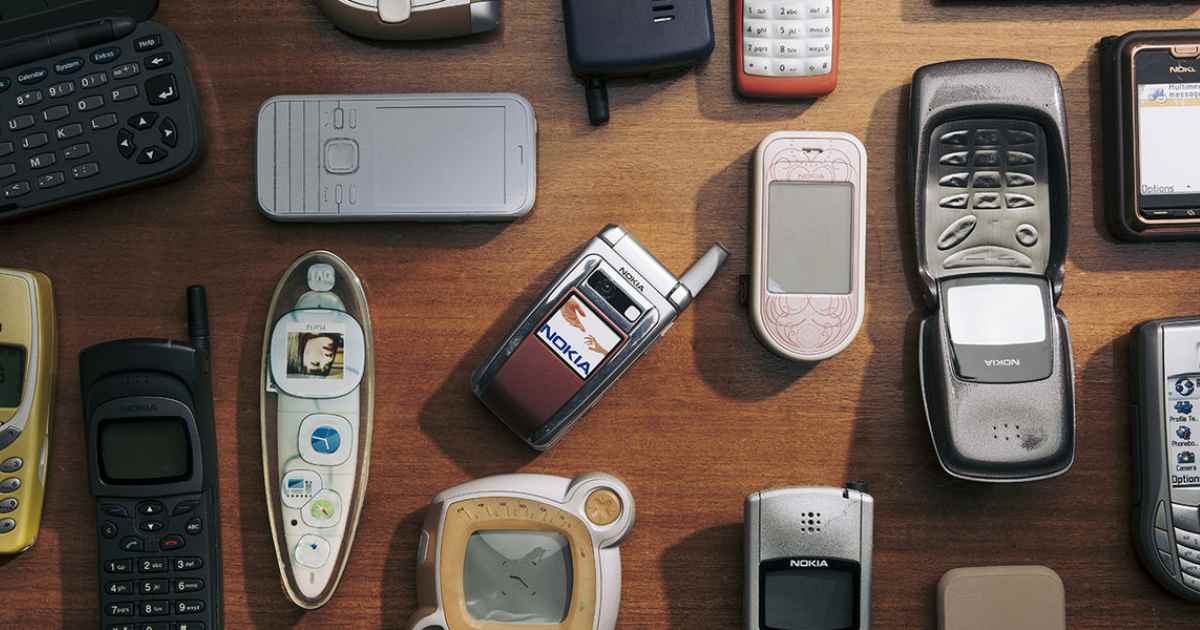
The underlying causes were structural. Symbian, Nokia’s operating system, suffered development delays of two to three years, while internal leadership conflicts across three major divisions slowed decision-making.
The company was also late to adopt capacitive touchscreen technology, a move Apple had made two years earlier. Nokia’s decline was not a sudden event; it was a slow collapse followed by a rapid fall.
Leadership and Culture Inside Apple: A Shift Reflected in the Numbers
Analysts and scholars consistently highlight a cultural shift inside Apple, from the visionary and experimentation-driven ethos of Steve Jobs to the operational efficiency and financial discipline of Tim Cook.
Under Jobs, Apple’s stock rose one hundredfold, while the company launched new product categories approximately every three to four years, including the iPod, iPhone, and iPad.
In 2009, Apple’s R&D spending stood at $1.33 billion, a modest figure compared to today.
Under Cook, Apple reached unprecedented financial heights, becoming the world’s first and only company to hit $1 trillion in 2018, $2 trillion in 2020, and $4 trillion in 2025.
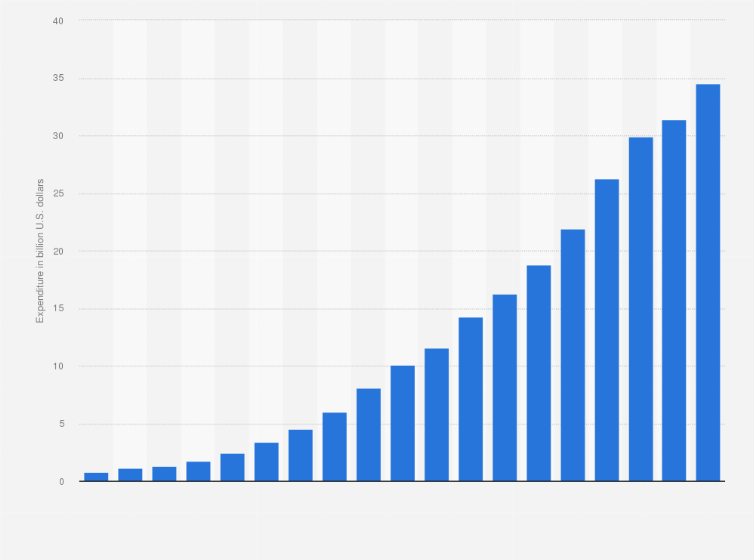
Despite this, only one major new platform, the Vision Pro, has been introduced during his tenure. Apple’s R&D spending now exceeds $30 billion per year, yet the visible output of groundbreaking innovation is comparatively modest.
The combination of high research spending and fewer revolutionary products points to a cultural shift in which operational excellence has overshadowed creative boldness.
Apple’s Innovation Slowdown: What the Numbers Show
Critics have long argued that Apple lost its disruptive edge after Steve Jobs. Some of the figures support this concern. In 2018, the iPhone generated 59.1% of Apple’s overall revenue; by 2025, it still accounted for 51%.
Such heavy dependence on a single product category closely mirrors Nokia’s reliance on feature phones during its peak years.
Apple’s innovation pipeline has also narrowed. The last category-defining device Apple launched was the iPad in 2010, fifteen years ago.
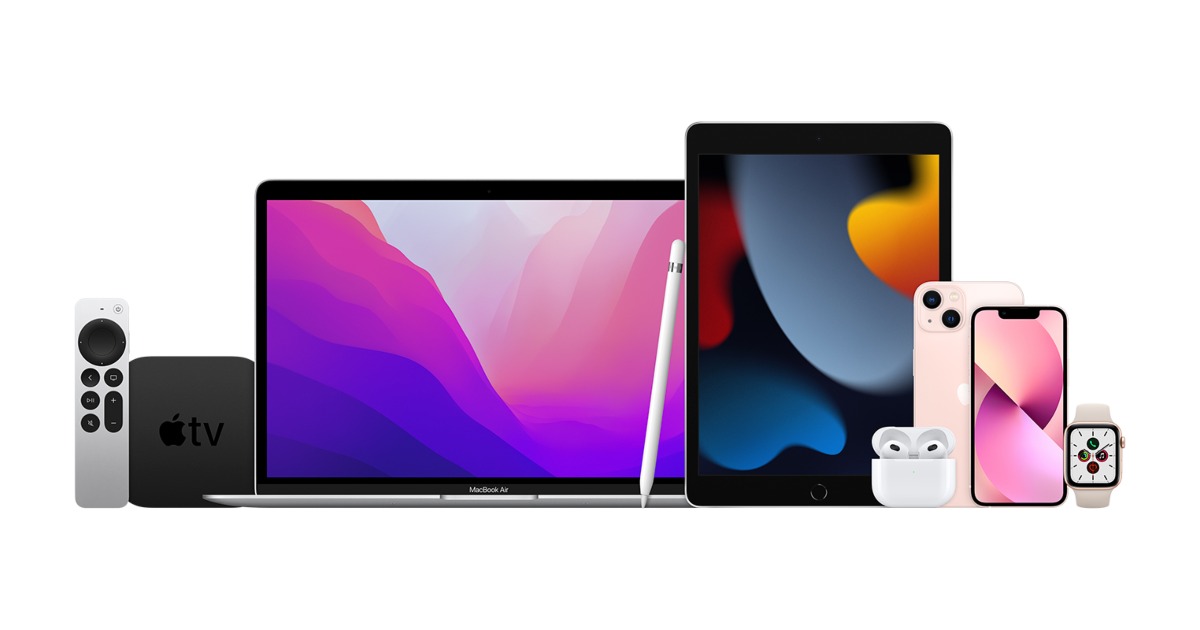
Meanwhile, Siri, launched in 2011, and Apple’s more recent AI system, Apple Intelligence (2024), have fallen behind industry leaders such as OpenAI, Google, and Microsoft.
These competitors have advanced multiple AI model generations ahead of Apple. The company may still be innovating, but the breakthroughs are increasingly incremental rather than transformational.
Apple’s AI Lag: Echoes of Nokia’s “Symbian Moment”
Artificial intelligence represents a technological revolution equal in scale to the arrival of smartphones in 2007, and Apple is not leading it.
Meanwhile, Apple’s biggest competitors have established dominant positions. OpenAI’s Chat GPT models attract hundreds of millions of weekly users through strategic partnerships.
Microsoft has integrated AI across Windows, bringing advanced capabilities to more than 1.4 billion devices worldwide. Google has embedded Gemini throughout Search, Android, and Workspace, instantly reaching millions.
Apple, by contrast, has struggled to keep pace. Progress on Siri has been repeatedly delayed, with improvements pushed from 2024 into 2025. Apple has even turned to Google’s Gemini to upgrade Siri’s intelligence, a move that reflects both urgency and vulnerability.
Internally, Apple’s AI workforce remains smaller and slower-growing than those of Google or Microsoft.
The departure of its AI chief after six years further signals internal tension, a warning sign reminiscent of Nokia’s leadership instability during its Symbian crisis.
Financial Stability vs Creative Decline: The Paradox
From a financial standpoint, Apple remains extraordinarily strong. In 2025, it reported total net sales of 416,161 million.
This level of stability ensures that Apple cannot “collapse” in the way Nokia once did. The company is thriving by all traditional financial measures.
The problem lies elsewhere. Apple is maintaining performance but not redefining the industry, particularly in emerging frontier technologies. In other words, the company is surviving and even flourishing, but it is not leading, a position Nokia also found itself in before its decline.
The Competitive Landscape: Areas Where Apple Is Losing Ground
While Apple continues to produce premium devices, its competitors have accelerated aggressively in both hardware and software.
Samsung has taken the lead in foldable technology, 200MP cameras, and display innovation. Huawei has staged an unexpected comeback despite sanctions, capturing 18.1% of China’s market in 2025.
In software and AI, Apple faces even steeper competition. Google has built Gemini directly into core services such as Search, Maps, and Android, while Microsoft’s Copilot is embedded across Windows and Office, reaching hundreds of millions of users. OpenAI, meanwhile, has created the fastest-growing consumer technology product in history.
In this environment, Apple is reacting to competitors rather than dictating trends, a pattern strikingly similar to Nokia’s behaviour in its final years of dominance.
Could Apple Fall?
There are reasons to believe Apple could mirror certain aspects of Nokia’s decline. The company is late to the AI shift in the same way Nokia was late to smartphones.
Its innovation cycle has slowed, and its dependence on legacy products resembles Nokia’s feature-phone dependency during the late 2000s.
However, Apple differs in one critical respect: its financial resilience. The company will not collapse the way Nokia did. Yet the real threat is more subtle.
Apple could shift from being a technology leader to being a follower, a company that maintains relevance but loses its cultural and creative dominance, just as Nokia transformed from a global powerhouse to a legacy brand.
Apple’s Future Depends on Whether It Can “Think Different” Again
Apple’s future hinges on its ability to lead the AI revolution rather than simply participate in it. If the company fails to create the next epoch-defining interface or device category, whether through AI interfaces, ambient intelligence, or new hardware.
It risks repeating Nokia’s greatest mistake: underestimating a paradigm shift while relying on past success.
Apple is unlikely to die like Nokia. But it may decline like Nokia, not financially, but creatively, and culturally, unless it rediscovers the boldness and originality that once defined its identity.
Stay tuned to Brandsynario for the latest news and updates.