
















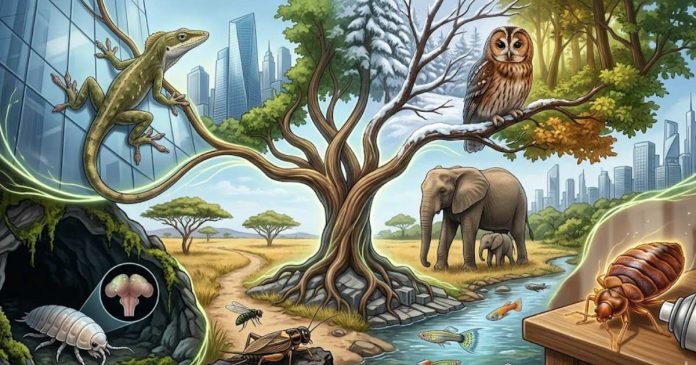

Evolution is not a slow crawl through history. It is a high-speed chase happening in our own backyards. Most people view evolution as a million-year process. However, modern species are rewriting the rulebook right now. Humans have transformed the planet, and nature is forced to keep pace.
Lizards are growing stickier feet to climb skyscrapers. Elephants are losing their tusks to dodge poachers. These shifts do not take years; they take decades. But we are witnessing a biological revolution in real-time. Natural selection has shifted into overdrive.
1. Urban Lizards Growing New Body Parts
Anolis Lizards in cities across Puerto Rico have developed larger and stickier toe pads. This will help them to adapt to smooth building surfaces.

Researchers have confirmed that this change happens due to genetic evolution. This shows how an evolution that would normally take up to decades is happening in real time.
2. Elephants Being Born without Tusks
Due to intense ivory poaching, tuskless elephants are increasingly surviving and reproducing. Ivory poaching refers to illegal hunting, killing, and capturing of wild animals, mainly Elephants.

In some populations, this trait has increased dramatically within a single lifetime. This is a very good example of how human pressure can accelerate evolution.
3. Cave Crustaceans are Losing their Brains
Species living in dark cave environments are not only losing their eyesight but also a section of their brains. The optic centres in the protocerebrum (part of the brain) are dramatically reduced or totally missing in blind species.
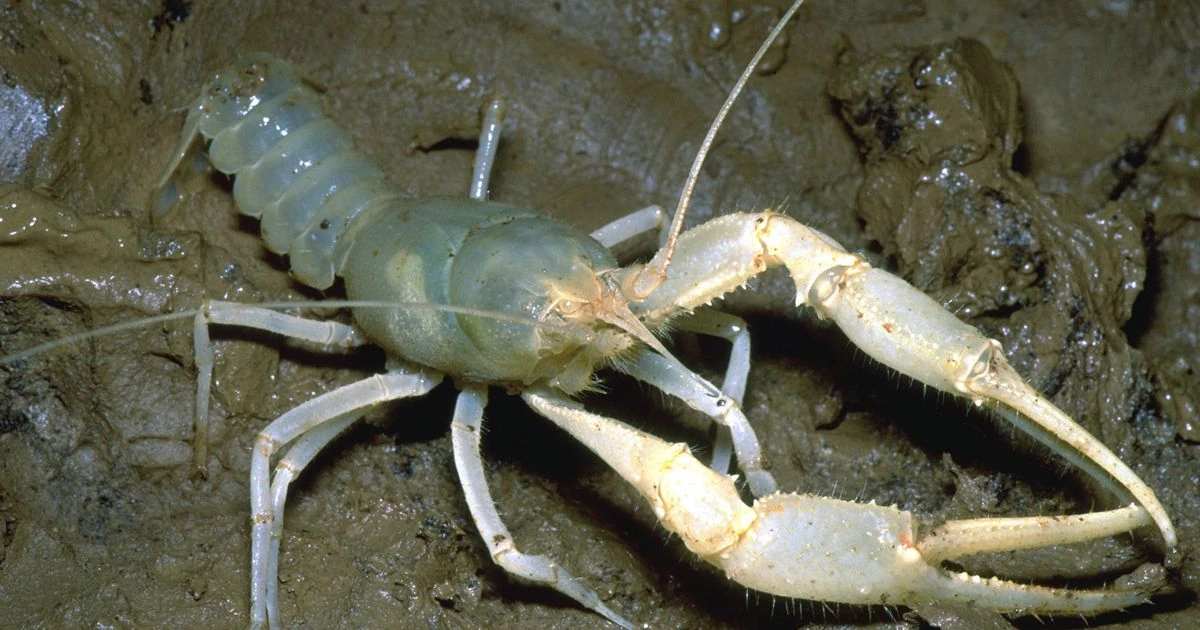
Studies show that while their visual brain areas shrink or disappear completely, the regions governing touch and smell remain robust or increase in size to adapt to perpetual darkness.
4. Hawaiian Crickets and their New Song
Over 90% of Hawaiian Crickets have developed a flatwing mutation, causing them to be incapable of their mating songs. This rapid evolution occurred over less than 20 generations to avoid a fatal parasitoid fly that uses song to locate hosts, with silent males adopting a satellite strategy to find mates.
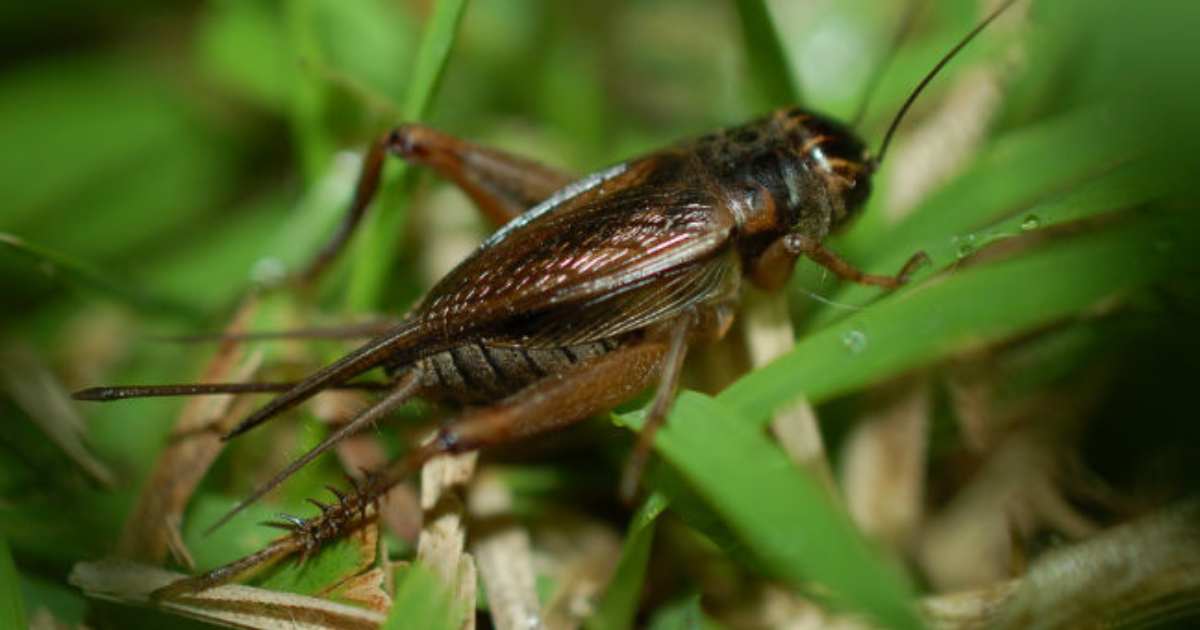
This helps them avoid predators who are attracted by their mating songs, so this new tune is not detected by predators. This shows rapid adaptations.
5. Tawny Owls Changing Colours
Tawny owls in Finland are evolving from grey to brown due to warm winters. As climate change reduces thick snow cover, brown owls, previously disadvantaged by visibility, are surviving better and increasing from 30% to 50% of the population.
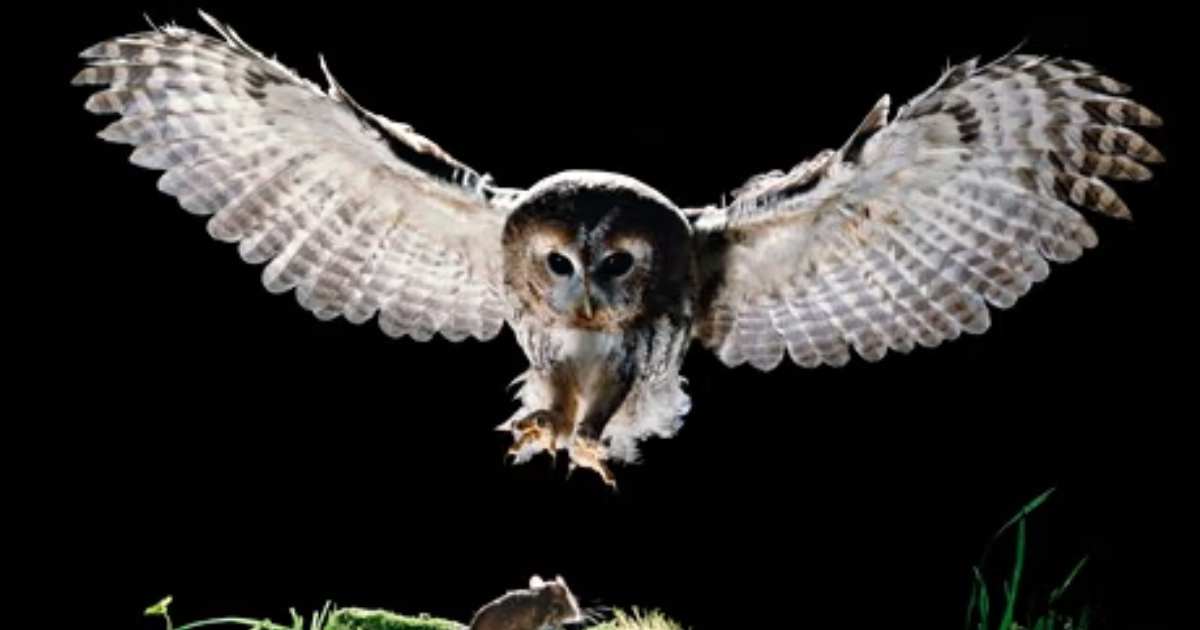
This is a direct example of climate-driven evolution reducing the prevalence of grey plumage.
6. Guppies Changing Traits
Guppies are famous in evolutionary biology for their ability to change traits rapidly in response to their environment, a phenomenon driven by both short-term phenotypic plasticity, adjustments within a single fish’s life, and rapid evolutionary adaptation across generations.
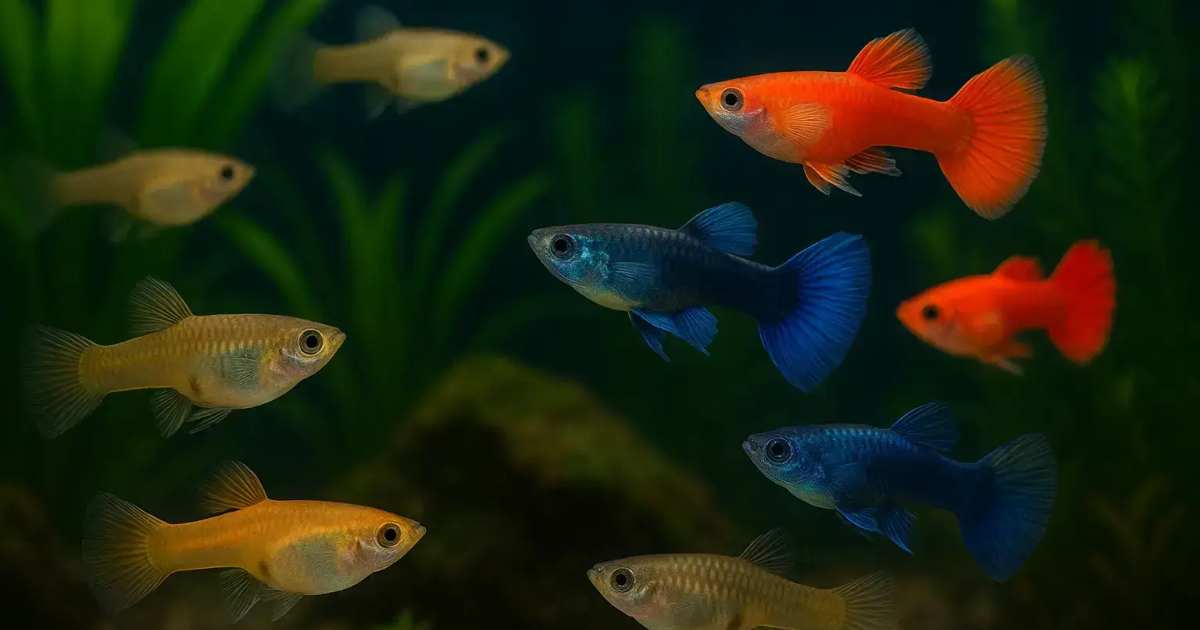
These genetic changes can occur in just a few generations, far faster than traditional evolutionary timelines.
7. Bed Bugs Becoming a Scarier Threat
Research indicates that bed bugs are evolving thicker, stronger exoskeletons (cuticles) as a direct response to insecticide exposure. This thickened skin acts as a protective shield, slowing or preventing the absorption of common pesticides into their bodies. This also acts as an armour to protect them from humans trying to kill them.
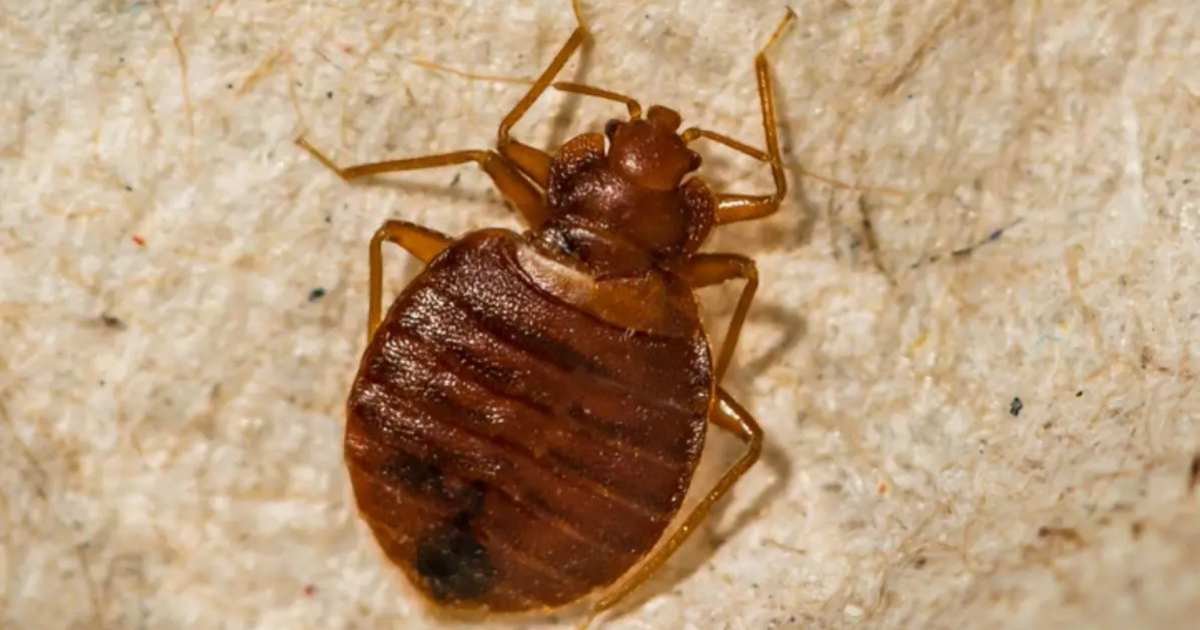
A thicker cuticle reduces the rate at which pesticides enter the bed bug’s body, allowing the insect to survive longer and potentially break down the chemicals before they are lethal.
We must stop viewing evolution as a dusty relic of the past. It is a living, breathing force that shapes our world every single day. We are no longer mere observers of this process; we are its primary catalysts. By altering the climate and building massive cities, we have forced nature to adapt at a breakneck pace. Some species will stumble, but others will continue to find ingenious ways to survive.
Stay tuned to Brandsynario for latest news and updates.



 Join a Channel
 Brandsynario
 Veryfilmi