














Have you heard someone shout “Six Seven” for no reason? Or call their friend a “Sigma” or describe food as “Bussin”? Welcome to the world of Gen Alpha slang! Younger internet users have created a language filled with memes, jokes, and viral expressions. TikTok, YouTube, and online gaming help these words spread quickly.
Some have clear meanings, while others make sense only to those who are chronically online. Here are 13 popular Gen Alpha slangs, their meanings, origins, and everyday uses.
Key Takeaways
-
TikTok, YouTube and gaming influence Gen Alpha slang.
-
Many expressions come from older internet communities.
-
Some words describe people, while others express emotions or humour.
-
Viral slang helps young people connect through shared jokes.
What Is Generation Alpha?
Generation Alpha includes people born approximately between 2010 and 2024. Gen Alpha grew up with smartphones, social media, online games, and digital entertainment. They are often described as digital natives. They use technology to learn, communicate, and entertain themselves. Some common traits include:
-
Tech-savvy: They use digital devices from an early age.
-
Trend-conscious: They follow viral videos, influencers, and memes.
-
Creative: They express themselves through videos and online content.
-
Globally connected: They pick up trends from different cultures and communities.
Popular Gen Alpha Slang and Their Meanings
1. Six Seven (6-7)
Rapper Skrilla popularised this phrase through his song Doot Doot (6 7). Basketball edits and TikTok videos helped it go viral. It has no fixed meaning. People often shout it as a random joke.
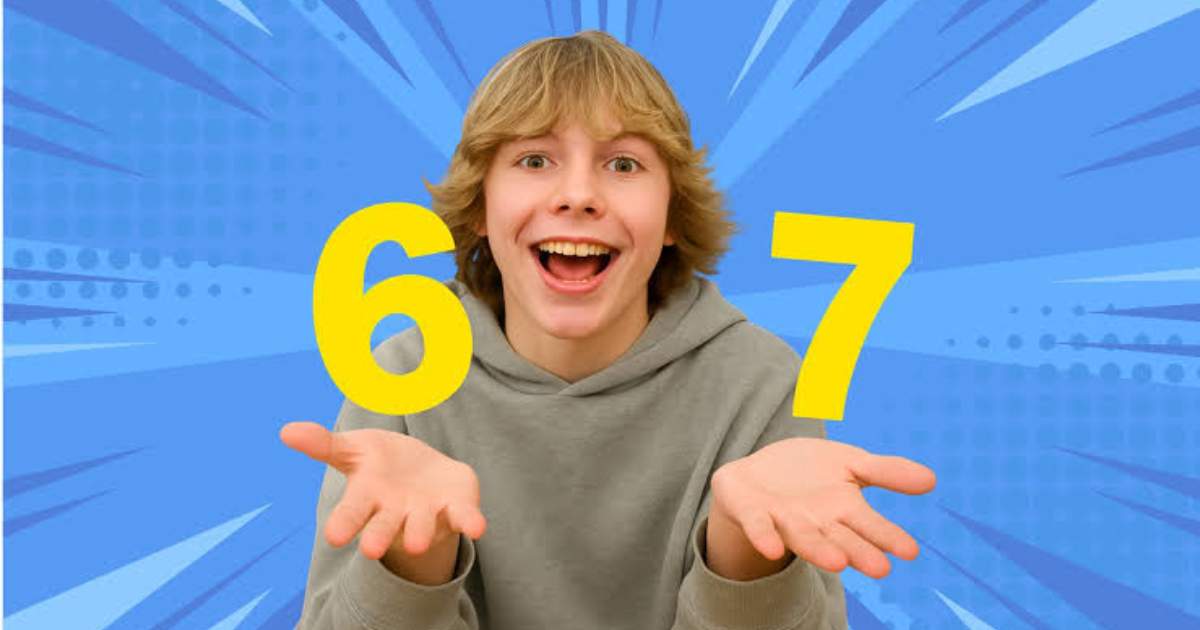
Example: “The teacher opened page 67, and everyone shouted Six Seven!”
2. Scuba
Scuba is a newer 2026 internet trend. It describes a gesture used to react to something that smells bad. Its exact origin is said to come from an AI-generated video of a Zootopia character doing the scuba dance.
Example: “What is that smell? Scuba!”
3. Skibidi Toilet
Animator Alexey Gerasimov created this bizarre YouTube series in 2023. It features toilet-headed characters and strange battles. People now use “Skibidi” to describe something weird or ridiculous.

Example: “What the Skibidi is happening here?”
4. Rizz
Streamer Kai Cenat helped popularise this word. Rizz comes from “charisma.” It describes someone’s ability to charm or attract another person.

Example: “He got her number without trying. That’s some serious Rizz!”
5. Brain Rot
Brain Rot describes excessive consumption of meaningless online content. It can also describe someone who constantly repeats internet memes. Oxford selected it as its 2024 Word of the Year.
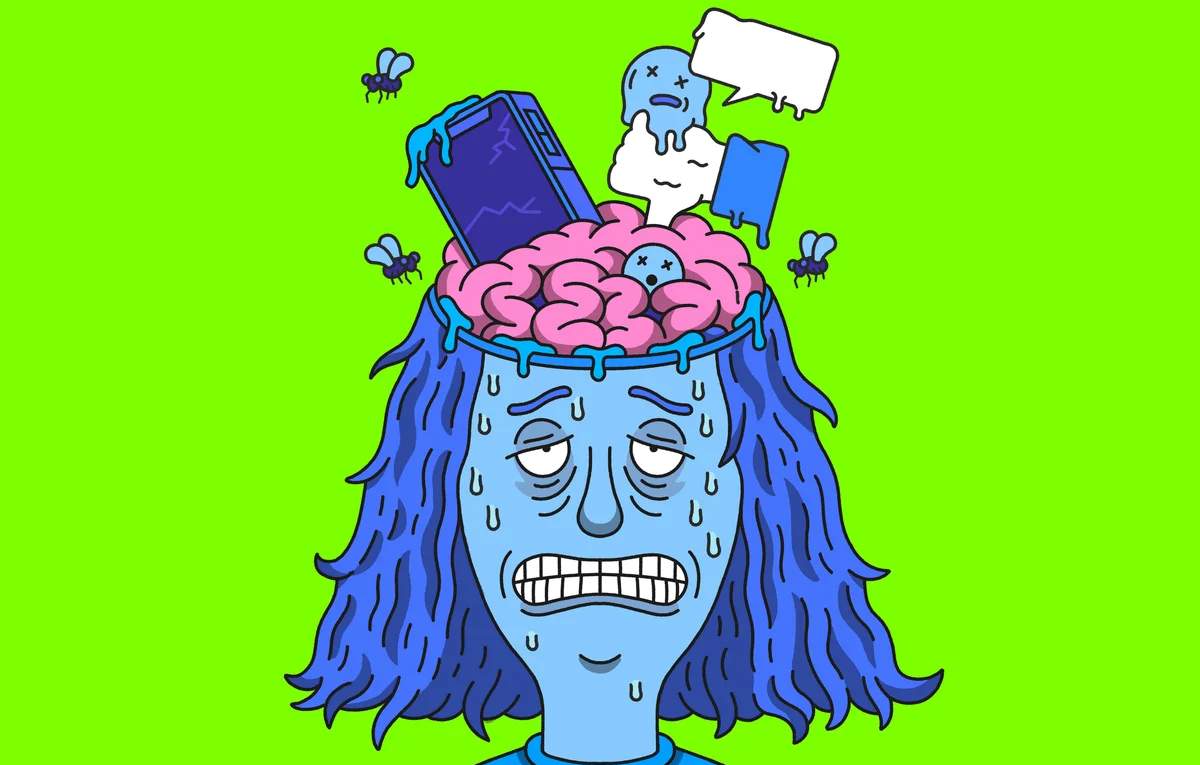
Example: “I’ve watched memes all day. My Brain Rot is real!”
6. Sigma
Sigma describes someone independent, confident, and self-reliant. Online masculinity communities popularised the term before meme culture gave it a humorous meaning.

Example: “He completed the assignment alone. What a Sigma!”
7. Chopped
Chopped describes someone considered unattractive or poorly dressed. TikTok helped popularise the expression. However, people can find it insulting.

Example: “That haircut is not working. You look Chopped!”
8. Giga Chad
Giga Chad describes an extremely confident, attractive, or muscular man. The meme features edited photographs associated with model Ernest Khalimov.

Example: “He helped everyone without expecting anything. Absolute Giga Chad behaviour!”
9. Aura Points
Aura Points measure someone’s imaginary coolness and confidence. People gain points through impressive actions and lose them through embarrassing moments.

Example: “He tripped while entering the room. Minus 500 Aura Points!”
10. Unc
Unc is short for uncle. People use it to tease someone who seems old or outdated. The term originated in African American Vernacular English (AAVE).

Example: “You don’t know that trend? Okay, Unc!”
11. Bussin
Bussin means extremely good or enjoyable. People often use it to describe delicious food. The expression has roots in AAVE.
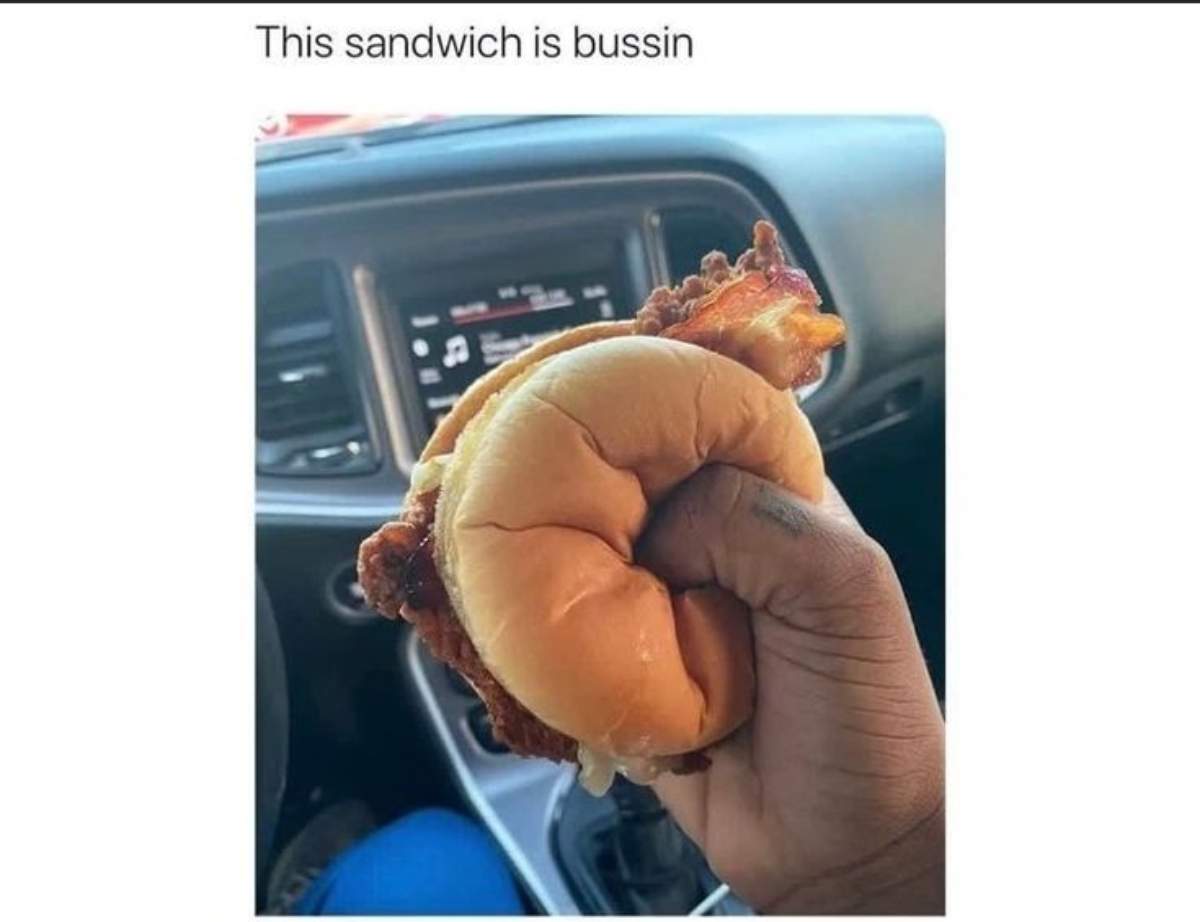
Example: “This biryani is Bussin!”
12. Crash Out
Crash Out means losing control and reacting impulsively. People often use it when someone gets extremely angry or makes reckless decisions.

Example: “He found out his friends went without him and almost crashed out!”
13. SYBAU
SYBAU stands for “Shut Your B**** A** Up.” People use it to tell someone to stop talking. Although it existed online earlier, TikTok helped popularise it again.

Example: “He kept spoiling the movie, so I said, Man, SYBAU!”
Note: This expression contains profanity and can sound disrespectful.
Why Does Gen Alpha Use So Much Slang?
Social media plays a major role in Gen Alpha’s language. TikTok, YouTube, and online games introduce new expressions every day.
Young people use slang to:
-
Connect with friends through shared jokes.
-
Express emotions and reactions quickly.
-
Participate in viral trends.
-
Build a sense of identity and belonging.
Final Thoughts
Gen Alpha slang reflects the humour and creativity of internet culture. From Six Seven to Rizz, these expressions show how quickly language changes online. Some trends disappear within weeks, while others become part of everyday conversations. So, the next time someone mentions Skibidi or starts counting their Aura Points, you’ll know exactly what they mean!
FAQs
1. What does Six Seven mean?
Six Seven is a viral internet phrase with no fixed meaning. People often use it as a random joke or response.
2. What does Skibidi mean?
Skibidi comes from the viral YouTube series Skibidi Toilet. People use it to describe something weird, funny or ridiculous.
3. What does Rizz mean in Gen Alpha slang?
Rizz means charisma. It describes someone’s ability to charm or attract another person.
Stay tuned to Brandsynario for the latest news and updates.

 Join a Channel
 Brandsynario
 Veryfilmi