














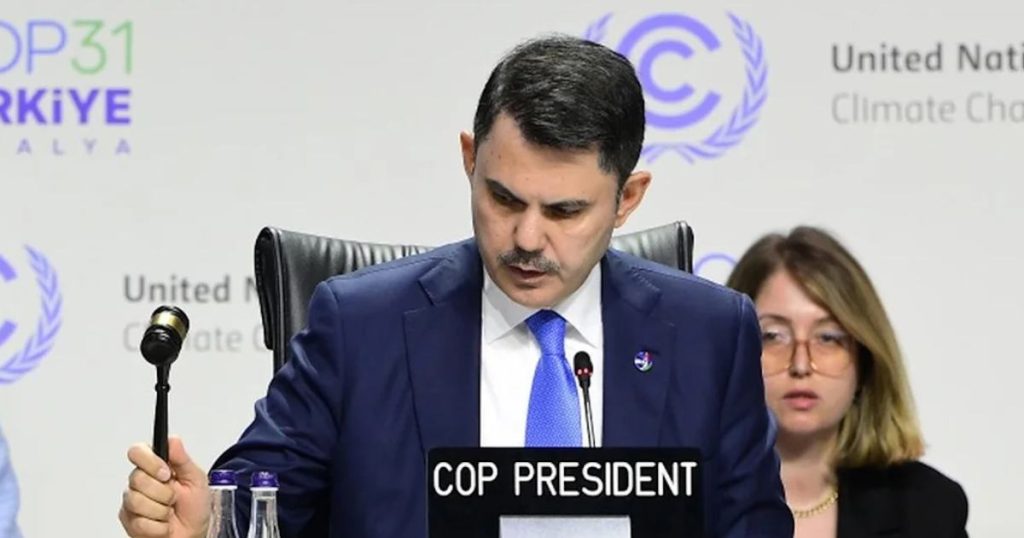
Nearly 200 countries left the COP31 climate summit in Antalya, Turkey, without a major agreement on Sunday, 22 November. Two extra days of negotiations had failed to resolve the dispute over fossil fuels, while poorer nations were still waiting for firm promises of financial support.
Key Takeaways
- COP31 negotiations continued more than 49 hours beyond their scheduled Friday finish.
- An early draft mentioned fossil fuels six times. The final version removed every direct reference.
- Developing countries also challenged the lack of specific funding commitments for climate adaptation.
The Words That Brought the Talks to a Halt
The dispute was not over whether climate change needed attention. It was over whether governments would name coal, oil and gas as part of the problem and commit to moving away from them.
The first draft of the agreement referred to fossil fuels six times. That wording did not survive negotiations. Oil-producing countries opposed it, and the final text offered only an indirect reference to the COP28 pledge to “transition away” from fossil fuels in energy systems.
For the European Union, that was nowhere near enough. Ireland’s climate minister, Darragh O’Brien, said the bloc “strongly” objected to the proposed agreement. He also called it “unconscionable” to approve a climate pact that made no mention of fossil fuels. Panama and the Marshall Islands rejected it too.
The fossil fuels COP31 disagreement exposed how far apart countries remain on the energy transition. Nations that depend heavily on oil and gas were reluctant to accept language that could put pressure on their economies. Others argued that leaving those industries out of the agreement made the entire exercise meaningless.
Poorer Nations Wanted Money, Not Another Promise
There was another unresolved issue at the negotiating table: who will pay for the damage climate change is already causing?
Developing countries have long argued that wealthier nations should help fund adaptation. They need resources to prepare for extreme heat, droughts, flooding and other climate-related threats. At COP30 in Brazil, countries agreed to triple adaptation finance. But the latest draft did not specify a funding figure or explain the baseline for measuring progress.
That omission left poorer nations with little assurance that the earlier promise would translate into actual support. Mohamed Adow of Power Shift Africa summed up their frustration: “Rich nations and polluting governments cannot keep arriving empty-handed.”
The World Is Running Out of Time
The failure in Antalya comes as the 1.5°C goal of the 2015 Paris Agreement slips further out of reach. Current government policies put the world on course for around 2.8°C of warming by 2100, according to the UN. Scientists expect the planet to cross the 1.5°C threshold for long-term warming in the coming years.
UN Secretary-General António Guterres said he was “deeply disappointed” by the outcome. He also criticised powerful fossil fuel interests for delaying climate action. Chris Bowen, Australia’s climate minister and the negotiations chair, admitted that countries had reached “unbridgeable red lines”.
Still, the summit was not entirely without progress. More than 80 countries backed Turkey’s target of increasing electricity’s share of global energy use to 35% by 2035. Delegates also moved forward on a proposed just transition mechanism, which would support workers and communities affected by the shift to cleaner energy.
Can the COP Process Recover?
The collapse has renewed questions about a system that requires consensus from participating countries. Even when most governments support stronger action, a small group can prevent an agreement from moving forward. Climate advocate Al Gore criticised the influence of oil-producing states and called for significant reform.
The fossil fuels COP31 talks have left those divisions in plain sight. The next summit, COP32, is scheduled for Ethiopia in November 2027. It will have to contend with the same difficult questions: how quickly countries should move away from fossil fuels, and who should carry the financial burden.
For now, the summit has ended without the agreement many countries wanted. The climate crisis, of course, has not paused while governments negotiate.
FAQs
1. Why did COP31 end without an agreement?
Countries could not agree on fossil fuels and climate finance.
2. Where was COP31 held?
Antalya, Turkey.
3. Where will COP32 take place?
Ethiopia, in November 2027.
Stay tuned to Brandsynario for the latest news and updates

 Join a Channel
 Brandsynario
 Veryfilmi