
















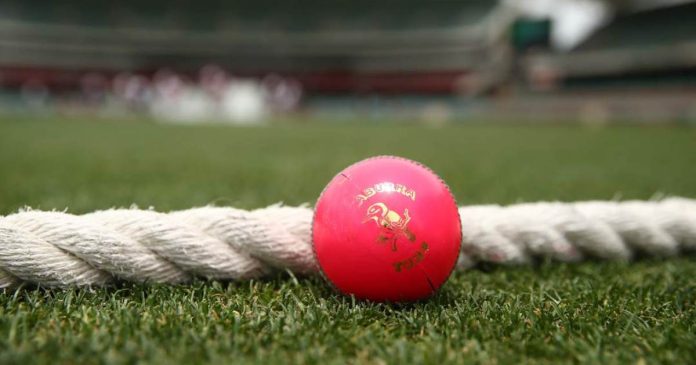

The ICC has approved a trial allowing pink balls in traditional daytime Test matches to reduce interruptions caused by bad light. Both teams must agree before a match can switch from a red ball to a pink ball. This change may be instrumental in improving both viewing experience and playing time.
The decision comes after years of matches being halted despite stadium floodlights available. By introducing pink balls in specific situations, the ICC hopes to keep games moving, reduce lost overs, and deliver a better experience for players, fans, and broadcasters alike.
Why Is the ICC Considering Pink Balls in Day Tests?
Bad light has become a recurring issue in Test cricket. Umpires often have to stop play because batters struggle to see the traditional red ball when the natural light fades.
The pink ball comes up as a practical solution. It is designed for better visibility under floodlights; it remains easier to track during twilight and evening conditions. As a result, the ICC believes matches can continue safely without unnecessary interruptions.
How Will the New Trial Work?
The trial does not mean that every Test match will suddenly switch to pink balls. Instead, teams must agree before the start of a match that a pink ball can be used if poor light becomes a concern.
This approach gives cricket boards flexibility while allowing the ICC to figure out whether the change genuinely reduces lost playing time. The governing body has not yet announced a timeline for the trial’s full implementation.

A Solution to a Growing Frustration
Recent Test matches have highlighted the problem. In 2024, more than half of the opening day of England’s Test against Sri Lanka at The Oval was lost because of poor lighting.
Many former players have argued that cricket needs to adapt. Former England captain Michael Vaughan summed up the debate by saying: “You go to a pink ball and carry on. Teams will have to accept they get unlucky. All these ideas, you’re not going to appease everyone. I just want to see them carry on.”
The ICC clearly sees value in exploring that approach.
Pink Ball Cricket Has Already Proven Successful
Pink balls aren’t something new in international cricket. They have been used exclusively in day-night Tests since 2015.
So far, the format has produced:
- 25 men’s day-night Tests
- 4 women’s day-night Tests
- Several high-attendance matches in Australia
Australia has dominated pink-ball cricket, winning 14 of its 15 day-night Tests. The format has become a regular feature of Australian summers and Ashes series.
More Changes Approved by the ICC
The latest ICC board meeting also introduced several other notable updates.
Head coaches and designated staff will now be allowed to enter the field during drinks breaks in ODIs and T20Is. Previously, communication could only be delivered through players carrying drinks.
Additionally, the ICC will:
- Research improved lighting technology with the MCC
- Allow officials greater access to Hawk-Eye data for suspect bowling actions
- Explore ways to better balance international cricket and franchise leagues
These changes reflect the governing body’s broader effort to modernise the game.
A Small Change with a Big Impact
At first glance, switching ball colours may not seem like a big deal. However, for Test cricket, it could result in a notable change.
If the trial succeeds, the ICC could significantly reduce stoppages caused by poor light while preserving the traditional format. More importantly, fans would get what they want most: uninterrupted cricket and results decided by skill rather than fading daylight.
FAQs
1. Why is the ICC introducing pink balls in daytime Tests?
To reduce play lost due to poor light and improve visibility.
2. Will every Test match use a pink ball?
No, both teams must agree before the match begins if they want to use a pink ball in case the visibility gets worse.
3. Has the pink ball been used before?
Yes, it has been used in day-night Test matches since 2015.
Stay tuned to Brandsynario for latest news and updates