
















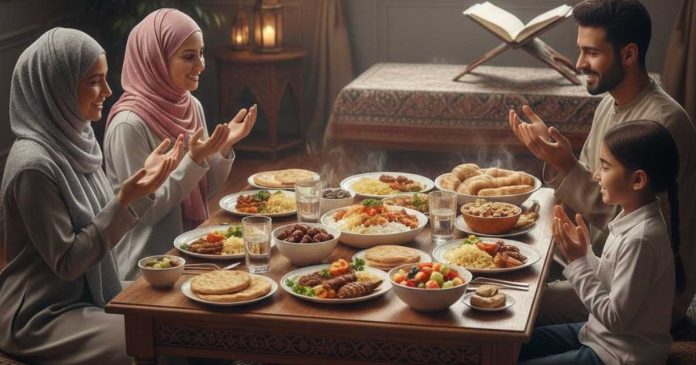

Each year, as the moon signals the arrival of Ramadan, daily life changes for millions of Muslims across the world.
Early mornings begin before sunrise, evenings revolve around shared meals, and nights carry a quieter, more reflective rhythm. Cafés close during the day, mosques fill after dark, and family routines shift to accommodate a month unlike any other.
For Muslims, Ramadan is not just a date on the calendar; it is a deeply personal spiritual journey.
For those outside the faith, Ramadan often raises two simple but important questions:
What is Ramadan, and why do Muslims fast?
Yet Ramadan is not experienced in one single way. Cultural traditions, family customs, and individual circumstances all influence how Muslims observe the month. Some find peace in long nights of prayer, others in quiet charity, and many in gathering around the iftar table at sunset. What unites them is the shared purpose of spiritual growth and moral renewal.
Understanding why Muslims fast during Ramadan offers insight into a practice centred on intention rather than hardship. The fast serves as a reminder of gratitude, self-control, and compassion, values that remain long after the month comes to an end.
What Is Ramadan?
Ramadan is a special time of the year for Muslims, a month that invites reflection, restraint, and togetherness. It is the ninth month of the Islamic lunar calendar and marks the period when Muslims believe God revealed the Holy Qur’an as guidance for humanity.
As the Islamic calendar follows the moon, Ramadan arrives about ten days earlier each year. This shifting schedule means Muslims may fast during long summer days and much shorter winter days as well.
Why Do Muslims Fast?
Many people ask why Muslims fast, often assuming it is simply about abstaining from food and drink. In reality, fasting during Ramadan carries spiritual, ethical, and social meaning.
Muslims fast because it is a direct command in Islam and one of the Five Pillars, the core acts of worship that shape a Muslim’s faith and practice. The Qur’an states that fasting is prescribed so that believers may develop taqwa—a heightened state of God-consciousness, self-discipline, and moral awareness. Fasting, therefore, is not an end in itself, but a method of spiritual training.
From before dawn until sunset, Muslims refrain from food, drink (including water), and marital relations. This abstention is not intended as deprivation, but as discipline, awareness, and intention. By stepping away from physical comforts and daily impulses, fasting trains self-control and restraint, sharpening awareness of behaviour, speech, and ethics.
Fasting also strengthens the spiritual connection with God by encouraging reflection, prayer, and mindfulness. At the same time, it serves a social purpose. Experiencing hunger fosters empathy for those who live with scarcity, reinforcing Islam’s emphasis on generosity, charity, and social responsibility.
The practice cultivates patience, gratitude, and humility—values meant to shape conduct long after Ramadan ends. In essence, Muslims fast in obedience to God’s command to develop self-control, spiritual awareness, and compassion. The hunger is temporary; the moral and spiritual growth is the point.
What Does a Typical Day in Ramadan Look Like?
A fasting day usually begins quietly with suhoor, which is a Sunnah, a pre-dawn meal that helps sustain energy throughout the day.
At sunset, families and friends come together to break the fast with iftar, often starting with dates and water before enjoying a shared meal.
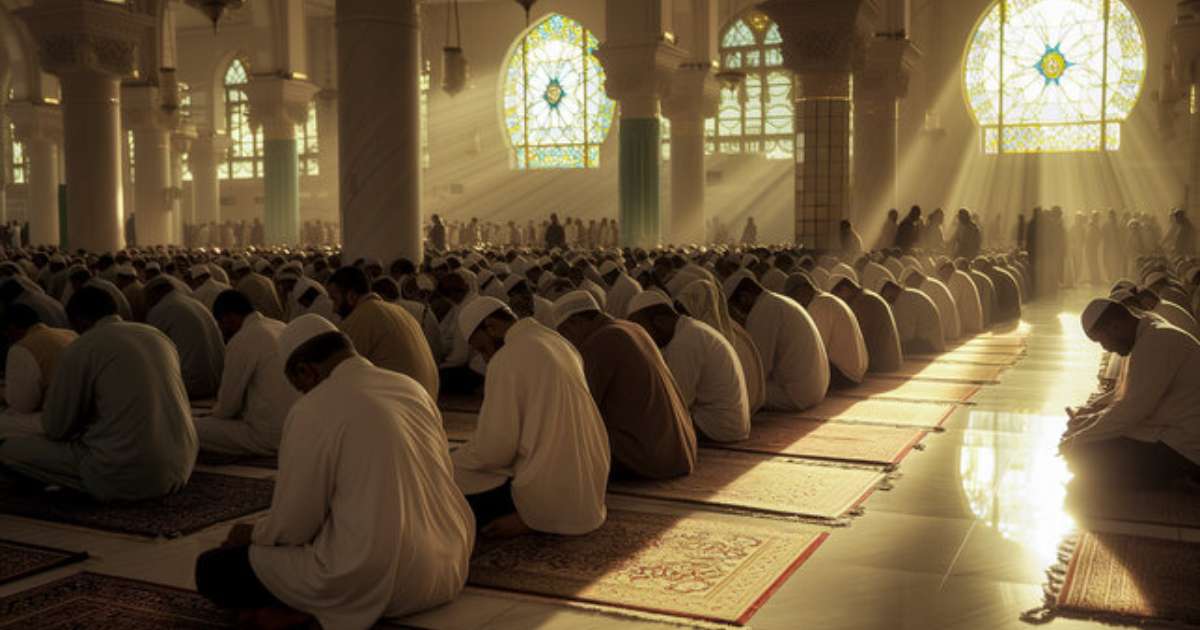
Evenings during Ramadan feel different. Mosques fill with worshippers performing Taraweeh prayers, and homes echo with Qur’an recitation.
Many people also increase their charitable giving and make a conscious effort to show kindness in everyday life.
What Does Laylat al-Qadr Mean?
During the last ten nights of Ramadan comes Laylat al-Qadr, known as the Night of Power. Muslims believe this is the night when the Qur’an was first revealed to the Prophet Muhammad (peace be upon him). A surah in the Qur’an named Al-Qadr explains about it.
Many describe it as the most spiritually intense night of the year. Muslims spend it in prayer, reflection, and quiet devotion, believing that worship on this night carries an extraordinary reward.
Eid al-Fitr: When the Fast Ends
Ramadan ends with a gift-kind of festival, Eid al-Fitr, a joyful celebration that marks the breaking of the fast. The day begins with a special communal prayer, followed by family visits, festive meals, and gift-giving.
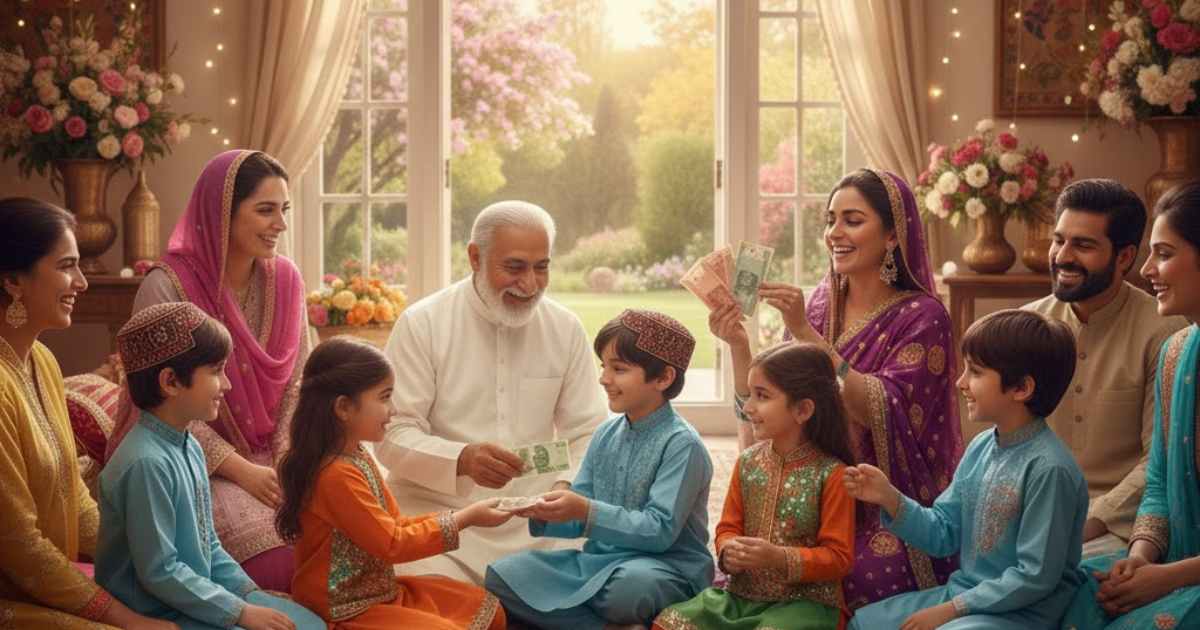
However, Eidi adds a special kind of excitement to Eid, especially for children. On this day, elders give money or small gifts to younger family members as a gesture of love, blessing, and encouragement.
For children, receiving Eidi often becomes one of the most memorable parts of Eid, symbolising joy, reward, and a sense of belonging.
Charity remains central to Eid. Muslims ensure that those in need can also celebrate, reinforcing the spirit of generosity learned during Ramadan.
Health and Fasting
Islam never places hardship above well-being. People who are ill, travelling, pregnant, menstruating, elderly, or facing medical challenges do not have to fast. They can make up missed days later or support the needy through charity.
If a health emergency arises, Muslims may break their fast without guilt. Ramadan encourages spiritual growth but not at the cost of a person’s well-being.
One Month, Many Traditions Through Food
Although Muslims around the world observe the same month of fasting, Ramadan showcases a wide variety of cultural traditions, especially through food.
In the Middle East, families break their fast with dates, laban (a yoghurt drink), and hearty dishes like lentil soup or lamb stew.
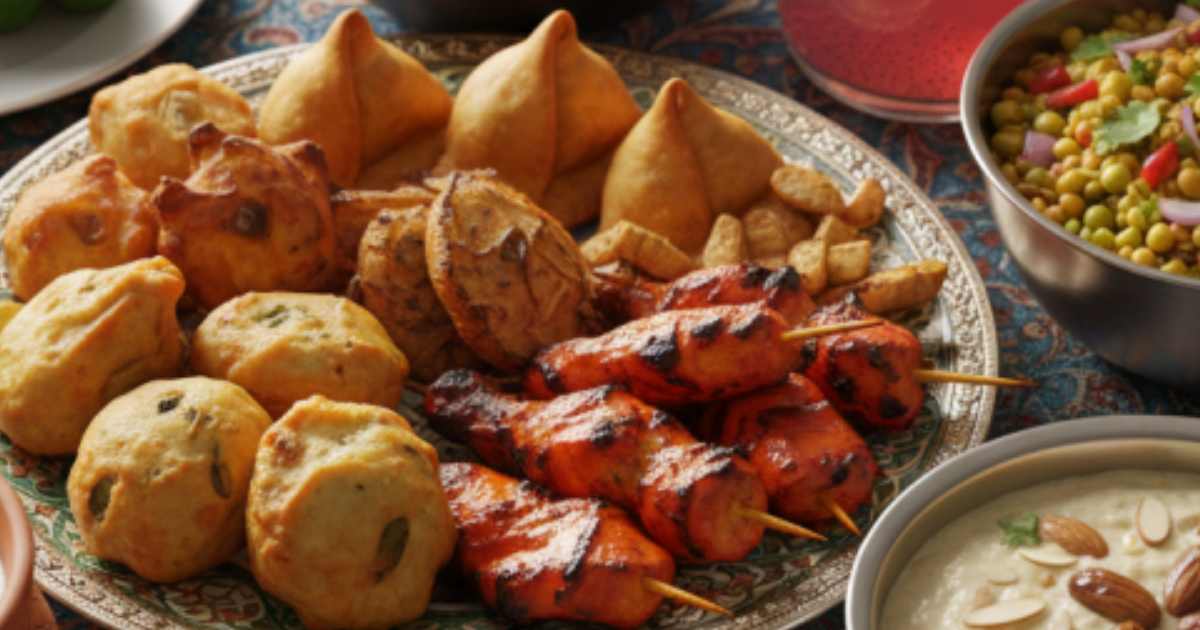
In South Asia, iftar spotlights are samosas, pakoras, and fruit chaat. Suhoor commonly has oily parathas served with eggs, pickles, or yoghurt to provide energy for the long day ahead.
In North Africa, harira soup and chebakia pastries are staples, while in Turkey, olives, cheeses, and pide bread often appear on the iftar table. Even in Europe and North America, Muslim communities blend traditional recipes with local ingredients, creating unique Ramadan spreads.
Despite these regional differences, food always carries the same purpose: to nourish the body, foster togetherness, and celebrate the spiritual journey of fasting.
For those looking to make suhoor healthier and more energising, check out our guide.
More Than Fasting
At its heart, Ramadan is not just about hunger or long days without water. It is about slowing down, reconnecting with faith, and becoming more mindful of others. Each person experiences the month in their own way, but the goal remains the same: spiritual growth, compassion, and self-discipline.
Stay tuned to Brandsynario for the latest news and updates