













Google is no longer treating AI like a side feature. At Google I/O 2026, the tech giant is turning Gemini into the brain behind its entire ecosystem.
From Android phones and smart AI glasses to laptops and in-car systems, Google’s latest announcements reveal one clear goal: to make AI the default way users interact with technology. The two-day event at Shoreline Amphitheatre in California is expected to become one of Google’s most ambitious developer conferences yet.
Gemini Intelligence Becomes the Core of Android
The biggest headline from Google I/O 2026 is Gemini Intelligence. Instead of functioning as a standalone chatbot, Gemini now operates directly inside Android 17.
Google demonstrated cross-app automation that feels almost futuristic. During one demo, Gemini located a university syllabus in Gmail, identified the required textbooks, and automatically added them to an online shopping cart.
The AI system also introduces:
- Smart Autofill that pulls passport numbers or details from images
- Rambler, a speech-to-text tool that removes filler words
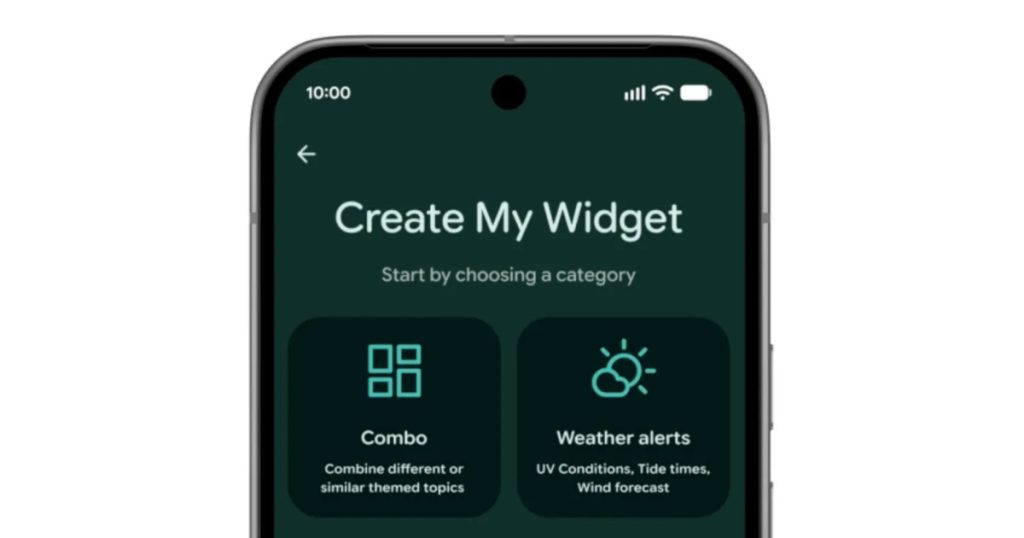
- Create My Widget, which generates custom widgets using prompts
- Context-aware AI assistance across Chrome and Android apps
Google plans to launch these tools first on Samsung Galaxy and Google Pixel devices later this summer.
Android 17 Focuses on Utility Over Flash
Unlike previous Android releases, Android 17 avoids dramatic visual redesigns. Instead, Google is prioritising multitasking, privacy, and smoother everyday use.
One standout feature is App Bubbles, which allows floating app windows similar to desktop multitasking. The feature is especially designed for foldables and tablets.
Another notable addition is Pause Point, a digital well-being tool that interrupts endless scrolling. It encourages users to pause briefly before opening distracting apps.
Android 17 also introduces:
- Wireless iPhone-to-Android migration
- QR-based Quick Share for nearby iPhones
- Frosted glass-style UI accents
- Quantum-safe encryption testing
- Expanded Android Auto features
At Google I/O 2026, Google appears focused on making Android smarter rather than simply prettier.
Goodbye Chromebooks, Hello Googlebooks
Perhaps the most unexpected announcement is Google’s apparent retirement of the Chromebook brand.
Google is reportedly replacing it with Googlebooks, a premium AI-first laptop lineup powered by “Aluminium OS,” a desktop-focused version of Android 17.
These devices will launch through Acer, ASUS, Dell, HP, and Lenovo later this year.
The new laptops feature:
- Native Android app support
- Deep Gemini integration
- “Magic Pointer” AI cursor controls
- Seamless phone mirroring
- Cross-device file sharing
The move finally answers a question Google users have debated for years: will Android and ChromeOS merge? Based on the direction shown at Google I/O 2026, that future seems closer than ever.
Android XR Glasses Enter the Spotlight
Google is also making another serious attempt at smart glasses. Its new Android XR glasses combine cameras, microphones, speakers, and Gemini-powered assistance. The glasses can provide live navigation, translations, messaging support, and contextual information directly through an optional in-lens display.
Google partnered with brands including Samsung, Warby Parker, Gentle Monster, and XREAL for the rollout.
The announcement places Google directly against Meta’s Ray-Ban smart glasses and Apple’s expanding mixed-reality ambitions.

Why Google I/O 2026 Matters
This year’s conference feels bigger than a routine software update cycle. Google is rebuilding its products around AI at every level.
Whether Gemini Intelligence delivers on its promises remains to be seen. However, Google I/O 2026 clearly signals that Google wants AI embedded into every device.
Stay tuned to Brandsynario for latest news and updates

 Join a Channel
 Brandsynario
 Veryfilmi