
















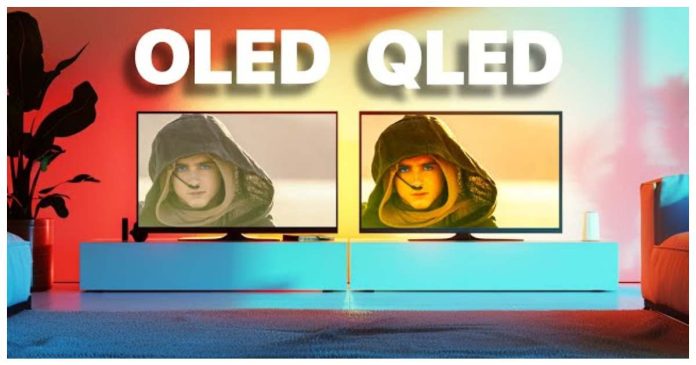

“Buying a TV in 2026 feels like choosing a smartphone: gorgeous screen vs. long-term reliability.”
QLED and OLED both look insane in-store, but the real question is which one still looks (and works) great after years of binge-watching. With rising electronics prices and long replacement cycles in Pakistan, durability matters just as much as visuals. So let’s break it down in simple terms.
What’s the Difference Between QLED and OLED TVs?
Before discussing the durability of QLED (Quantum Dot Light-Emitting Diode) and OLED (Organic Light-Emitting Diode), it is worth noting the core differences between the two diodes.
| QLED | OLED |
| Uses quantum dots to enhance brightness | Emits its own light and can turn off independently |
| Rely on backlighting | Doesn’t use a backlight |
| Better in rooms with lots of natural light | Better in dark rooms |
| Limited viewing angles | Shine with superior viewing angles |
Which LED Lasts Longer?
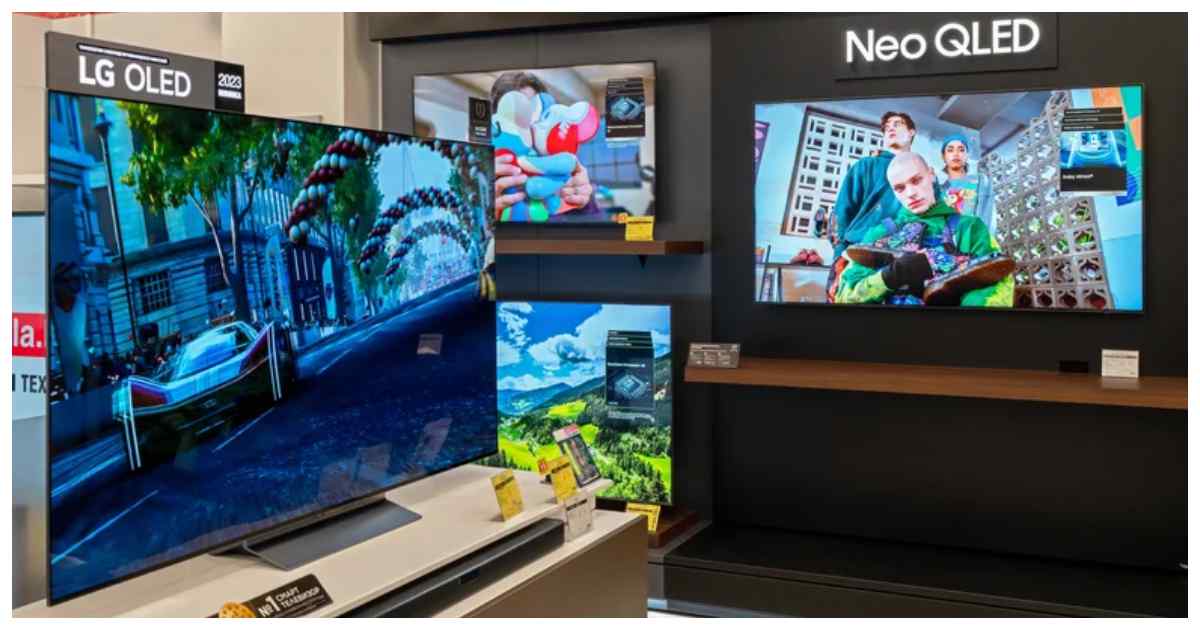
QLEDs deliver a longer lifespan than OLED models because of inorganic materials, which permit prolonged use. However, this shouldn’t be taken to mean that the latter is fragile or low quality.
Screen burn-in is a significant factor that impacts durability, and QLED panels are immune to this property. OLED panels rely on organic pixels that gradually wear out as they emit light. When the same image appears repeatedly in one spot, those pixels age faster than the rest of the screen.
However, QLEDs largely avoid this problem. As they use inorganic LED backlighting (in contrast to organic materials), they are far more resistant to long-term image retention. This property makes such panels better suited for heavy usage.
While no display technology is completely immune to ageing, QLED screens significantly reduce the risk of permanent burn-in damage. As a result, they tend to offer better long-term durability, particularly for users who push their TVs hard daily.
All modern displays experience wear over time, but OLED panels tend to age more quickly because of inherent technical limitations. As usage stretches into the thousands of hours, OLED pixels don’t deteriorate uniformly across the screen.
This uneven ageing is largely driven by the shorter lifespan of blue subpixels, which degrade faster than their red and green counterparts. As a result, two common effects can emerge as the panel grows older.
- The first is a drop in overall brightness, causing the image to appear dimmer than it did when new.
- The second is a gradual shift in colour reproduction, where accuracy declines, and hues no longer look as balanced as before.
When it comes to long-term durability, brightness, and everyday reliability, QLED holds a clear advantage. Its resistance to burn-in, stronger performance in bright rooms, and ability to handle static content make it better suited for heavy daily use.
Stay tuned to Brandsynario for latest news and updates