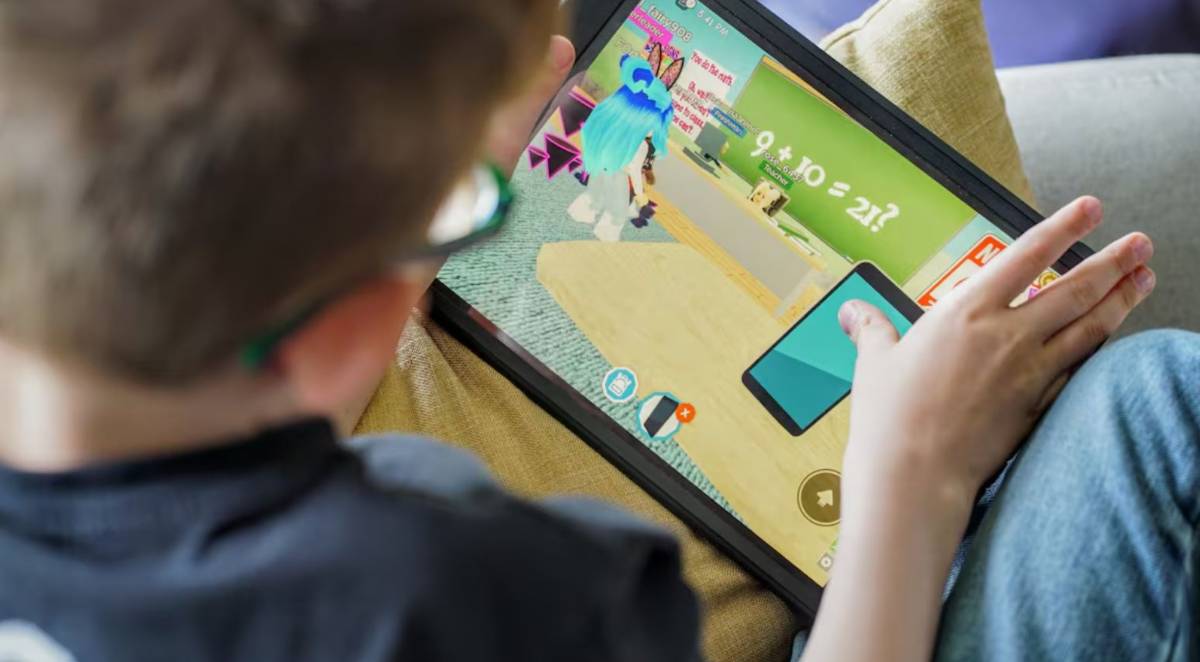
It’s a common practice to put your kid in front of the screen to get some me-time. But what most parents don’t understand is that even 10 minutes of screen time for a toddler can have an adverse effect on their mental health in the long run. And there is actual research to prove just that!
At The Risk Of Developing Anxiety
A Singapore-based research team has found that screen exposure in the early years, around age two, for instance, may be linked to noticeable changes in how a child’s brain develops. In a long-term (longitudinal) cohort study, the researchers observed that children with higher early screen time showed faster “maturation” in brain networks responsible for visual processing and cognitive control.
That might sound like a good thing, but the team suggests this could come at a cost. The quicker specialisation was associated with slower decision-making in childhood and, later on, higher anxiety symptoms in adolescence.
“Typically, these brain networks become more specialised gradually over time,” said Dr Huang Pei, the study’s lead author. “But in children with high screen exposure, the networks involved in vision and cognition seemed to specialise earlier, before the brain had built the efficient connections needed for more complex thinking.”
What Can Parents Do?
The answer may sound a little cliché, but it is still true: put down the smartphone, hide the iPad, and pick up a good old-fashioned book.
Research shows that children whose parents regularly read to them at around age three had a weaker link between screen time and altered brain development. In other words, the active engagement that comes with reading, talking about the story, asking questions, and encouraging curiosity can help offset some of the effects of early screen exposure.
This kind of interaction supports better emotional regulation and language development, and according to the latest study, may also help children’s brains grow at a more balanced and healthy pace across multiple cognitive areas.
It is not just about reading a book and taking a break from the screen, the study also focused on how important it is for children to have interactive time with their parents.
Are Screens The Enemy?
At the end of the day, screens are not the enemy, but unlimited, unstructured screen time in the early years can quietly shape a child’s developing brain in ways many parents do not realise until much later.
The takeaway from this research is not to panic or aim for “perfect parenting,” but to be more intentional with how toddlers spend their time.
Even small changes can make a big difference: swap a few minutes of screen time for a story, a conversation, a simple game, or any activity where your child is actively engaging with you.
So the next time you reach for the iPad to buy yourself some quiet, remember this: the best “brain-boosting” tool is still you. Your voice, your attention, and your presence can help your child grow into a calmer, more confident version of themselves, one page, one question, and one moment at a time.
Stay tuned to Brandsynario for the latest news and updates