


















If you’ve ever felt personally attacked by adulthood, then science has arrived with a comforting revelation. According to a groundbreaking study from the University of Cambridge, adolescence doesn’t actually end until age 32. Yes, 32!
That means millions of “adults” have been prematurely claiming the title.
The research, published in Nature Communications, analysed brain scans from nearly 4,000 people aged up to 90. The findings show that the brain undergoes five distinct phases in life, marked by major rewiring points at ages 9, 32, 66, and 83.
And most strikingly, the second phase, which is adolescence, stretches for more than two decades.
Five Phases of Brain Development
Scientists discovered that the brain does not develop in a smooth, gradual line from birth to death. Instead, it moves through five clear, measurable stages:
- Childhood (0–9)
- Adolescence (9–32)
- Adulthood (32–66)
- Early Ageing (66–83)
- Late Ageing (83+)
1. Childhood (Birth–9 years)
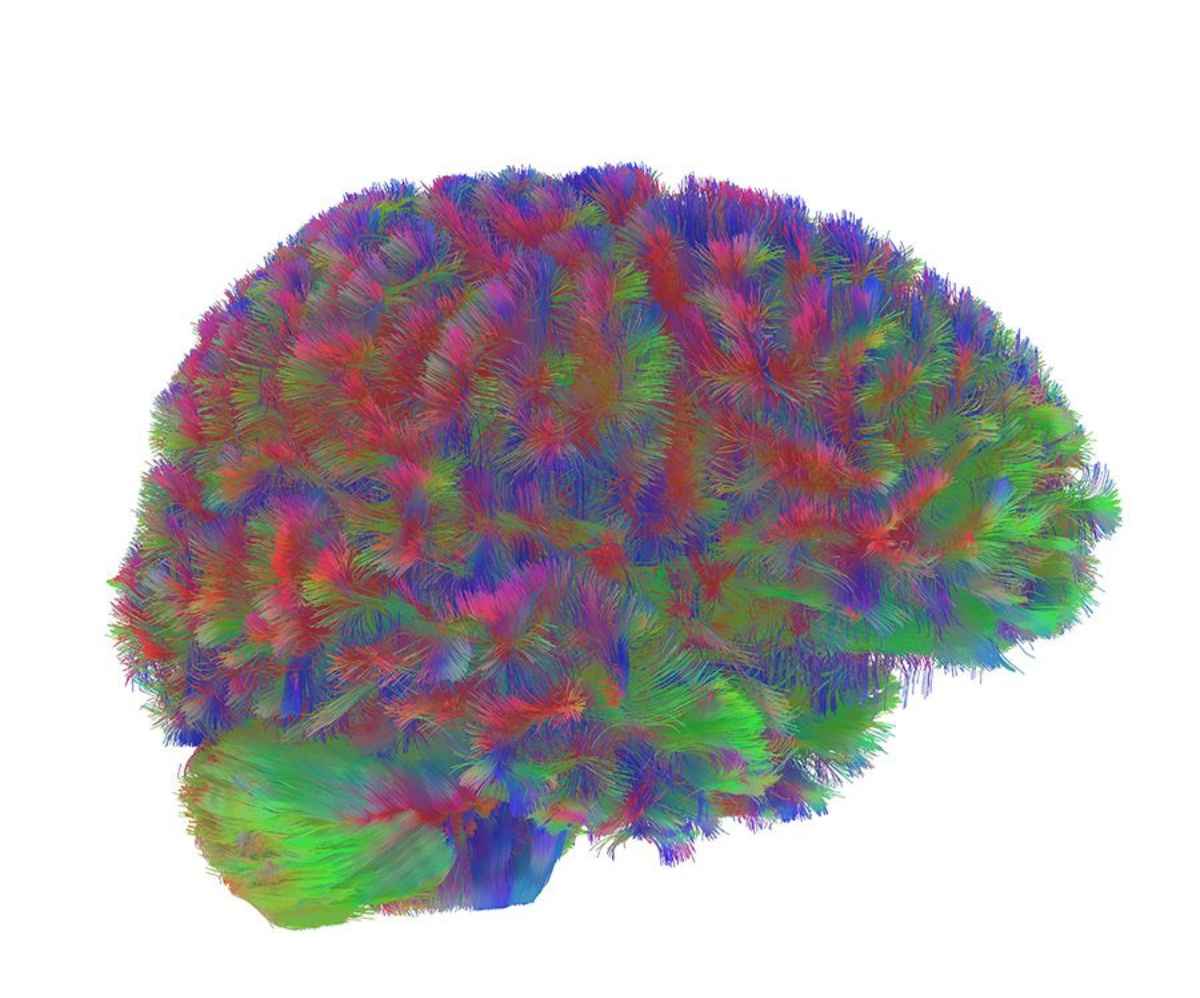
The earliest phase is characterised by intense structural growth and consolidation. Infants are born with an overabundance of synapses, which are gradually pruned as the brain strengthens the most useful connections.
Grey and white matter expand rapidly, cortical thickness peaks, and the characteristic folds of the cortex stabilise.
Across this entire period, all major brain regions follow a consistent rewiring pattern. After reaching the age of nine, the first turning point appears in cognitive capacity and increased susceptibility to developmental mental health challenges.
2. Adolescence (9–32 years)
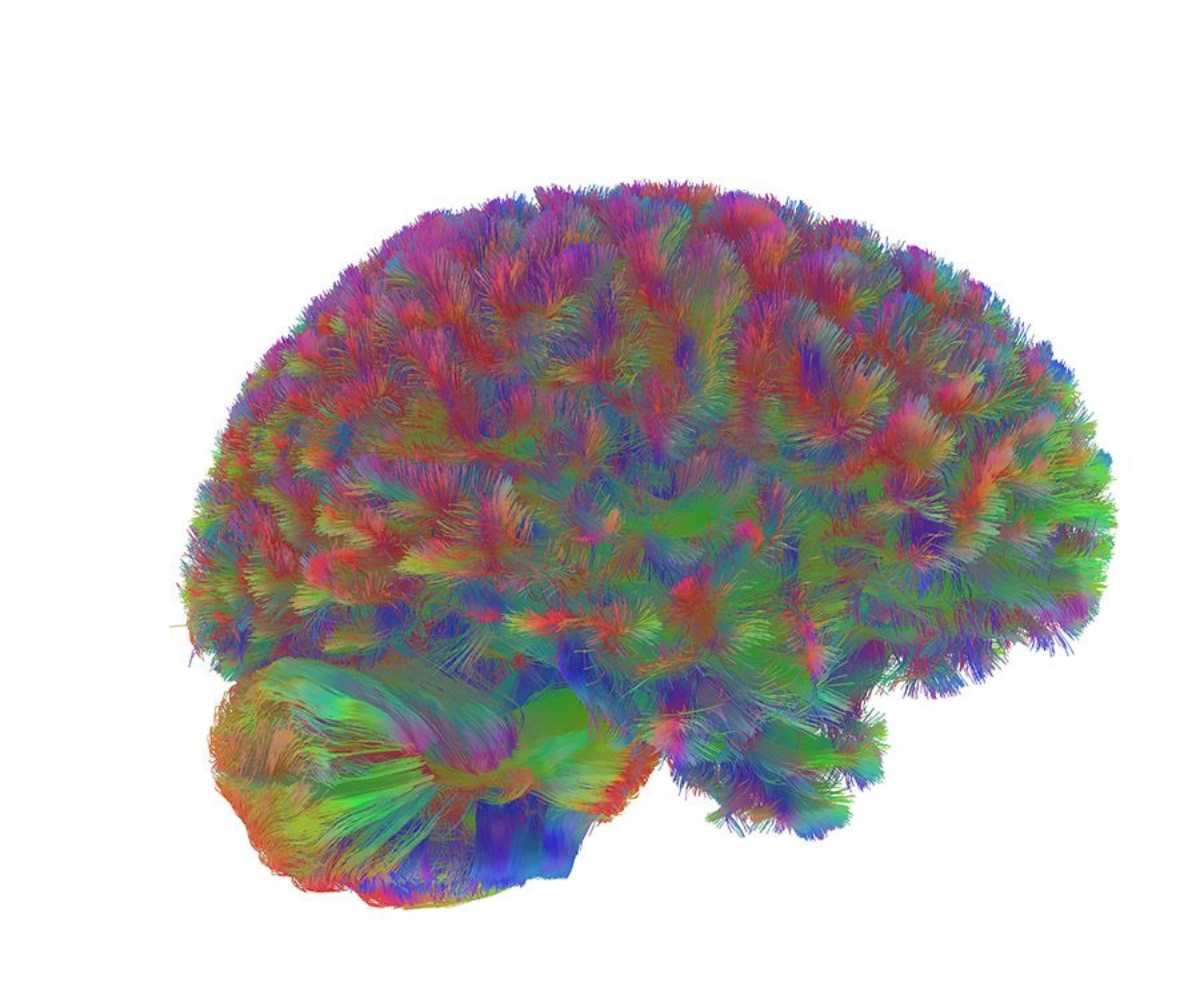
The Cambridge team found that the adolescent era, long assumed to end in the late teens or mid-twenties, extends until about age 32.
During this period, the white matter continues to develop, and the brain’s communication networks become increasingly efficient. This rising efficiency supports improved cognitive performance, faster information processing, and enhanced coordination between brain regions.
According to Dr Mousley:
“Around the age of 32, we see the most directional changes in wiring and the largest overall shift in trajectory in the entire lifespan.”
This transition in the early thirties marks the strongest turning point identified in the entire study.
While puberty clearly marks the start of adolescence, the findings indicate that the biological end of this stage has been significantly underestimated. The prolonged neural reorganisation observed through the 20s may help explain why these years often feel chaotic or uncertain for many people.
3. Adulthood (32–66 years)
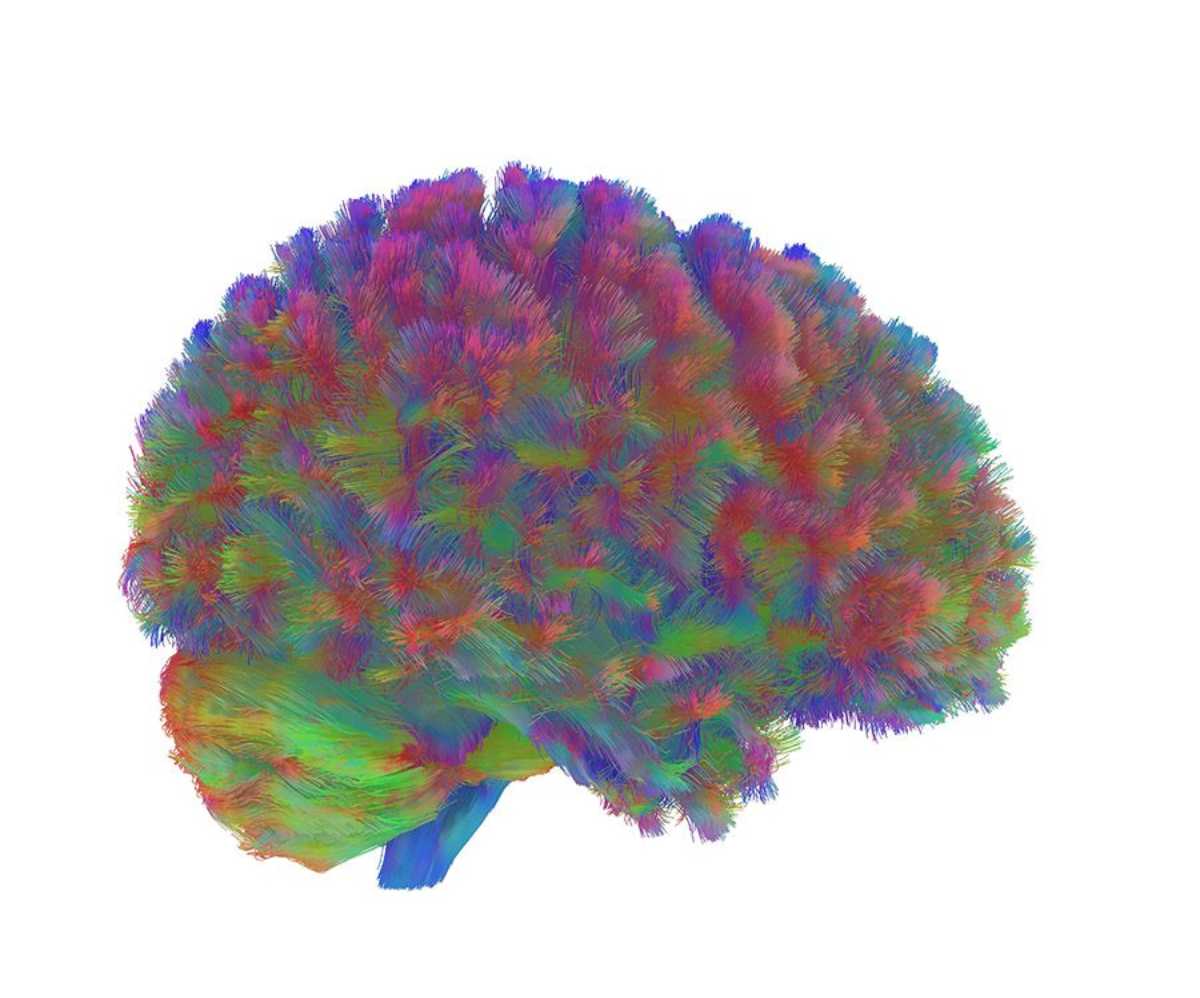
At age 32, the brain enters its longest and most stable structural era. Neural architecture becomes increasingly segregated, with specialised regions operating more independently. No major structural turning points occur for more than three decades, and the brain’s wiring follows a steady, predictable pattern.
This epoch aligns with what other studies describe as a plateau in intelligence, personality, and cognitive style. While neural efficiency gradually declines, it does so slowly and evenly.
4. Early Ageing (66–83 years)
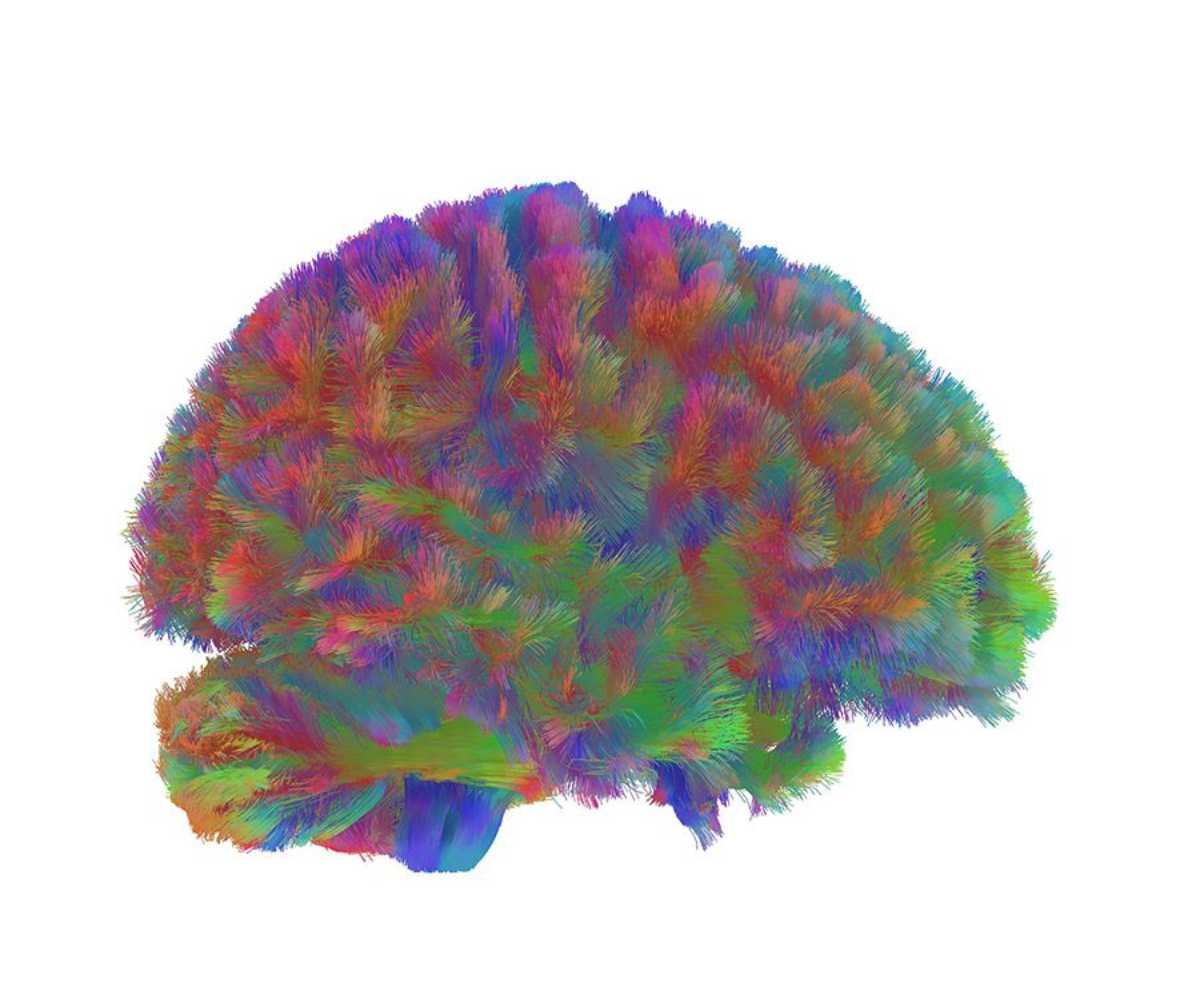
The turning point at 66 marks the beginning of early ageing, though the shift is gentler than the earlier transitions. The researchers observed that gradual reorganisation in brain networks reflects age-related changes such as white matter degeneration and weakening long-range connectivity.
This is also the period during which conditions like hypertension and neurodegenerative diseases become more prevalent, providing additional context for the brain’s structural shifts.
5. Late Ageing (83+ years)
The final epoch begins around age 83, though data for this group is more limited due to the challenge of obtaining healthy older brain scans.
Here, connectivity across the entire brain declines further, and neural processing becomes increasingly localised, relying more on specific regions than on whole-brain coordination.
Why This Study Matters
Understanding when and how the brain rewires itself may help explain why different mental health conditions appear at different ages, and why risks of dementia shift as we grow older.
Professor Duncan Astle, a co-author from Cambridge, notes: “Many neurodevelopmental, mental health and neurological conditions are linked to how the brain is wired. Differences in wiring can predict issues with memory, attention, language, and behaviour.”
Independent experts have praised the research. Prof. Tara Spires-Jones of the University of Edinburgh called it “a very cool study” that aligns well with what we know about brain ageing, while cautioning that not everyone will follow this timeline exactly.
So… Does This Explain the Chaos of Our 20s?
Short answer: Absolutely.
If adolescence truly spans from age 9 to 32, then it all makes sense now. All of the emotional turbulence, impulsive decisions, existential confusion and identity crises of one’s twenties aren’t failures. They’re normal neural development.
So, cut your brain some slack, for you are not adulting.
Stay tuned to Brandsynario for latest news and updates