
















The United Kingdom has introduced major changes to its asylum system. The government says these reforms will bring control and fairness. Rights groups argue the new rules will deepen uncertainty for people seeking safety.
For many Pakistanis who look to the UK for refuge, the impact may be especially difficult.
Pakistanis On Top of the Asylum Seekers’ List
Pakistanis are among the top nationalities seeking asylum in the UK. Because of the tighter visa rules, they may now struggle to enter the country even on a legitimate visit or study visa.
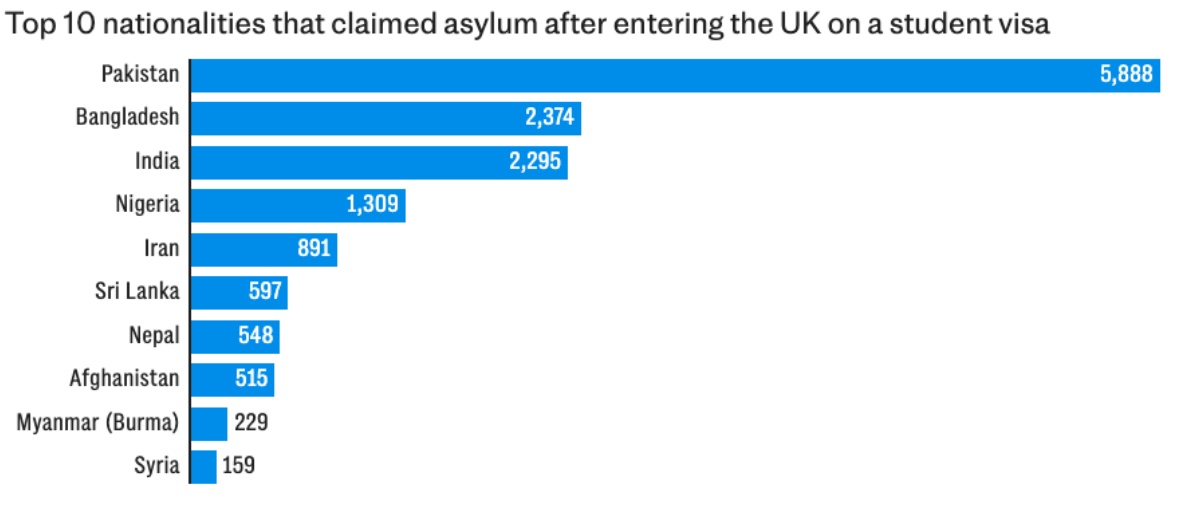
New data show nearly 10,000 Pakistanis entered the UK on temporary visas before switching to asylum last year. Pakistan now accounts for one in ten of all asylum claims, more than any other nationality. Its 11,000-plus claims represent a five-fold rise since 2022.
Pakistanis appear across every major category:
- 5,888 student visa switches (more than India and Bangladesh combined)
- 2,578 work visa switches (second after Bangladesh)
- 902 visitor visa switches (second after China)
Overall, Pakistani nationals make up almost 24 percent of all visa-to-asylum conversions.
A former ONS official says the system is being “gamed from the inside”, noting that the problem now extends far beyond small-boat arrivals.
Last year, over 40,000 people claimed asylum after arriving on legitimate visas. More than 16,000 entered as students, 11,400 on skilled worker visas and more than 9,400 as visitors.
UK’s New Asylum Policy: What Are The Changes Being Made?
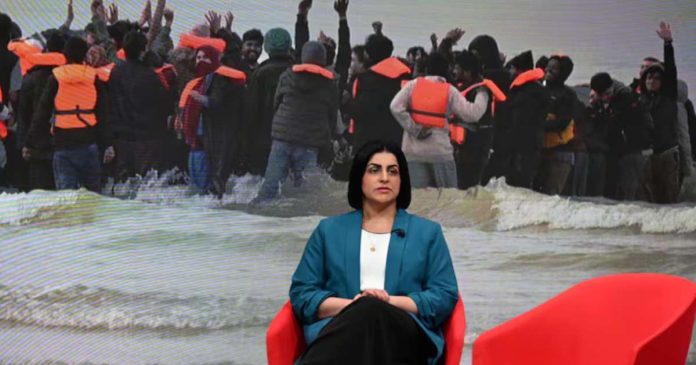
Home Secretary Shabana Mahmood says the asylum system “is not working” and is placing a strain on communities. She argues that undocumented migration is “tearing the country apart”.
Her reform package shifts the UK from a long-standing five-year path to settlement to a temporary protection model.
Refugee status will be reviewed every 30 months over 20 years, during which people may be returned if their home country is considered safe.
The government will also:
- Remove accommodation and financial support from asylum seekers who can work but choose not to
- Withdraw support from those who break the law or ignore removal orders
- Narrow how courts interpret “family life” under Article 8, limiting it to immediate relatives
Another major part of the policy targets visa holders to asylum seekers. Pakistani nationals have recently filed a growing number of asylum applications. As a result, they now face tougher visa scrutiny.
Many may be rejected even before reaching the UK if authorities believe they might later seek asylum.
The government has also announced a stronger removal policy for people whose claims are refused. They may be sent back sooner and with fewer legal options to appeal.
The approach draws inspiration from Denmark, where temporary protection and stricter review systems led to a sharp fall in asylum applications.
But is Asylum truly as big a problem as the UK’s Labour Party paints? Debatable.
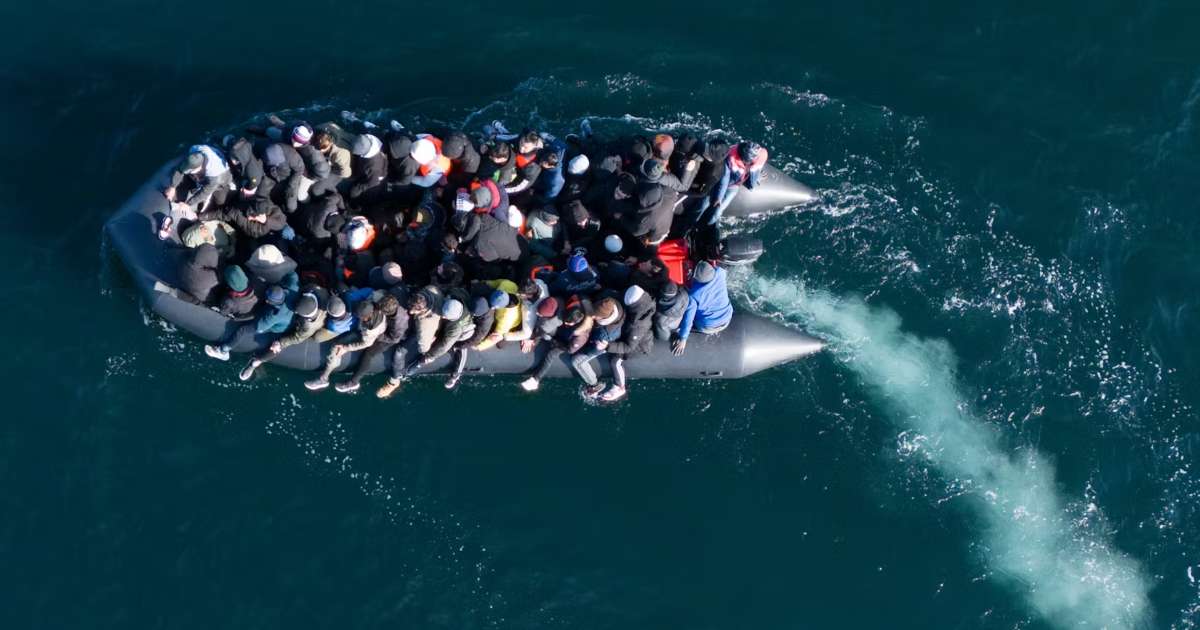
While Britain’s political debate focuses on small boats and Dunki routes, the Home Office notes that only a third of asylum seekers arrive this way. Net migration, which rose to a record 906,000 in the year to June 2023, has since fallen to 431,000 due to cuts in student and healthcare visas.
Yet asylum remains politically combustible.
Protests outside hotels housing asylum seekers, anti-immigration marches and pressure from Reform UK have hardened the tone of national politics.
Concerns Raised by Rights Groups
Refugee organisations warn the 20-year route will leave people in long-term uncertainty, discourage integration and increase vulnerability to exploitation.
They oppose the claim that refugees “asylum shop”, noting that many come because of language, family ties or existing communities.
Advocates also criticise plans to use artificial intelligence to assess the age of undocumented arrivals, warning of misclassification and safety risks for minors.
What remains clear is that Pakistanis now sit at the centre of Britain’s asylum debate, and most of it can also be due to the recent surges in scandals involving men of Pakistani heritage, which is also eroding public trust.
If the UK wishes to remain fair, then this might not be as damaging to the genuine asylum seekers; otherwise, it will only be turned into a racial tactic based on political bias. Also, isn’t this so funny, how the very people who colonised our lands for decades are now debating on what basis we can enter theirs?
Stay tuned to Brandsynario for latest news and updates