


















In 2007, Apple launched the first-ever iPhone, a device that revolutionised the smartphone industry. It had a modest 32-bit ARM microprocessor that was considered the best processor for mobile at that time.
Since then, smartphone processors have evolved dramatically.
Today we see processors or SoCs (system-on-chips) that boast the mobile’s performance so much so that they can rival some computers.
The better a mobile’s processor is, the better its performance. Spoiler alert, Apple’s processors still take the lead in many aspects, but there are many more across the board constantly improving.
13 Best Processors for Mobile
Whether you use an iPhone or Android, here’s a simple, up-to-date list of the 13 best processors for mobiles ranked from best to worst (1 = best) based on Geekbench single-core scores and real-world performance.
| Geekbench single-core score: Geekbench single-core measures how powerful a processor is when using just one of its cores. In simple terms, the higher the single-core score, the smoother and faster your phone will feel during daily use. |
1. Apple A18 Pro
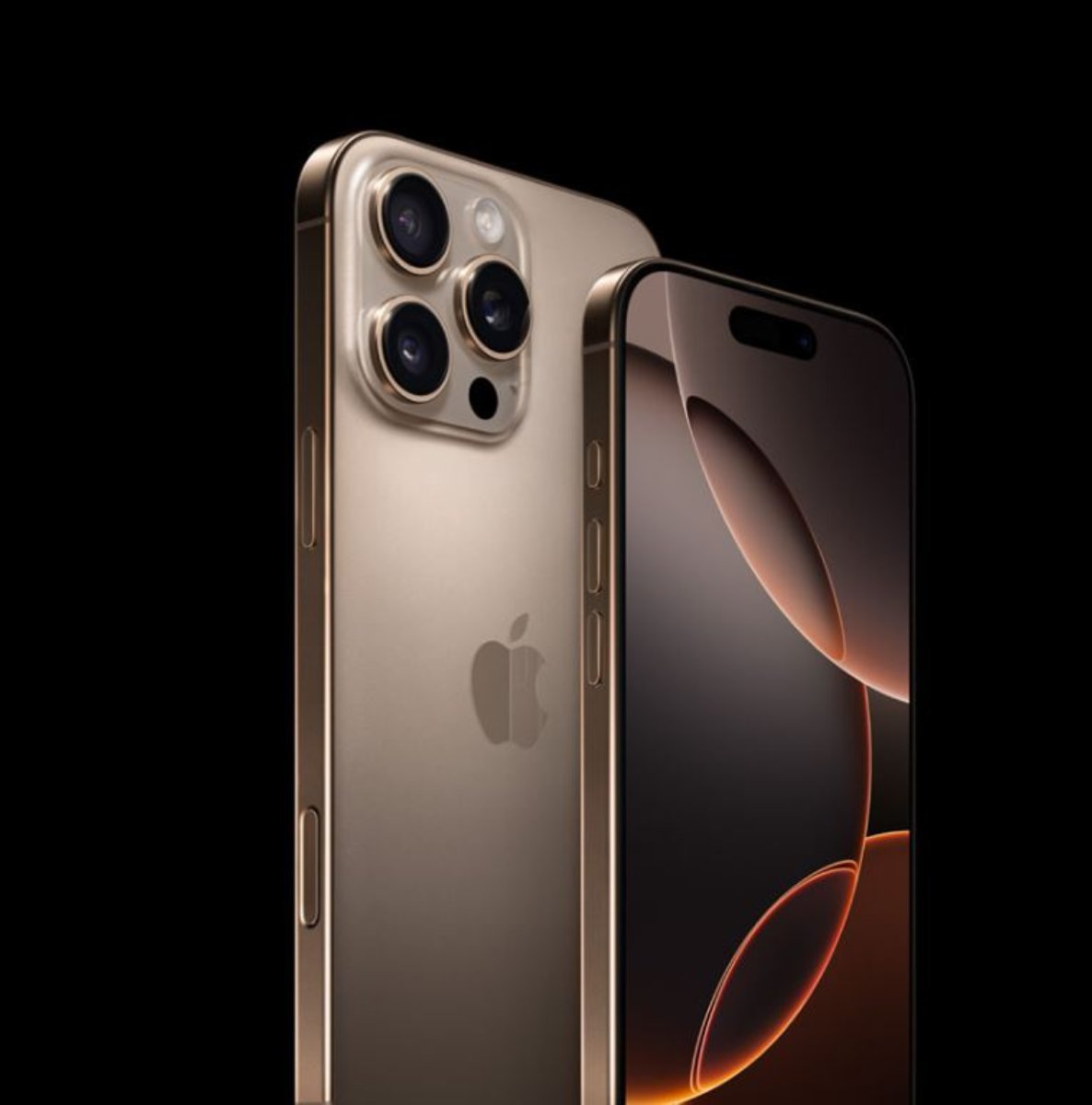
The Apple A18 Pro powers the iPhone 16 Pro lineup and sits comfortably at the top. It’s 15 % faster than last year’s A17 Pro and handles everything like AI tools, editing, and console-level gaming without breaking a sweat.
It scored around 3,539 single-core on Geekbench, leading every competitor. Simply put, it’s the fastest mobile chip in 2026. Let’s see if the upcoming iPhone 17 will take its throne or not.
2. Apple A18
Found in the iPhone 16 and 16 Plus, the A18 offers flagship-level power at a slightly lower cost. It brings smoother graphics, faster AI, and better battery life than the older A16 Bionic.
Its 3,317 single-core score keeps it close to the Pro version, making it ideal for users who want top performance without going all-in on Pro pricing.

3. Qualcomm Snapdragon 8 Elite (Gen 4)
Qualcomm’s most powerful Android chip yet, the Snapdragon 8 Elite, delivers serious speed with a 3,155 single-core and 9,723 multi-core score.
Gamers love it for its Adreno 830 GPU and ray-tracing support. You’ll find it inside top Android phones like the Galaxy S25 Ultra and Xiaomi 14 Ultra.

4. Xiaomi Xring O1
Xiaomi’s first in-house chip shocked everyone. Built on 3 nm tech, the Xring O1 balances power and efficiency perfectly.
It’s strong in graphics, great for gaming, and keeps temperatures low. With a 3,086 single-core score, it rivals Qualcomm and MediaTek’s best offerings.

5. MediaTek Dimensity 9400 Plus
The Dimensity 9400 Plus shows how far MediaTek has come. It combines big performance cores with a ray-tracing GPU and solid AI power.
With a 2,927 single-core and 9,000 multi-core, it’s a beast for gaming and multitasking, and you’ll often see it in flagship Vivo and Oppo phones.

6. Apple A17 Pro
Apple’s first 3 nm chip debuted with the iPhone 15 Pro. It still crushes most Android rivals.
It’s efficient, powerful, and perfect for photo editing or gaming. Geekbench scores hover around 2,890 single-core, proving it’s still a top-tier processor in 2026.
7. MediaTek Dimensity 9400
This chip focuses on gaming and raw speed. The Dimensity 9400 uses an “all big core” setup with strong GPU performance.
It scored 2,647 single-core and 8,052 multi-core, making it a great pick for Android gamers and heavy users who demand consistent power.
8. Apple A16 Bionic
Despite being from 2022, the A16 Bionic is still impressive. Found in the iPhone 14 Pro and 15, it remains smooth, efficient, and reliable.
Scoring 2,607 single-core, it handles everything from 4K video to gaming.

9. Samsung Exynos 2500
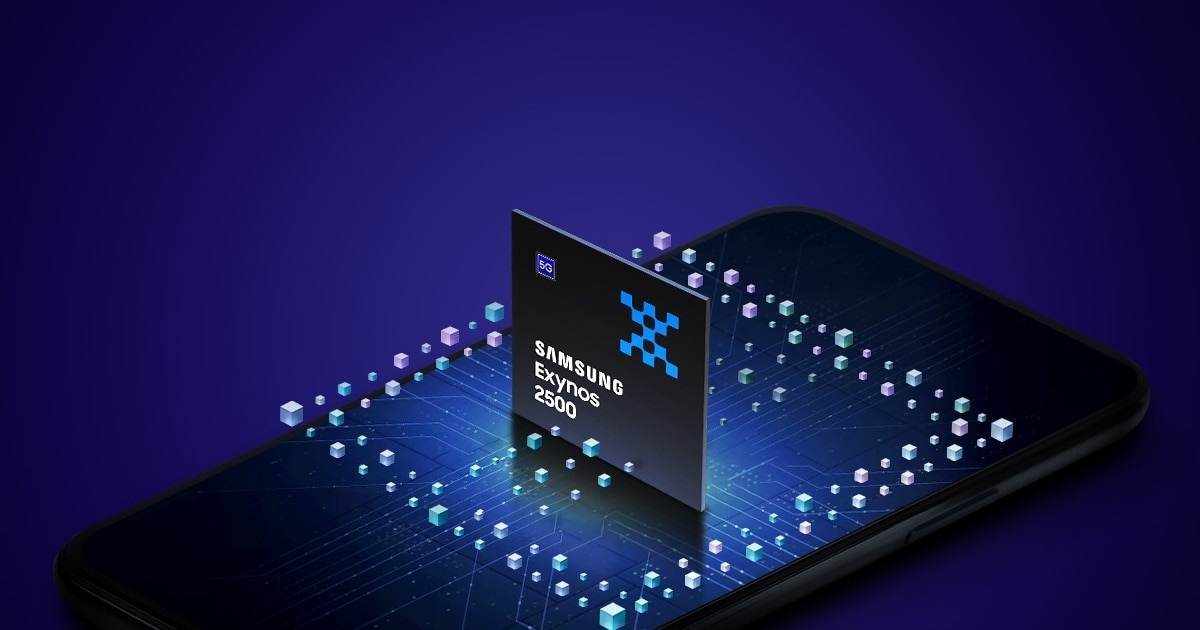
Samsung’s latest Exynos 2500 finally catches up with competitors. Built for Galaxy devices in Europe and Asia, it delivers solid performance and strong ray tracing.
With 2,522 single-core and 9,015 multi-core, it’s great for visuals and gaming, though it trails Qualcomm and Apple slightly.
10. MediaTek Dimensity 9300 Plus
This “all big core” powerhouse is designed for multitasking and smooth gaming.
The Dimensity 9300 Plus scores 2,302 single-core and 7,547 multi-core, offering strong performance but can run a bit hot during long gaming sessions.
11. Google Tensor G5
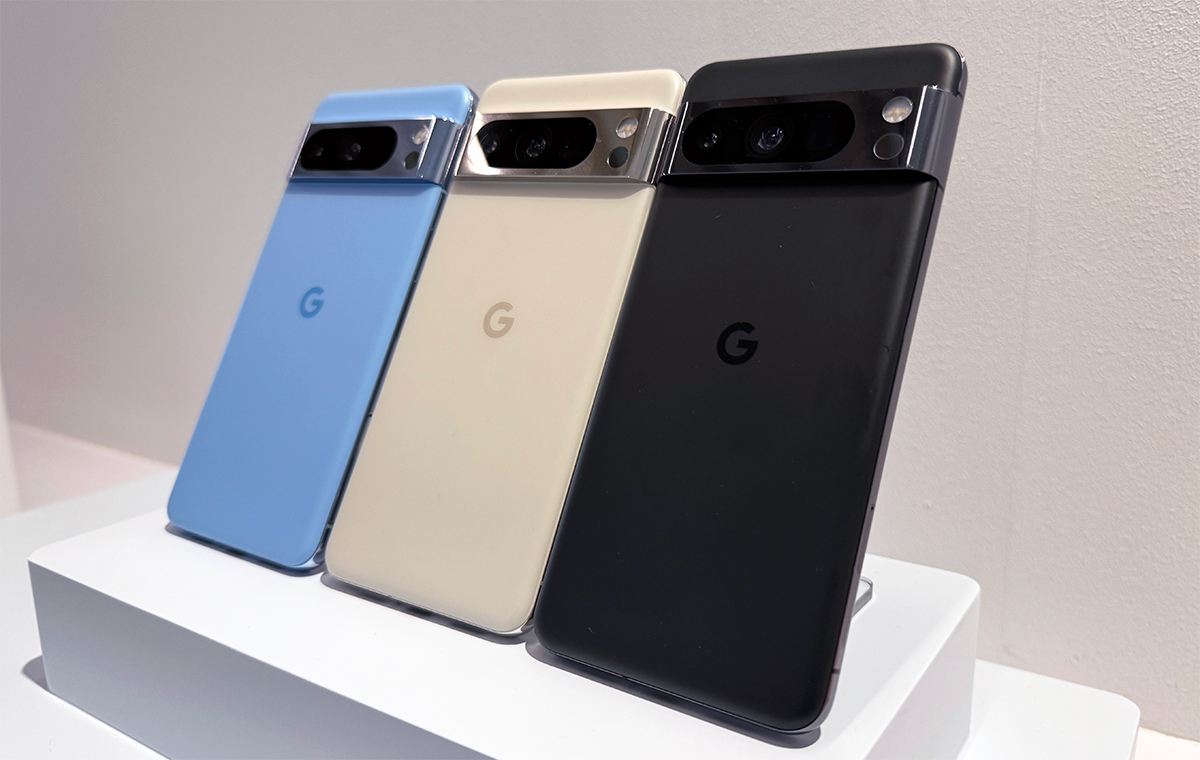
Google’s newest Tensor G5 powers the Pixel 10 lineup. It focuses on AI, not just speed.
You’ll get smarter photo processing, faster voice recognition, and solid day-to-day performance. It hits 2,301 single-core, proving capable though not class-leading.
12. MediaTek Dimensity 9300
MediaTek’s earlier flagship features four Cortex-X4 and four Cortex-A720 cores for serious power.
Scoring 2,239 single-core, it’s still a strong performer and excellent for gaming or camera-heavy phones, even if newer chips edge ahead.
13. Qualcomm Snapdragon 8 Gen 3
Don’t be fooled by its position; this chip still runs premium phones like the Galaxy S24 and OnePlus 12.
With 2,193 single-core and 7,304 multi-core, it’s fast, efficient, and ideal for gamers or anyone upgrading from older devices.
Standout Features, Ideal For & Shortcomings
| Processor | Highlights |
|---|---|
| Apple A18 Pro |
|
| Apple A18 |
|
| Snapdragon 8 Elite (Gen 4) |
|
| Xiaomi Xring O1 |
|
| Dimensity 9400 Plus |
|
| Apple A17 Pro |
|
| Dimensity 9400 |
|
| Apple A16 Bionic |
|
| Exynos 2500 |
|
| Dimensity 9300 Plus |
|
| Google Tensor G5 |
|
| Dimensity 9300 |
|
| Snapdragon 8 Gen 3 |
|
How We Ranked The Best Processors for Mobile?
We ranked the best processor for mobile, using their Geekbench single-core scores instead of real-world tests. While actual performance can vary with software and usage, single-core results give a good idea of pure CPU power.
Most daily tasks, like multitasking, opening apps, and using the interface, rely on single-core strength. This makes it a fair way to compare different chips.
Real-world use still matters, but top processors usually shine in gaming, editing, and AI tasks. We have listed what each chip does best and where it falls short so you can pick the one that suits you.
Stay tuned to Brandsynario for latest news and updates