















For years, Jeffrey Epstein existed in a peculiar limbo of notoriety and protection: widely whispered about, occasionally exposed, yet persistently insulated. His 2019 death in a Manhattan jail cell was meant to close a chapter.
Instead, it opened a far more unsettling one.
With the United States Department of Justice now releasing millions of pages of documents like emails, calendars, photographs, contact lists, and testimony, Epstein’s world has come back into public view in fragments that are at once banal, grotesque, and politically explosive.
The question is no longer who Jeffrey Epstein was. It is how he was allowed to become what he became and why accountability continues to feel so elusive.
Who Was Jeffrey Epstein?
Officially, Epstein was a financier. Unofficially, his business model was access.
Born in 1953 in Brooklyn, Epstein had no formal qualifications that explained his rise into elite financial circles.
Yet by the 1990s, he was hosting presidents, princes, Nobel laureates, billionaires, and celebrities at homes in Manhattan, Palm Beach, Paris, New Mexico, and most infamously, Little Saint James in the US Virgin Islands.
Epstein cultivated an image of a brilliant fixer: someone who could move money quietly, introduce powerful people to one another, and operate outside normal institutional scrutiny. He wrapped himself in philanthropy, science, and futurism, donating to universities and courting academics.
That persona allowed him to exist simultaneously inside elite society and outside its rules.
By 2008, he had pleaded guilty in Florida to soliciting prostitution from a minor, receiving a controversial plea deal that spared him federal prosecution. That deal allowed Epstein to resume much of his social life, even after being registered as a sex offender.
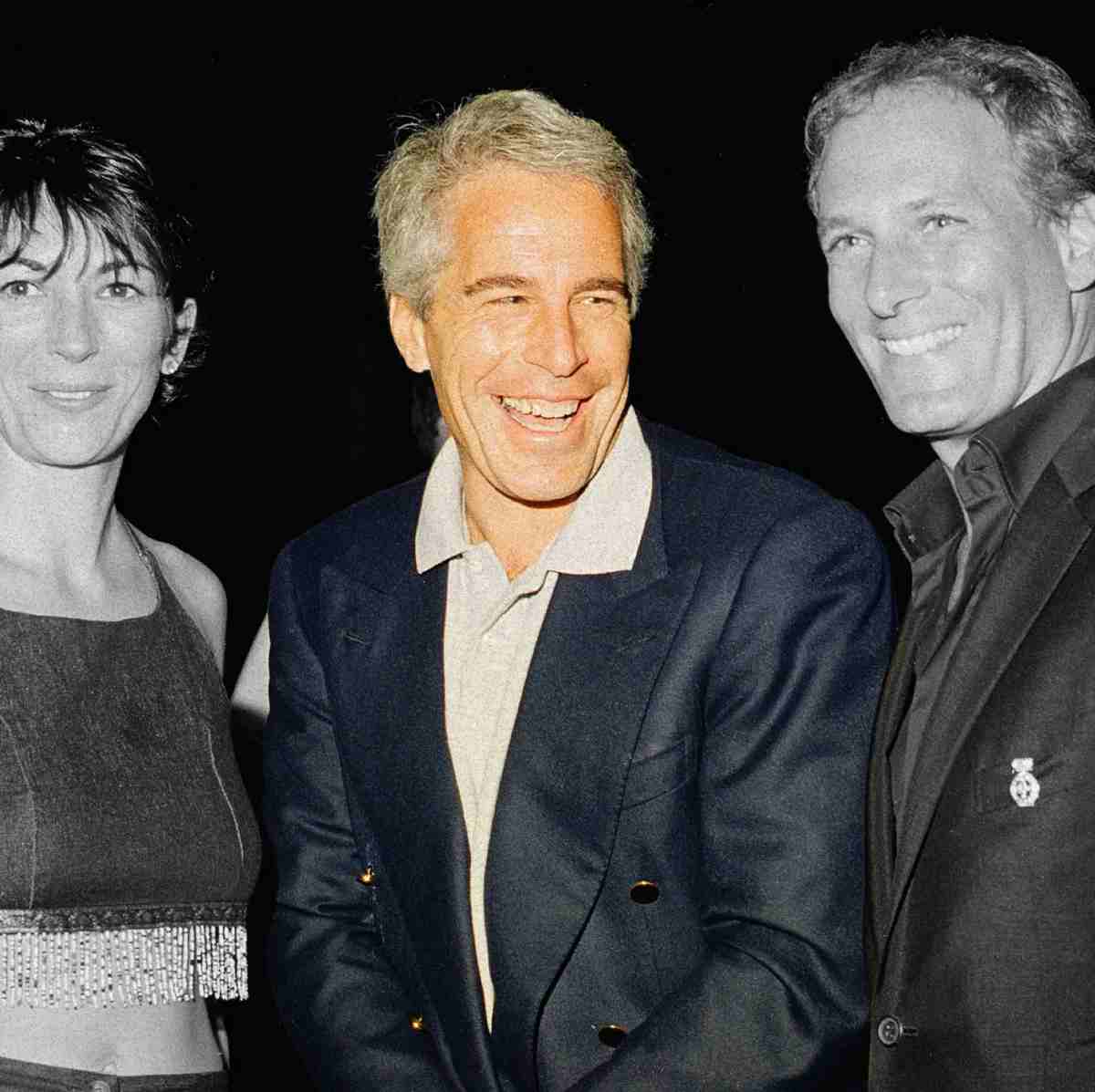
Jeffrey Epstein and the Architecture of Impunity
The newly released files make one thing unmistakably clear: Epstein was not merely an individual predator. He was a node.
His operation relied on logistics and on intermediaries, most notably Ghislaine Maxwell, who is now serving a 20-year prison sentence for recruiting and trafficking teenage girls.
The documents show Epstein acting as:
-
A social connector, arranging dinners, “salons,” and meetings.
-
A facilitator of travel, including private jets and helicopter transfers.
-
A gatekeeper to elite spaces, from island retreats to Manhattan townhouses.
-
A manipulator of narratives, obsessively strategising about press coverage, legal exposure, and reputation repair.
Emails reveal a man constantly managing perception: coaching associates on what to say, who to contact, and which journalists to pressure. His relationships with media owners and public intellectuals were not incidental. They were strategic.
Why Did He Get Away With It for So Long?
The Epstein files are devastating not because they prove universal guilt, but because they expose systemic cowardice.
Epstein survived because:
-
Institutions deferred to wealth.
-
Prosecutors prioritised convenience over confrontation.
-
Universities accepted donations without scrutiny.
-
Media outlets hesitated to challenge powerful owners or advertisers.
-
Influential people rationalised their proximity as harmless, professional, or irrelevant.
The documents show countless moments where the association should have ended — after the 2008 conviction, after civil suits, after survivor testimony. Yet many relationships continued. Invitations were still sent. Dinners were still held. Emails still joked about “girls,” “fun,” and “relaxation.”
This is not evidence of a single conspiracy. It is evidence of something more mundane and more dangerous: a culture that normalised proximity to harm as long as it came wrapped in prestige.
The Files: What Do They Actually Prove?
The release of millions of documents has created both illumination and confusion. Names appear often without context, sometimes in passing, sometimes in disturbing detail.
Crucially, appearing in the Epstein files does not imply criminal wrongdoing. Many individuals named have denied any involvement in abuse, and in numerous cases, there is no allegation of illegality at all.
What the files do prove is:
-
Epstein maintained extensive contact with political leaders, billionaires, academics, and media figures.
-
Many of those contacts continued after his 2008 conviction.
-
Epstein actively sought to rehabilitate his image and suppress damaging coverage.
-
Survivors were repeatedly sidelined and, in the latest release, retraumatised by failures to properly redact identifying information.
The DOJ’s admission that “technical or human error” led to the exposure of victims’ identities has deepened public anger. Survivors have described the release as one of the most egregious violations of victim privacy in US legal history. The files were meant to bring transparency; instead, they reopened wounds.
The Island: Little Saint James
Little Saint James, often referred to as “Epstein’s island,” has become shorthand for the entire scandal. In reality, it was both a physical location and a symbol.
The island represented:
-
Jurisdictional ambiguity.
-
Physical isolation.
-
Controlled access.
-
The illusion of consequence-free power.
The files confirm what survivors have long said: the island was one of several sites where abuse occurred, facilitated by routine travel and normalised by repetition. It was not an aberration; it was a node in a network.
One of the most unsettling aspects of the documents is Epstein’s casual language. Women are described as “presents.” Girls are discussed alongside logistics and schedules. Some names appear to be shortened, coded, or deliberately vague.
This linguistic flattening matters. It reveals how exploitation was bureaucratised, turned into something transactional, abstracted, and therefore easier for bystanders to ignore.
The sheer range of people named shows how Epstein blurred boundaries. He placed radically different worlds in the same rooms, creating mutual silence through shared embarrassment.
The Central Failure: Justice Without Consequence
Perhaps the most damning question raised by the files is also the simplest: why has so little followed?
Epstein is dead. Maxwell is imprisoned. But for an operation of this scale, the absence of further prosecutions is conspicuous.
The files suggest evidence worth examining further, yet the public sees delay, redaction errors, and procedural collapse. The result is a growing belief that transparency is being substituted for accountability, that releasing documents has become a stand-in for pursuing justice.
What This Case Is Really About
The Epstein scandal is not a story about salacious emails or famous names. It is about how power protects itself.
It is about:
-
Survivors forced to fight not just their abuser, but the system.
-
Institutions are more concerned with liability than truth.
-
A culture that treats proximity to wealth as absolution.
-
And a justice system that moved decisively only after it was too late.
The files do not close the case. They indict a mindset.
Until accountability extends beyond one dead financier and one imprisoned accomplice, the Epstein story will remain unfinished, not because we lack information, but because we lack the courage to act on it.
And that, more than any island or email, is the most disturbing revelation of all.
Stay tuned to Brandsynario for latest news and updates

 Join a Channel
 Brandsynario
 Veryfilmi