
















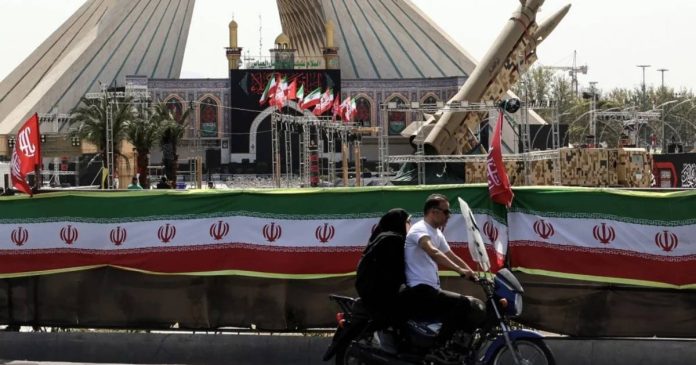

The United States has abruptly paused its two-week bombing campaign against Iran. Senior military leaders warned the White House that American forces were running low on critical munitions and high-value targets. As a result, Washington stopped airstrikes to avoid an unending conflict. Meanwhile, diplomats are rushing to secure a lasting de-escalation in the Middle East.
Key Takeaways
- The US halted strikes after running out of Iranian targets and facing shortages of Tomahawk and Patriot missiles.
- Tehran suspended retaliatory attacks on regional targets after Washington stopped its bombing campaign.
- Omani-brokered negotiations aim to reopen the Strait of Hormuz (20% of global oil supply), easing global energy prices.
- Netanyahu is lobbying Trump to keep bombing Iran’s nuclear site, while Washington prioritises market stability.
- US and UK officials are planning a joint mine-sweeping task force to protect commercial shipping lanes.
Military Leaders Push for a Tactical Pause
Top military commanders advised President Donald Trump to halt the strikes after two weeks of intense bombardment. Admiral Bradley Cooper, commander of US forces in the region, informed the White House that the operation had reached its limits. The US military had exhausted its list of strategic targets inside Iran. Continuing the campaign without launching a full-scale ground war offered little military value.
At the same time, military officials raised red flags over dwindling weapons stockpiles. Dan Caine, Chairman of the Joint Chiefs of Staff, warned that key ammunition reserves were running dangerously low.
- Tomahawk Cruise Missiles: Rapid deployment depleted offensive strike options.
- Patriot Missile Interceptors: Stockpiles shrank as US forces defended regional bases.
Vice President JD Vance also urged the administration to avoid prolonged foreign conflicts. President Trump ordered the military to hold back new air operations.
High-Stakes Diplomacy at the Strait of Hormuz
The pause in airstrikes triggered an immediate reaction in Tehran and global energy markets. Iranian officials confirmed they halted retaliatory strikes against US allies in response to the American lull. Furthermore, diplomats from Oman began mediating direct talks between US and Iranian negotiators.
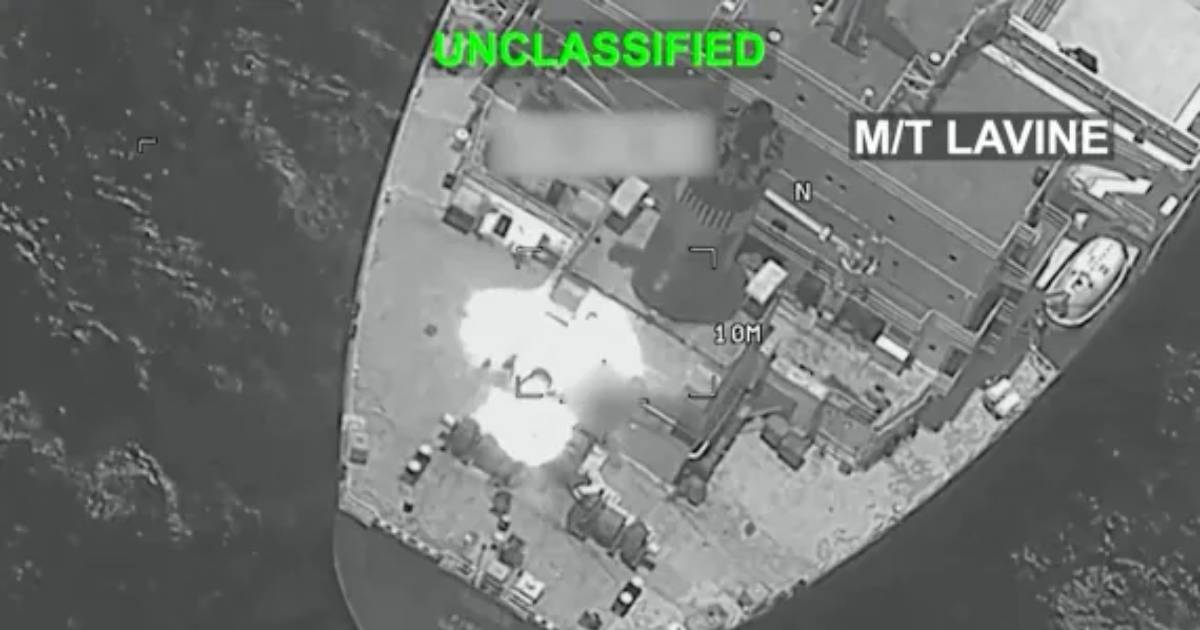
The primary goal of these discussions is reopening the Strait of Hormuz. Iran had closed this critical maritime bottleneck, which handles roughly 20% of the world’s oil supply.
- Market Reaction: Global oil prices dropped sharply as fear of an immediate supply shock eased.
- Iranian Demands: Tehran requested oversight and toll payments for commercial traffic passing through the strait.
- US Stance: UN Ambassador Mike Waltz emphasised that all military options remain on the table if negotiations fail.
Diverging Goals Between Washington and Israel
This sudden shift in US strategy has created clear tension with Israel. Israeli Prime Minister Benjamin Netanyahu is travelling to Washington to meet with President Trump. Netanyahu continues to press the White House to maintain heavy military pressure on Tehran.
However, the two allies currently have different strategic priorities:
-
The Israeli Objective: Netanyahu wants to permanently destroy Iran’s nuclear facilities and ballistic missile programs.
-
The American Objective: The White House wants to reopen international shipping lanes and stabilise global energy markets quickly.
Netanyahu also faces immense political pressure at home. With national elections approaching in October, he needs to show clear military victories against Iran and Hezbollah.
Coalition Building and European Hesitation
As diplomatic talks continue, Washington is trying to build an international coalition to protect commercial shipping. The US and the UK are coordinating high-level talks in London to discuss joint maritime operations. These plans focus on mine-sweeping efforts and escorting oil tankers safely through the Strait of Hormuz.
However, international support remains cautious. UK Prime Minister Andy Burnham refused to allow US forces to launch offensive strikes against Iran from British bases. Therefore, Washington must rely heavily on diplomatic leverage rather than direct military power to resolve the crisis.
Looking Ahead
The pause in US strikes opens a narrow window for diplomacy, but the region remains volatile. While military leaders successfully halted a costly war of attrition, lasting peace depends entirely on current negotiations. If diplomatic efforts fail to secure the Strait of Hormuz, the threat of direct military conflict could quickly return.
FAQS
1. Why did the US halt its air campaign against Iran?
Senior military advisors warned President Trump that American forces had nearly exhausted their list of high-value targets and were running low on key munitions, including Patriot interceptors and Tomahawk missiles.
2. Did Iran stop its attacks as well?
Yes. Iranian military officials confirmed they suspended retaliatory strikes against US regional allies in response to the pause in American bombing.
3. How did global markets react to the pause in strikes?
Global oil prices dropped sharply as fears of an immediate supply disruption through the Strait of Hormuz eased.
Stay tuned to Brandsynario for latest news and updates



 Join a Channel
 Brandsynario
 Veryfilmi