















Iranian authorities flogged singer Parastoo Ahmadi and four members of her concert team on 23 November, 2026, after she appeared without a headscarf in a video posted online in December 2024. The punishment occurred in Qom and has renewed attention to the country’s treatment of women who defy its mandatory hijab laws.
Key Takeaways
-
Ahmadi and four men received 74 lashes on 23 November, 2026.
-
A court sentenced nine defendants in June and an appeals court upheld the ruling in September.
-
Earlier cases involving Roya Heshmati and other Iranian women show that authorities continue to use corporal punishment against those who challenge restrictions.
Five Defendants Received 74 Lashes
The five people flogged were Ahmadi, concert organiser Mohsen Lashkari, and musicians Soheil Faghih-Nasiri, Amin Taheri and Amirali Pirnia. Lawyer Mostafa Nili confirmed their punishment. Officials carried out the flogging at the sentence enforcement office in Qom, where each person received 74 lashes.
The original case involved nine defendants. In June, the court sentenced all nine to 74 lashes, a two-year ban on artistic and musical activities, and a two-year restriction on foreign travel. An appeals court upheld the verdict in September. However, reports about the 23 November enforcement named only five people. They have not confirmed whether officials have punished the other four defendants.
The Performance That Triggered the Case
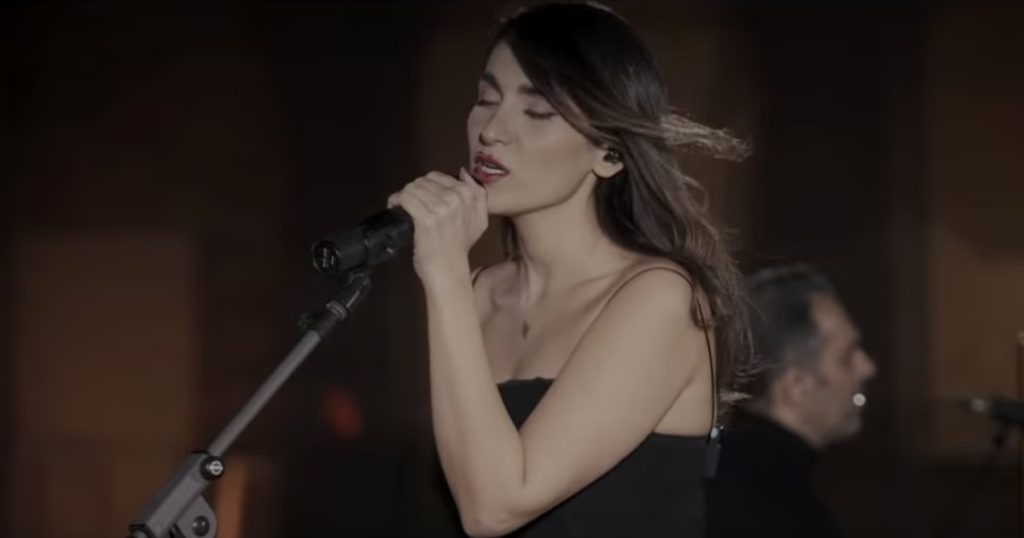
Ahmadi filmed the performance at Deir-e Gachin Caravanserai, a historic roadside inn near Qom. The video, which appeared online in December 2024, showed her singing with male musicians in front of an empty audience. She wore a long black sleeveless dress and left her hair uncovered.
Iranian authorities called the recording an illegal concert because it did not meet the country’s legal and religious standards. The court convicted the defendants of “offending public decency” through the production and distribution of content it considered immoral. The case also highlighted restrictions on women singing in public, particularly alongside male performers.
Iran Has Punished Other Women Under Similar Charges
Ahmadi is not the first Iranian woman to face flogging over her appearance or public conduct. In January 2024, authorities flogged Roya Heshmati 74 times in Tehran after she posted an unveiled photograph online. Officials accused her of violating public morals.
Other women have faced prison sentences and professional restrictions. A court sentenced singer Hiva Seyfizadeh to four years in prison after she performed traditional music in Tehran in February 2025. Authorities accused her of “encouraging corruption and prostitution.” She said she intended to appeal. In 2024, authorities also sentenced Rashnak Alishah to 14 lashes after she confronted a man who harassed her over hijab rules.

Mahsa Amini’s Death Triggered Nationwide Protests
The death of 22-year-old Mahsa Amini in September 2022, while in the custody of morality police, sparked widespread protests across Iran. She had been arrested by police for allegedly wearing the hijab the wrong way. Women went out on the streets, took off or burned their headscarves and defied the country’s religious leaders. Security forces responded with a deadly crackdown.
Since then, many Iranian women have continued to appear in public without covering their hair. However, authorities still enforce compulsory dress rules and prosecute those who defy them. Amnesty International has condemned flogging as cruel, inhuman, and degrading. The punishment of Parastoo Ahmadi shows the risks women and artists continue to face when they challenge these restrictions.
FAQs
1. When did the court sentence Parastoo Ahmadi?
A criminal court in Qom sentenced her in June 2026.
2. When did authorities carry out the flogging?
They carried it out on 23 November, 2026.
3. Who received lashes alongside Ahmadi?
Mohsen Lashkari, Soheil Faghih-Nasiri, Amin Taheri and Amirali Pirnia.
Stay tuned to Brandsynario for the latest news and updates

 Join a Channel
 Brandsynario
 Veryfilmi