

















Everyday noise from cars, buses, trains, and airplanes may do more than disrupt quiet. New research suggests that long-term exposure to transportation noise may increase cardiovascular risks, including high blood pressure, high cholesterol, and diabetes. Surprisingly, the association remained similar among people who maintained healthy sleep habits. This suggests that getting a good night’s sleep may not be enough to protect the heart from the potential effects of constant environmental noise.
Key Takeaways
-
Transportation noise above 50 decibels was linked to an 8%–10% increase in major cardiovascular risk factors.
-
Road traffic, railway, and aircraft noise were included in the study.
-
Healthy sleep did not appear to reduce the noise-related cardiovascular risk.
-
Researchers say reducing environmental noise exposure may support better heart health.
Transportation Noise Linked to Cardiovascular Risks
A study involving 108,051 adults found a link between higher transportation noise exposure and cardiovascular health risks. Researchers analyzed medical records, lifestyle surveys and transportation noise estimates from participants enrolled in the Mass General Brigham Biobank between 2010 and 2020. The study examined noise exposure from road traffic, trains and aircraft. Around 33% of participants experienced average transportation noise levels above 50 decibels.
Researchers found that exposure above this level was associated with an 8%–10% increase in the development of major cardiovascular risk factors, including high cholesterol, high blood pressure and diabetes. Higher noise exposure was also linked to greater odds of major adverse cardiovascular events.
Healthy Sleep May Not Protect the Heart From Noise
Sleep is essential for heart health. However, researchers found that healthy sleep patterns did not appear to reduce the cardiovascular risks linked to transportation noise. The association remained similar among participants with healthy and unhealthy sleep patterns. Researchers considered sleep disorders and sleep duration, including people who slept fewer than seven hours or more than nine hours per night.
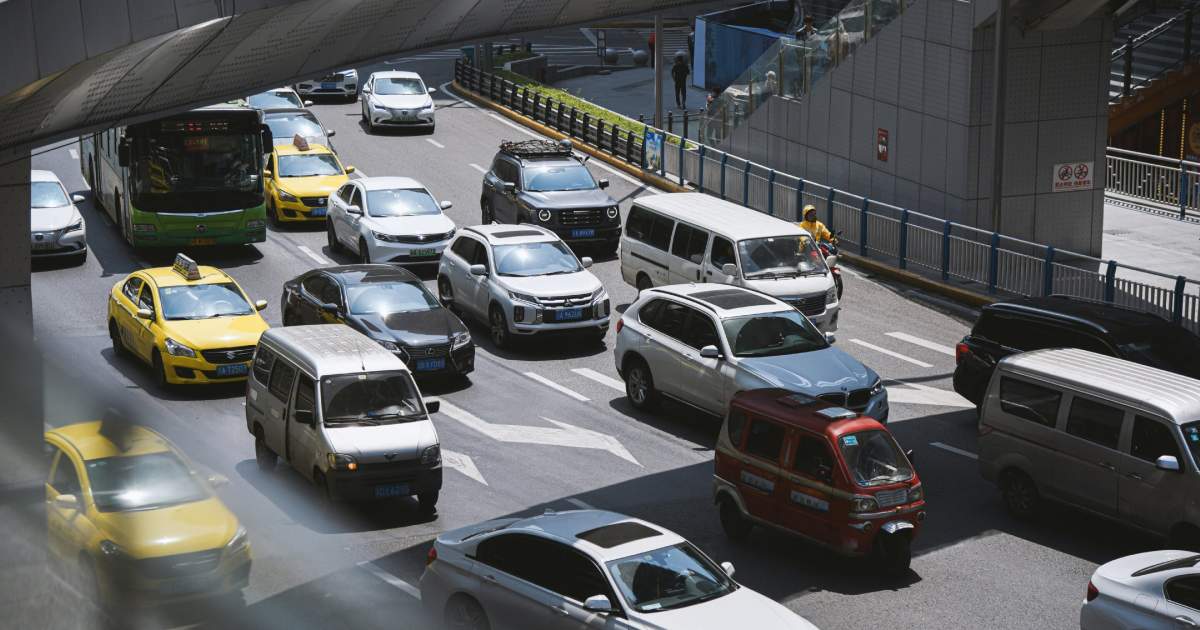
These findings suggest that environmental noise may affect cardiovascular health beyond its impact on sleep. Even people who sleep well may face risks associated with prolonged exposure to traffic noise.
How Does Noise Affect Heart Health?
Constant noise can activate the body’s stress response, even when a person does not consciously feel disturbed. Over time, repeated stress responses may affect cardiovascular function.
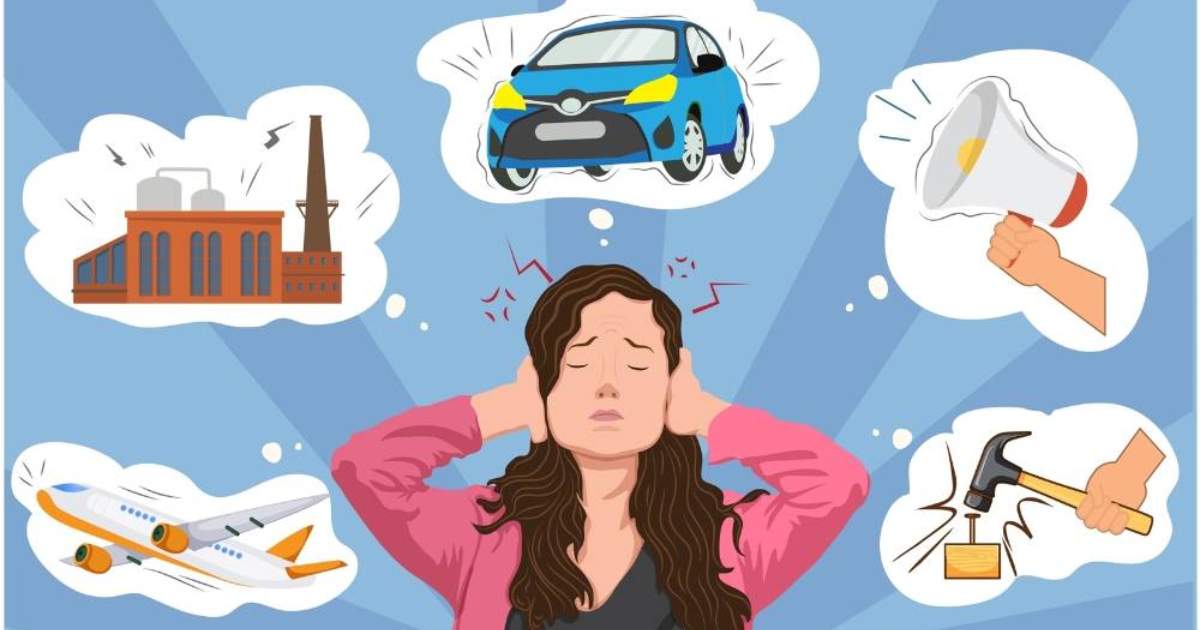
Long-term noise exposure may contribute to:
-
Higher blood pressure: Stress responses can increase blood pressure and put extra strain on the heart.
-
Blood vessel dysfunction: Noise exposure may affect how blood vessels relax and regulate blood flow.
-
Inflammation: Stress-related changes may activate inflammatory processes that contribute to cardiovascular problems.
These effects may help explain why researchers continue to investigate environmental noise as a possible risk factor for heart disease.
How Can People Reduce Noise Exposure?
Although people cannot always control the noise around their homes, a few changes may help reduce exposure:
-
Install thicker windows, doors, or sound-insulating materials.
-
Keep bedrooms in the quietest part of the house.
-
Use earplugs during sleep if they are comfortable and suitable.
-
Plant dense vegetation around the home where possible.
-
Support community efforts for quieter roads and better urban planning.
Reducing noise at home may be particularly helpful for people living near busy roads, railway lines, or airports.
What Are the Limitations of the Study?
The findings do not prove that transportation noise directly causes heart disease. Researchers analyzed existing health records and estimated noise exposure, so the study shows an association rather than a direct cause-and-effect relationship.
The research was also presented as a preliminary abstract at the American Heart Association’s Scientific Sessions 2026. It has not yet undergone full peer review. More research is needed to understand how different types of transportation noise affect cardiovascular health over time.
As cities become noisier, environmental noise may deserve more attention as a public health concern. Healthy sleep remains important, but reducing daily noise exposure could also play a role in protecting long-term heart health.
FAQS
1. Can traffic noise increase the risk of heart disease?
Yes. Long-term exposure to transportation noise has been linked to higher cardiovascular risks, including high blood pressure and other heart-related conditions.
2. Can traffic noise affect heart health even if I sleep well?
Yes. The study found similar associations between transportation noise and cardiovascular risks in people with healthy and unhealthy sleep patterns.
3. How loud is 50 decibels (dB)?
Around 50 dB is similar to moderate background noise. However, prolonged exposure may still have health effects.

 Join a Channel
 Brandsynario
 Veryfilmi