
















Key Takeaways
- At Computex 2026, NVIDIA CEO Jensen Huang unveiled the “RTX Spark” PC and laptop superchip, developed in a three-year collaboration with Microsoft.
- The chip is engineered to run complex “AI agents”on local device hardware. These digital helpers are capable of running your computer autonomously, making the traditional mouse and keyboard obsolete.
- The RTX Spark brings hyper-powerful, secure “private edge AI” directly into the home and office, unlike current AI tools that process data in remote data centres.
- The integrated processor places NVIDIA in a direct, high-stakes battle for the future of personal computing hardware against traditional giants.
Reimagining the PC First Time in 40 Years
For decades, the only way humans interact with computers has remained the same: we type on a keyboard and click with a mouse. At the Computex conference in Taipei, NVIDIA chief executive Jensen Huang announced that this era is now close to an end.
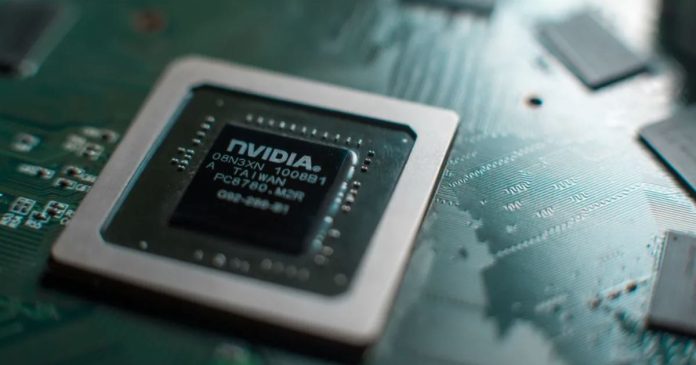
NVIDIA has officially entered the consumer integrated PC market with the launch of the RTX Spark, a consumer “superchip” designed to fundamentally reinvent the personal computer for the AI era.
The breakthrough isn’t just about speed; it’s about shifting from an “app-centric” computer to an “agentic” AI personal computer. Backed by a combination of a microprocessor and a high-performance graphics chip, the RTX Spark allows computers to run advanced AI agents. Instead of you opening software, clicking menus, and copying files, these agents are designed to navigate your PC’s environment autonomously.
The Anatomy of the Superchip
The RTX Spark represents a massive engineering shift. Instead of NVIDIA just supplying a graphics card (GPU) to plug into an Intel or AMD system, the company has collaborated with Taiwan’s MediaTek to create an integrated system that powers the entire computer.
By keeping the heavy lifting of machine learning algorithms on the local machine, users gain three massive benefits:
-
Zero Latency: No waiting for data to travel to a cloud server and back.
-
Absolute Privacy: Your personal documents, code, or sensitive data never leave the physical hard drive of your desktop or laptop.
-
Form Factor Efficiency: Despite its immense computational power, NVIDIA notes the chip’s design allows computers to remain thin, light, and thermally efficient.
Industry analysts are already drawing massive parallels to this moment. Neil Shah, co-founder of Counterpoint Research, noted that the invention of RTX Spark mirrors important moments in tech history, comparing it to the advent of the iPhone, ChatGPT, and DeepSeek. Shah anticipates that these private edge AI agents will soon become a staple in every home.
Will AI Desktops Change the Tech Job Market?
With the promise of autonomous AI agents taking over everyday tasks, anxieties regarding job loss have resurfaced. However, Jensen Huang dismissed the narrative that advanced desktop AI will shrink the tech job market, calling the idea “complete nonsense.”
“People talk about AI reducing jobs, complete nonsense. It’s causing more software engineers to be hired. This is the promise of AI… it increases hiring by making workers radically more productive.”
Ultimately, the launch of the RTX Spark means the AI desktop of the near future won’t just be a passive terminal running programs. It will function as a hyper-intelligent digital co-worker, completely shifting how we work, code, and interact with the digital world.
FAQs
1. What is the NVIDIA RTX Spark chip?
The RTX Spark is a new “superchip” developed by NVIDIA, MediaTek, and Microsoft. It integrates a microprocessor and graphics processing unit directly on one chip.
2. What are AI agents on a PC?
AI agents are software entities capable of navigating a computer’s operating system and applications autonomously. Powered by local hardware like the RTX Spark, they can execute multi-step workflows based on natural language instructions.
3. Why is local (Edge) AI better than Cloud AI?
Running AI locally on your desktop means your data does not need to be uploaded to an external server. This dramatically increases data privacy, removes internet latency, and allows your AI tools to work completely offline.
Stay tuned to Brandsynario for Latest Tech News and updates