
















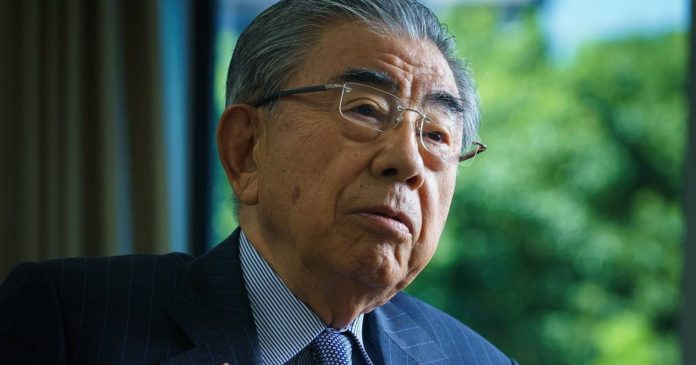

Toshifumi Suzuki, the visionary Japanese businessman who transformed a local American convenience store into a sprawling, multi-billion-dollar global empire, has passed away. Seven & i Holdings confirmed on Monday that its former chairman, CEO, and honorary adviser died of heart failure on May 18, 2026, at the age of 93.
To the business world, Suzuki was a retail genius. To ordinary citizens across Japan and the world, he was the man who fundamentally reshaped daily life. Under his guidance, the Japanese konbini (convenience store) evolved from a simple grocery storefront into a high-tech hub of modern neighbourhood infrastructure.
Defying the Sceptics
Born in Nagano Prefecture in 1932, Suzuki graduated from Chuo University before finding his way to the supermarket retailer Ito-Yokado in 1963. The pivotal moment of his career came a decade later. In 1973, Suzuki crossed paths with the Texas-based Southland Corp., the original operator of 7-Eleven in the United States.
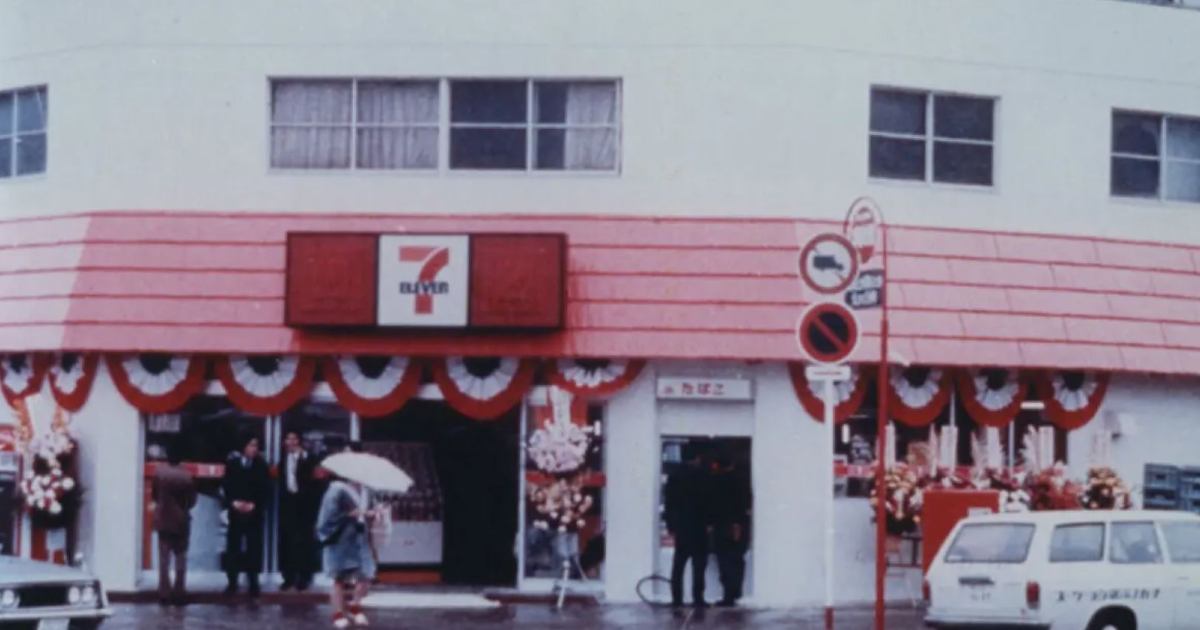
Recognising a massive gap in the Japanese retail market for smaller, nimbler neighbourhood shops, Suzuki fiercely negotiated a licensing agreement to bring the brand across the Pacific. At the time, industry experts and internal sceptics ridiculed the idea, claiming a small-scale American convenience model could never survive in a retail market dominated by specialised local mom-and-pop shops and massive supermarkets.
Suzuki proved them all wrong. In May 1974, he successfully launched Japan’s very first 7-Eleven outlet in the Toyosu area of Tokyo. It was an instant hit.
Rewriting the Rules of Retail
Suzuki did not just copy the American model; he dramatically improved it. He realised that a small footprint required absolute efficiency, pioneering data analytics and sophisticated supply-chain management decades before they became corporate standard practice.
Under his leadership as president of Seven-Eleven Japan starting in 1978, the stores introduced advanced point-of-sale (POS) systems to track inventory in real-time. This allowed outlets to restock multiple times a day based on local weather, school hours, and shifting consumer tastes. He also shifted the inventory toward high-quality, fresh, ready-to-eat meals, such as onigiri (rice balls) and bento boxes, elevating convenience store food to a respected daily staple.
By the late 1980s, the Japanese subsidiary had become so wildly successful and financially dominant that when its American parent company, Southland Corp., fell into bankruptcy in 1990, Suzuki’s Seven-Eleven Japan stepped in to acquire a majority stake, effectively saving the global brand.
A Lasting Legacy
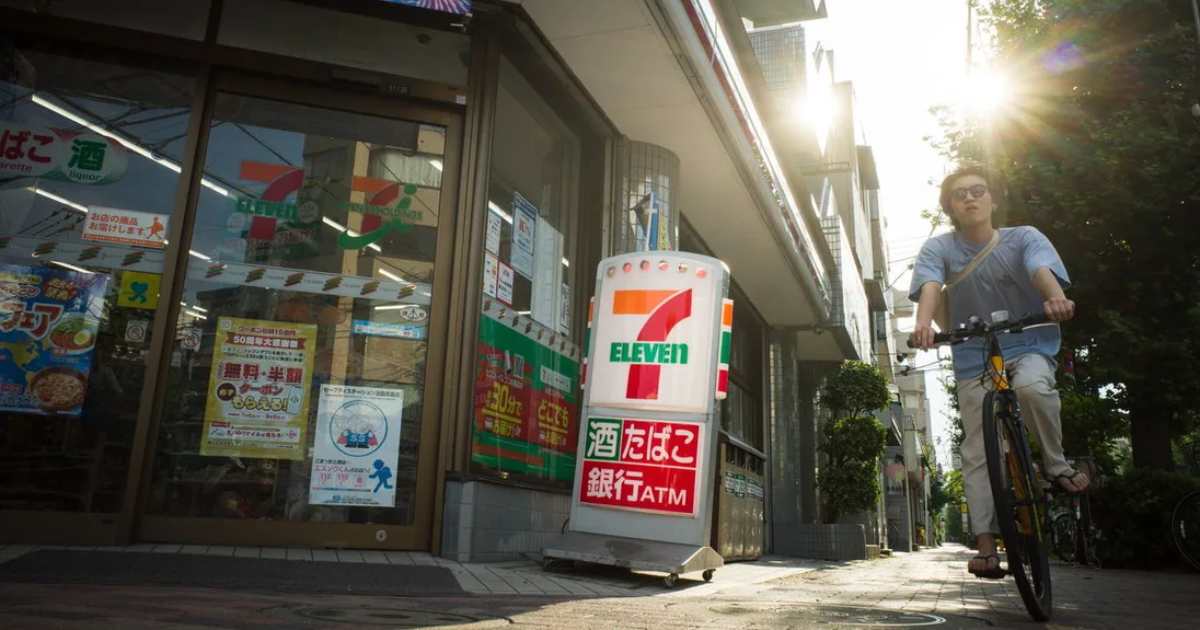
In 2005, Suzuki consolidated the empire under Seven & i Holdings, serving as its chairman and CEO until his retirement in 2016. Today, 7-Eleven operates over 84,000 stores worldwide, standing as the largest convenience store chain on Earth.
Beyond retail, Suzuki’s insistence on turning 7-Eleven into a community lifeline, integrating ATM banking, utility bill payment services, and parcel pickups, redefined what a neighbourhood store could be.
His passing marks the end of an era, but his blueprint for convenience remains woven into the fabric of daily life for millions around the globe.
Stay tuned to Brandsynario for latest news and updates