















Fourteen years after it first turned little kids into loyal Disney Jr. fans and somehow got an entire generation humming “I was a girl in the village doing alright,” Sofia is officially back.
But this time, the little princess of Enchancia is trading royal etiquette lessons for spell books, magical creatures and alot more than what we (her loyal watchers) are used to.
From Royal Prep to Royal Magic
Disney’s new sequel series, Sofia the First: Royal Magic feels less like a reboot and more like a glow-up for one of Disney Jr.’s most unexpectedly enduring franchises.
The original Sofia the First premiered in 2012 and quickly became a phenomenon among preschool audiences and eventually growing into something much bigger: a comfort show for Gen Z and Gen Alpha viewers who still quote the theme song and revisit the series years later.
Now, Disney is leaning directly into that nostalgia while giving Sofia an entirely fresh chapter.
The premise this time around is simple but smart. Sofia has already learned what it means to be royal. Now, she’s discovering what it means to be magical.
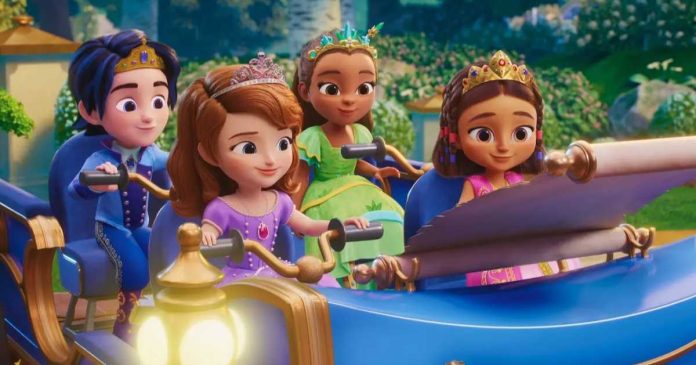
The new series follows Sofia as she enrolls at the Charmswell School for Royal Magic, where she learns to harness newly discovered magical powers alongside a brand-new group of friends. While the original series centered on Sofia adjusting to life as a princess after her mother married King Roland, Royal Magic shifts the focus toward magical adventures, friendship dynamics, and bigger fantasy storytelling.
Still, the heart of the show remains exactly where longtime fans remember it.
Craig Gerber, creator and executive producer of both the original series and the sequel says Sofia’s staying power comes down to the kind of character she is. She’s brave without trying too hard, kind without being perfect and optimistic even when she gets things wrong.
That relatability helped the show resonate far beyond its target preschool audience.
And honestly, Disney seems fully aware that they’re reviving more than just a kids’ cartoon.
Why Sofia the First Never Really Went Away
The numbers alone explain why the franchise never really disappeared. According to Disney, Sofia the First still holds records for some of the highest-rated cable telecasts among girls aged 2 to 5, while the show has racked up billions of hours viewed across streaming and digital platforms. Even the trailer for Royal Magic exploded online, pulling millions of views within its first day on social media. Meanwhile, the original theme song has quietly become a TikTok nostalgia staple among teens and young adults who grew up with the series.
At the center of it all is Ariel Winter, who returns as Sofia after first voicing the character at just 12 years old. And apparently, she never really stopped being Sofia.
Winter revealed that for years she’d send personalized Sofia voice memos to fans’ younger siblings and children, pretending to invite them on playdates in Enchancia. So stepping back into the recording booth for the sequel felt surprisingly natural.
That emotional attachment extends across almost the entire original cast. Sara Ramirez returns as Queen Miranda, Wayne Brady is back as Clover, Eric Stonestreet reprises Minimus, Tim Gunn returns as Baileywick, and Darcy Rose Byrnes once again voices Amber. According to Gerber, recording sessions have basically turned into mini family reunions.
But Royal Magic isn’t just relying on nostalgia. The sequel introduces a wave of new characters who feel designed to instantly become fan favorites.
Meet the New Faces of Charmswell School
There’s Layla, Zane, and Camila, Sofia’s new classmates at Charmswell, along with a lineup of eccentric teachers and magical creatures. Then there’s Pepper, Sofia’s adorable puppy-unicorn companion, otherwise known as a “puppy-corn,” who may very well steal the entire show.
Voiced by Zootopia actor Nate Torrence, Pepper brings chaotic comic energy to the series with a personality that apparently lands somewhere between lovable disaster and old-school cartoon sidekick. Gerber admitted he’d wanted to create a puppy-unicorn since the original show, and honestly, it’s hard to argue with that decision. Combining puppies and unicorns feels like something Disney Jr. scientists probably perfected in a lab.
The sequel also introduces a new villain, Zandrya, voiced by Broadway star Eden Espinosa. Unlike Sofia’s previous foes, Zandrya is less traditional fairytale villain and more theatrical magical menace. She’s loud, power-hungry, dramatic, and constantly disguising herself to manipulate situations and steal magical artifacts.
Espinosa described the role as one of the most fun characters she’s ever played, partly because every disguise requires her to perform with an entirely different voice. There’s also apparently more emotional complexity to Zandrya than viewers might initially expect, hinting that the series could give its antagonist a little more depth than the average preschool cartoon villain.
Twice the Songs, Twice the Chaos
And then there’s the music.
If the original Sofia the First soundtrack permanently embedded itself into millennials’ brains, Royal Magic seems determined to do it all over again. This time, Disney is doubling the number of songs, with every 11-minute segment featuring its own original musical number.
The creative team behind the music, including returning songwriter John Kavanaugh alongside Keith Harrison Dworkin and Matthew Tishler, says the goal was to modernize the sound without losing the spirit of the original series. The updated theme song reportedly keeps the familiar melody while adding a fresher, more contemporary vibe designed to appeal to both today’s preschool audience and the now-older fans revisiting the franchise out of nostalgia.
According to the cast, the new soundtrack experiments with a wider mix of genres too. Eden Espinosa called the songs “bops,” while Ariel Winter joked that rap may be the one musical territory Sofia hasn’t crossed into yet.
The Disney Princess Crossovers Are Bigger This Time
Another major part of the franchise’s return is Disney’s continued use of crossover princess appearances. The original series became famous for weaving iconic Disney princesses into Sofia’s adventures, and Royal Magic is taking that idea even further.
Rapunzel appears in the premiere, while Moana, Jasmine, Cinderella, Aurora, and Elena of Avalor are all set to appear throughout the first season. This time, though, the princesses won’t just pop in for one-off cameos. Gerber says the new format allows deeper storytelling opportunities and recurring appearances where it makes sense.
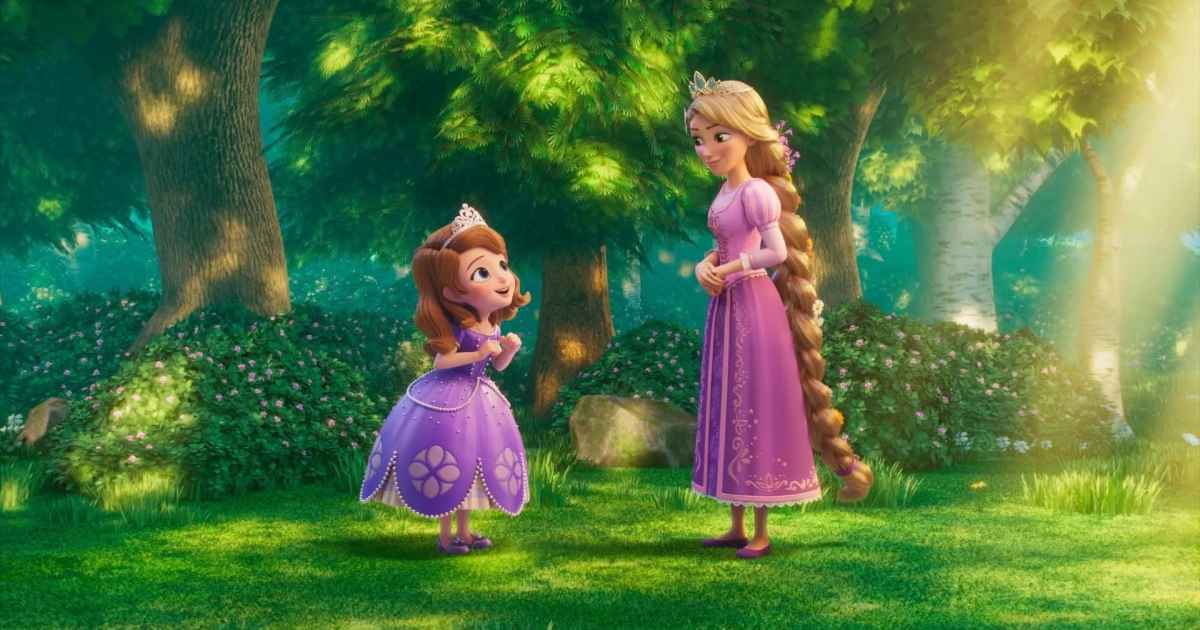
Moana’s inclusion feels especially notable considering she didn’t even exist during the original run of Sofia the First. Auliʻi Cravalho reprises her role for the series, giving Disney Jr. a chance to bridge generations of princess fandom in a way that feels surprisingly seamless.
What makes Sofia the First: Royal Magic interesting isn’t just that Disney brought the franchise back. It’s that the company seems to understand exactly why people still care about it.
The original show wasn’t simply about princess dresses and castles. It was about kindness, resilience, empathy, and figuring things out even when you’re scared or uncertain. Sofia was aspirational without feeling impossible. She made mistakes, sometimes doubted herself but she kept trying anyway.
That emotional sincerity is probably why the show still works years later.
In an era where children’s entertainment increasingly fights for attention against endless scrolling and algorithm-driven content, Royal Magic feels refreshingly earnest. It still wants to entertain preschoolers with magical schools, flying horses, and catchy songs, but it also wants parents and older siblings to sit down and enjoy it too.
And honestly? That might be the real magic trick Disney is pulling off here.
Sofia the First: Royal Magic premieres May 25 on Disney Jr., with the first eight episodes streaming on Disney+ the following day.
Stay tuned to Brandsynario for latest news and updates