
















Few brands are as instantly recognisable as 7-Eleven. With over 84,000 stores worldwide, the convenience store giant has long been a cornerstone of quick, accessible retail. But behind the Slurpees, coffee counters, and neatly stacked rice balls lies a corporate saga worth billions of dollars as the 7-Eleven takeover nears.
At the heart of this battle is Seven & i Holdings, the Japanese parent company of 7-Eleven. Once considered a symbol of Japan’s retail innovation, it is now the subject of one of the largest corporate takeover attempts in history, which could reshape convenience stores worldwide.
On one side is Alimentation Couche Tard, a Canadian giant best known for Circle K. On the other side are Japanese shareholders led by the powerful Ito family, who are determined to keep 7-Eleven in their hands.
Why 7-Eleven is More Than Just a Store
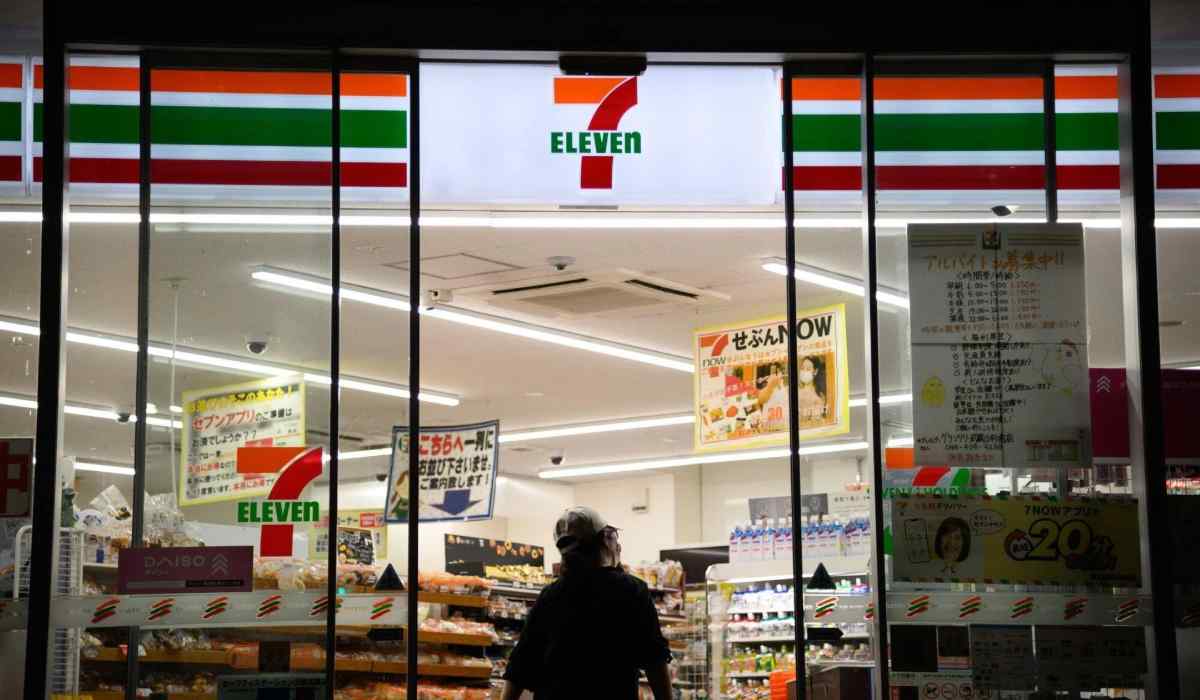
What makes this company so valuable is the way it has redefined convenience. In Japan, 7-Eleven isn’t just where you grab chips and soda. It’s where you find fresh bento, sandwiches that taste like they were made minutes ago and shelves that are stocked with incredible precision. The system behind it is a marvel of logistics and a supply chain system called “Tanpin Kanri Model.”
Trucks deliver fresh food several times a day because the system allows them to understand which store needs what more, and so customers always find something new.
In the United States and other countries, the experience is different. Stores often feel more like fuel stops or snack shops. This split personality makes 7-Eleven fascinating.
It is both a cash cow and a brand that carries untapped potential if its Japanese magic can be expanded globally.
Billions On the Table
Couche Tard has made a bid that could be worth more than 45 billion dollars. If accepted, it would be the biggest foreign acquisition of a Japanese company in history. For the Canadians, this is about building the ultimate convenience empire.
But the Ito family and other Japanese stakeholders are pushing back. They believe the brand should stay under domestic control. They are weighing options that include restructuring or buying back shares to block the deal. For them, this is about pride and keeping the business at home.
This is no good news, as Japan has never been a fan of hostile takeovers. Corporate culture there values stability and consensus. Foreign companies that try to take over household names often meet with resistance not only from boardrooms but from the public as well.
Couche Tard knows this and faces a delicate challenge. To win, it must prove it can respect the identity of Japanese 7-Eleven while still making the business more global.
Stay tuned to Brandsynario for latest news and updates

 Join a Channel
 Brandsynario
 Veryfilmi